
Colorectal cancer is one of the most common cancers worldwide, but it is also one of the most preventable and treatable when detected early. The disease often begins as small growths called polyps in the colon or rectum, which can develop into cancer over time. Unfortunately, many people do not notice symptoms until the disease has progressed.
Understanding colorectal cancer symptoms can help you recognize warning signs early and seek medical evaluation before the disease advances.
Key Points Summary
╔════════════════════════════════════════════════════════════════════╗
║ – Colorectal cancer often develops without symptoms in its earliest stages. ║
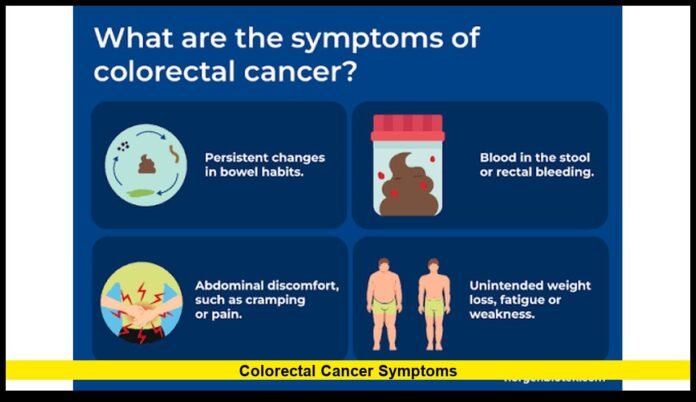
║ – Blood in the stool, persistent bowel changes, and unexplained weight loss are common warning signs. ║
║ – Screening beginning at age 45 for average-risk adults can detect cancer early or prevent it by removing precancerous polyps. ║
║ – Family history, inflammatory bowel disease, obesity, smoking, and certain lifestyle factors increase risk. ║
║ – Early diagnosis significantly improves treatment success and long-term survival. ║
╚════════════════════════════════════════════════════════════════════╝
What Is Colorectal Cancer?
Colorectal cancer is cancer that starts in the colon (large intestine) or rectum, both parts of the digestive system. Most cases begin as noncancerous polyps that slowly transform into cancer over several years.
Because early-stage colorectal cancer may not cause noticeable symptoms, routine screening is considered one of the most effective tools for reducing deaths from the disease.
Common Colorectal Cancer Symptoms
Symptoms vary depending on the location and stage of the cancer. Some people experience only one symptom, while others develop several.
Blood in the Stool
One of the most common warning signs is blood during bowel movements.
Blood may appear as:
- Bright red blood on toilet paper
- Dark red blood mixed with stool
- Black or tar-like stools caused by older blood
Even occasional rectal bleeding should never be ignored, especially if it occurs repeatedly.
Persistent Changes in Bowel Habits
Changes lasting longer than a few weeks may indicate a problem.
These changes include:
- Persistent diarrhea
- Ongoing constipation
- Alternating diarrhea and constipation
- Narrow or pencil-thin stools
- Feeling that the bowel does not empty completely
Although these symptoms may have noncancerous causes, persistent changes require medical evaluation.
Abdominal Pain and Cramping
Some patients experience:
- Frequent stomach cramps
- Gas pains
- Bloating
- Lower abdominal discomfort
- Pressure in the rectum
Pain often becomes more noticeable as the tumor grows.
Unexplained Weight Loss
Losing weight without dieting or increased exercise can be a warning sign.
Cancer may affect metabolism, reduce appetite, or interfere with digestion, leading to gradual but noticeable weight loss.
Fatigue and Weakness
Ongoing tiredness is another common symptom.
Slow bleeding from a colorectal tumor may lead to iron-deficiency anemia, causing:
- Fatigue
- Weakness
- Shortness of breath
- Dizziness
- Pale skin
Feeling That the Bowel Doesn’t Empty Completely
Some people continue feeling the need for another bowel movement even after using the bathroom.
This sensation can occur when a tumor partially blocks the rectum.
Loss of Appetite
A persistent reduction in appetite may occur alongside:
- Feeling full quickly
- Nausea
- General digestive discomfort
While appetite loss alone does not confirm cancer, it should be evaluated when combined with other symptoms.
Symptoms of Advanced Colorectal Cancer
As colorectal cancer progresses, symptoms may become more severe.
Advanced disease can cause:
- Severe abdominal pain
- Intestinal blockage
- Significant weight loss
- Persistent vomiting
- Enlarged liver
- Jaundice if cancer spreads to the liver
- Bone pain if cancer spreads to bones
- Chronic cough or breathing problems if it spreads to the lungs
Risk Factors
Several factors increase the risk of colorectal cancer.
These include:
- Age 45 or older
- Personal history of colorectal polyps
- Family history of colorectal cancer
- Certain inherited genetic conditions
- Inflammatory bowel diseases such as Crohn’s disease and ulcerative colitis
- Type 2 diabetes
- Obesity
- Smoking
- Heavy alcohol use
- Diets high in processed or red meat
- Physical inactivity
Having one or more risk factors does not mean someone will develop cancer, but screening becomes especially important.
When Should You See a Doctor?
Seek medical evaluation if you experience:
- Blood in your stool
- Persistent bowel habit changes lasting more than two weeks
- Unexplained abdominal pain
- Ongoing fatigue
- Iron-deficiency anemia
- Unexplained weight loss
- Persistent rectal bleeding
Do not assume symptoms are caused only by hemorrhoids or irritable bowel syndrome without medical assessment.
How Colorectal Cancer Is Diagnosed
Doctors may recommend several tests based on symptoms and medical history.
Common diagnostic methods include:
- Colonoscopy
- Stool-based screening tests
- Blood tests
- CT scan
- MRI
- Biopsy
A colonoscopy remains the most effective test because it allows physicians to identify and remove precancerous polyps during the same procedure.
Screening Recommendations
Many health organizations recommend that adults at average risk begin routine colorectal cancer screening at age 45.
People with higher risk may need screening earlier if they have:
- Strong family history
- Genetic syndromes
- Previous polyps
- Inflammatory bowel disease
Your healthcare provider can recommend the appropriate screening schedule.
Treatment Options
Treatment depends on the stage of cancer.
Options may include:
- Surgery
- Chemotherapy
- Radiation therapy
- Targeted therapy
- Immunotherapy
When detected early, surgery alone may successfully remove localized cancer.
Can Colorectal Cancer Be Prevented?
Although not every case is preventable, healthy lifestyle habits can reduce risk.
Helpful preventive measures include:
- Get screened as recommended
- Eat more fruits, vegetables, and whole grains
- Limit processed and red meat
- Exercise regularly
- Maintain a healthy weight
- Avoid smoking
- Limit alcohol consumption
- Discuss family history with your healthcare provider
Frequently Asked Questions
What is usually the first symptom of colorectal cancer?
Blood in the stool, persistent bowel changes, or unexplained fatigue are among the earliest symptoms. However, many early cases produce no symptoms at all.
Can hemorrhoids cause similar symptoms?
Yes. Hemorrhoids can cause rectal bleeding, but recurring bleeding should always be evaluated because colorectal cancer can produce similar symptoms.
Does colorectal cancer always cause pain?
No. Early colorectal cancer often develops without pain. Pain typically becomes more noticeable as the disease progresses.
Is colorectal cancer curable?
When detected early and treated promptly, colorectal cancer is often highly treatable, with significantly better survival rates than cancers diagnosed at later stages.
Final Thoughts
Knowing the colorectal cancer symptoms can make a critical difference because early detection greatly improves treatment outcomes. Persistent bleeding, changes in bowel habits, unexplained fatigue, or weight loss should never be ignored. Routine screening, healthy lifestyle choices, and prompt medical evaluation remain the best defenses against this common but often preventable cancer.
Have questions about colorectal cancer symptoms or screening? Share your thoughts in the comments and stay updated for more reliable health information and prevention tips.