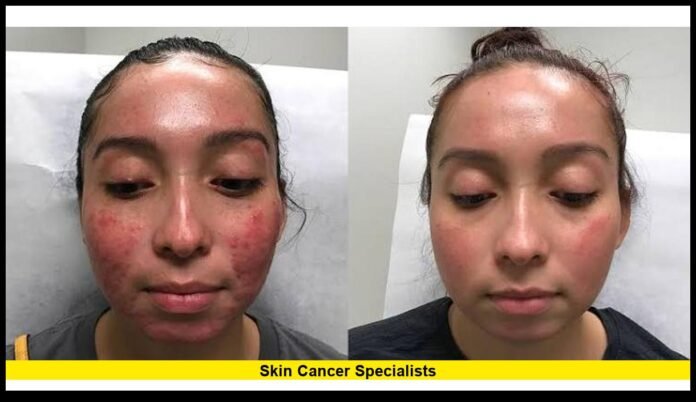

Skin cancer is the most common form of cancer worldwide, and early detection remains one of the most effective ways to improve treatment outcomes. Finding experienced skin cancer specialists can make a significant difference in diagnosing suspicious skin changes, determining the correct treatment plan, and reducing the risk of recurrence.
Whether you have noticed a changing mole, received a skin cancer diagnosis, or simply want a preventive skin examination, this guide explains what skin cancer specialists do, when to see one, and the latest treatment options available in 2026.
╔════════════════════════════════════════════════════════════════════╗
║ Key Points Summary ║
║ – Skin cancer specialists diagnose, treat, and monitor all major skin cancers. ║
║ – Dermatologists remain the first choice for routine skin cancer screening. ║
║ – Mohs surgeons provide highly effective treatment for many facial and high-risk skin cancers. ║
║ – Modern care includes surgery, immunotherapy, targeted therapy, and radiation when needed. ║
║ – Early diagnosis greatly improves survival rates and often reduces the need for extensive treatment. ║
╚════════════════════════════════════════════════════════════════════╝
Who Are Skin Cancer Specialists?
Skin cancer specialists are healthcare professionals trained to diagnose and treat cancers affecting the skin. Depending on the stage and type of cancer, patients may receive care from multiple specialists working together.
These specialists commonly include:
- Board-certified dermatologists
- Dermatologic surgeons
- Mohs surgeons
- Surgical oncologists
- Medical oncologists
- Radiation oncologists
- Plastic and reconstructive surgeons
- Pathologists specializing in skin diseases
For most patients, care begins with a dermatologist, who evaluates suspicious skin lesions and performs biopsies when necessary.
What Types of Skin Cancer Do Specialists Treat?
Skin cancer specialists diagnose and manage several forms of skin cancer, including:
Basal Cell Carcinoma (BCC)
Basal cell carcinoma is the most common type of skin cancer. It usually grows slowly and rarely spreads, but early treatment helps prevent tissue damage.
Squamous Cell Carcinoma (SCC)
Squamous cell carcinoma can grow more aggressively than basal cell carcinoma and may spread if left untreated.
Melanoma
Melanoma is the most dangerous type of skin cancer. Although less common, it can spread rapidly to other organs if not detected early.
Rare Skin Cancers
Specialists also treat uncommon cancers such as:
- Merkel cell carcinoma
- Dermatofibrosarcoma protuberans (DFSP)
- Cutaneous lymphoma
- Sebaceous carcinoma
- Rare soft tissue tumors affecting the skin
When Should You See a Skin Cancer Specialist?
Schedule an appointment if you notice:
- A mole changing in size, color, or shape
- A sore that does not heal
- Bleeding skin lesions
- Persistent itching or tenderness
- New growths appearing quickly
- Dark streaks under fingernails or toenails
- Rough or scaly patches that continue growing
The widely recommended ABCDE rule helps identify possible melanoma:
- A – Asymmetry
- B – Border irregularity
- C – Color variation
- D – Diameter larger than about 6 mm
- E – Evolving or changing over time
Any rapidly changing skin lesion deserves prompt medical evaluation.
How Skin Cancer Specialists Diagnose Skin Cancer
Modern diagnosis typically includes several steps.
Complete Skin Examination
The physician carefully inspects the entire skin surface, not just the area of concern.
Dermoscopy
A handheld dermatoscope provides magnified visualization of skin structures invisible to the naked eye.
Skin Biopsy
If cancer is suspected, a small tissue sample is removed and analyzed by a pathologist.
Advanced Imaging
For advanced melanoma or high-risk cancers, imaging studies may include:
- CT scans
- MRI
- PET scans
- Ultrasound of lymph nodes
These tests help determine whether cancer has spread.
Latest Skin Cancer Treatments in 2026
Treatment depends on cancer type, location, stage, and overall patient health.
Mohs Micrographic Surgery
Mohs surgery remains the gold standard for many facial basal cell and squamous cell cancers.
Benefits include:
- Highest cure rates
- Maximum preservation of healthy skin
- Immediate microscopic examination of removed tissue
- Lower recurrence rates
Standard Surgical Removal
Many early skin cancers can be cured with straightforward surgical excision.
Cryotherapy
Very early precancerous lesions and selected superficial cancers may be treated using liquid nitrogen.
Topical Medications
Some superficial skin cancers respond well to prescription creams designed to destroy abnormal cells or stimulate the immune response.
Radiation Therapy
Radiation may be recommended when surgery is not appropriate or after surgery for selected high-risk cancers.
Immunotherapy
Immunotherapy has transformed the treatment of advanced melanoma and certain other skin cancers.
Modern immune checkpoint inhibitors help the body’s immune system recognize and destroy cancer cells more effectively.
Targeted Therapy
Patients whose melanoma carries specific genetic mutations may benefit from targeted medications that block abnormal cancer growth pathways.
Advances in Skin Cancer Care
Skin cancer treatment continues to improve through advances in:
- Artificial intelligence-assisted skin lesion analysis
- Digital mole mapping
- High-resolution imaging technologies
- Personalized genomic testing
- Precision immunotherapy
- Improved reconstructive surgical techniques
- Multidisciplinary cancer care
These innovations support earlier diagnosis and more individualized treatment planning.
Who Is at Higher Risk?
Risk factors include:
- Fair skin
- Excessive ultraviolet (UV) exposure
- Frequent sunburns
- Indoor tanning
- Family history of melanoma
- Personal history of skin cancer
- Weakened immune system
- Large numbers of moles
- Increasing age
However, skin cancer can develop in people of every skin tone.
How to Find the Best Skin Cancer Specialists
When choosing a specialist, consider:
- Board certification
- Experience treating your specific cancer type
- Fellowship training in Mohs surgery (if applicable)
- Access to multidisciplinary cancer care
- Availability of clinical trials
- Positive patient outcomes
- Clear communication and follow-up care
For melanoma and advanced skin cancers, comprehensive cancer centers often provide coordinated care involving multiple experts.
Preventing Skin Cancer
Although not every case is preventable, you can lower your risk by:
- Wearing broad-spectrum sunscreen (SPF 30 or higher)
- Seeking shade during peak sunlight hours
- Wearing protective clothing and wide-brimmed hats
- Avoiding indoor tanning beds
- Performing monthly skin self-examinations
- Scheduling regular professional skin examinations if you are at increased risk
Frequently Asked Questions
What doctor should I see for skin cancer?
A board-certified dermatologist is usually the first specialist to evaluate suspicious skin lesions. Depending on the diagnosis, additional specialists may become involved.
Is Mohs surgery better than regular surgery?
Mohs surgery offers the highest cure rates for many basal cell and squamous cell cancers, especially on the face and other cosmetically sensitive areas.
Can melanoma be cured?
Yes. Melanoma detected early is often highly curable with surgery. Advanced melanoma is increasingly treatable thanks to immunotherapy and targeted therapies.
How often should I get a skin examination?
People with average risk should discuss screening recommendations with their healthcare provider. Individuals with previous skin cancer or multiple risk factors may need annual or more frequent examinations.
Final Thoughts
Skin cancer specialists play a critical role in preventing, detecting, and treating one of the world’s most common cancers. Advances in dermatology, Mohs surgery, immunotherapy, and precision medicine have significantly improved outcomes, particularly when cancer is diagnosed early. If you notice any suspicious skin changes, seeking prompt evaluation from an experienced specialist remains the best step toward effective treatment and long-term skin health.
Have questions about skin cancer specialists or skin cancer prevention? Share your thoughts in the comments and stay updated for more expert health guides and the latest medical advances.