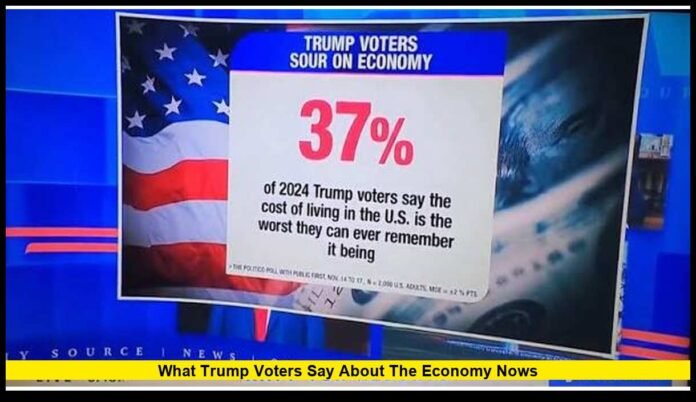

The question of what trump voters say about the economy now has become one of the defining political topics of 2026. As President Donald Trump continues his second term, many Americans who helped return him to the White House are evaluating whether the economic improvements they expected have materialized. Their opinions are far from unanimous. While many supporters remain optimistic about the administration’s long-term direction, others are voicing concerns over the continued pressure of higher prices, housing affordability, and the rising cost of everyday necessities. Together, these perspectives reveal a more nuanced picture than simple approval or disapproval.
Key Points Summary
╔════════════════════════════════════════════════════════════════════╗
║ – Trump supporters remain divided over current economic conditions. ║
║ – Inflation and everyday living expenses continue to dominate voter concerns. ║
║ – Many Republicans believe long-term policies need additional time to deliver results. ║
║ – Strong employment and investment are viewed positively by many supporters. ║
║ – Household affordability remains the biggest challenge influencing public opinion. ║
╚════════════════════════════════════════════════════════════════════╝
The Economy Continues to Drive Political Opinion
Economic issues have consistently ranked above nearly every other concern for American voters over the past several years. Regardless of political affiliation, most people judge economic success not by headlines or government reports but by what they experience every week when paying bills, shopping for groceries, filling their gas tanks, or making mortgage and rent payments.
That reality has shaped public attitudes throughout 2026. While national economic indicators have presented a mixed picture, many households continue to feel financial strain. This disconnect has become one of the biggest factors influencing how voters evaluate the administration.
For many Trump supporters, the economy remains the standard by which the presidency will ultimately be judged.
Why Many Trump Supporters Remain Optimistic
Despite ongoing challenges, a significant portion of Trump’s voter base continues to express confidence in his economic agenda. Their optimism often stems from the belief that structural policy changes take time before producing noticeable benefits for consumers.
Supporters frequently point to several priorities they believe will strengthen the economy over the long run.
Domestic Manufacturing
Many voters support efforts aimed at expanding American manufacturing and reducing dependence on overseas production. They believe stronger domestic industries can create better-paying jobs while improving national economic security.
Manufacturing has long been a central component of Trump’s economic messaging, and many supporters continue to view investment in American factories as a positive long-term strategy.
Energy Production
Energy remains another major issue among Republican voters.
Many believe increasing domestic oil and natural gas production can stabilize energy prices, strengthen national independence, and reduce inflationary pressure across the broader economy.
Lower energy costs are viewed as potentially benefiting transportation, manufacturing, agriculture, and consumer prices.
Tax and Regulatory Policies
Business owners and conservative voters often argue that lower taxes and reduced regulation encourage investment and hiring.
Many supporters believe businesses are more willing to expand when compliance costs decline, leading to greater economic growth over time.
Although opinions differ on the measurable impact of these policies, they remain central to the administration’s economic philosophy.
Everyday Costs Continue to Frustrate Many Families
While supporters often endorse the administration’s long-term goals, everyday financial pressures remain impossible to ignore.
The biggest complaints involve routine expenses that directly affect household budgets.
Among the most frequently mentioned concerns are:
- Grocery prices
- Housing costs
- Auto insurance
- Health insurance
- Utility bills
- Childcare expenses
- Restaurant prices
- Home maintenance
- Property taxes
For many families, wages have increased more slowly than the overall rise in living expenses. Even households with stable employment often report feeling less financially comfortable than they expected.
These experiences help explain why opinions remain divided even among voters who continue supporting the president politically.
Inflation Remains the Central Economic Concern
Inflation continues to shape nearly every discussion about the economy.
Although the pace of price increases has moderated compared with earlier years, many goods and services remain substantially more expensive than they were only a few years ago.
Consumers frequently note that while inflation may be slowing, prices themselves have not returned to previous levels.
That distinction is important.
When inflation declines, prices generally continue rising—but at a slower pace. For many households, that means monthly expenses remain elevated even as broader economic conditions improve.
This reality affects public perception more than abstract economic data.
Strong Employment Does Not Always Translate Into Optimism
One notable feature of today’s economy is that employment has remained relatively resilient.
Many Americans continue to find work, and businesses in numerous industries still report difficulty filling open positions.
However, employment alone does not determine financial confidence.
Workers often say that having a job is no longer enough if housing, transportation, groceries, insurance, and healthcare continue becoming more expensive.
As a result, voters may acknowledge positive employment conditions while simultaneously expressing dissatisfaction with their overall financial situation.
Housing Affordability Is Becoming a Larger Issue
Housing has emerged as one of the most important economic challenges facing American families.
Higher mortgage rates, elevated home prices, and limited housing inventory have made homeownership increasingly difficult for many first-time buyers.
Renters have also experienced rising monthly payments in numerous metropolitan areas.
Younger voters who supported Trump often mention housing affordability as one of their biggest concerns because it directly affects long-term financial stability.
Even existing homeowners face increased costs through insurance premiums, maintenance expenses, and property taxes.
Housing has therefore become an increasingly important part of conversations about economic performance.
Consumer Confidence Depends on Personal Experience
Economic statistics can provide valuable insight into national trends, but most voters evaluate the economy through personal experience.
Questions people commonly ask themselves include:
- Can I comfortably pay my bills?
- Have groceries become more affordable?
- Am I saving money each month?
- Can I afford a vacation?
- Are my wages keeping pace with expenses?
- Is it easier to purchase a home?
- Have utility bills become more manageable?
These practical questions often shape opinions more than official economic reports.
When families continue feeling financial pressure, public confidence may remain weak even if broader economic indicators improve.
Small Business Owners Have Mixed Perspectives
Small businesses continue facing both opportunities and challenges.
Some owners report steady customer demand, expanding sales, and improving investment confidence.
Others remain concerned about labor costs, insurance premiums, borrowing expenses, and supply costs.
Businesses that rely heavily on discretionary consumer spending are especially sensitive to changes in household budgets.
Restaurant operators, retailers, contractors, and service providers frequently report that consumers have become more cautious with spending.
That cautious behavior reflects broader concerns about affordability rather than employment alone.
Rural and Urban Experiences Often Differ
Economic opinions also vary by geography.
Many rural communities place significant importance on agriculture, manufacturing, mining, and energy production.
Urban voters may focus more heavily on housing affordability, transportation expenses, and professional employment opportunities.
Because economic priorities differ by region, voter opinions can vary considerably even among people who supported the same candidate.
This regional variation helps explain why national polling often captures a wide range of economic attitudes.
Younger Trump Voters Face Different Financial Pressures
Younger Republican voters frequently approach economic issues differently than older generations.
Many are attempting to purchase their first homes while managing student loans, childcare expenses, and higher insurance costs.
Their priorities often include:
- Affordable housing
- Career advancement
- Wage growth
- Lower consumer prices
- Easier access to homeownership
Older voters, meanwhile, may focus more on retirement savings, investment performance, Social Security, healthcare expenses, and protecting accumulated wealth.
These different financial realities contribute to varying opinions within the broader Republican coalition.
What Trump Voters Say About the Economy Now Reflects Both Confidence and Concern
A closer look at what trump voters say about the economy now shows that their views are neither overwhelmingly positive nor entirely negative.
Many continue supporting the administration’s broader economic vision while acknowledging that household budgets remain under pressure.
Some believe policy changes require additional time before their effects become fully visible.
Others argue that faster improvements in affordability are necessary before they will view the economy more favorably.
Rather than reflecting a single viewpoint, current opinions represent a balance between long-term optimism and short-term financial frustration.
Looking Ahead
The months ahead are likely to determine whether public attitudes become more positive or more skeptical.
Several developments could significantly influence voter opinion, including:
- Future inflation trends
- Interest rate movements
- Housing affordability
- Energy prices
- Wage growth
- Consumer spending
- Business investment
- Manufacturing activity
If families begin experiencing meaningful relief from higher living costs, confidence in the economy could strengthen considerably.
Conversely, if household expenses continue rising faster than incomes, frustration may remain a dominant political issue regardless of other economic indicators.
Conclusion
Public opinion surrounding the economy continues to evolve as Americans weigh optimism against everyday financial realities. Many Trump voters remain committed to the administration’s broader economic agenda, believing policies focused on manufacturing, energy production, and business growth can strengthen the country over time. At the same time, persistent concerns about inflation, housing affordability, insurance costs, and the overall cost of living continue to shape how these voters assess economic progress.
Ultimately, the economy is measured most directly at the kitchen table rather than through statistics alone. Until more households experience noticeable improvements in their personal finances, economic debates are likely to remain at the center of American politics throughout 2026.