
The copa mundial de la fifa 2026 has already established itself as one of the most significant sporting events in history. Hosted jointly by the United States, Mexico, and Canada, the tournament has transformed the international soccer landscape through its record-setting size, expanded competition format, and unprecedented reach across North America.
Running from June 11 through July 19, 2026, this World Cup features 48 national teams and 104 matches, making it the largest edition since the tournament began in 1930. Millions of fans have traveled across the continent to watch their countries compete, while hundreds of millions more continue to follow every result, standout performance, and memorable moment.
For American soccer supporters, the tournament represents a landmark occasion. The United States serves as the primary host nation, staging the majority of matches and welcoming fans from every corner of the globe. Stadiums in major metropolitan areas have become international gathering places as soccer takes center stage throughout the summer.
A New Era for the FIFA World Cup
The 2026 tournament marks a turning point in FIFA World Cup history. Previous editions featured 32 teams, but FIFA increased the field to 48 nations, creating more opportunities for countries to qualify and compete on the world stage.
The expanded competition has reshaped the structure of the tournament. Instead of the previous format, teams now compete in 12 groups of four nations each. Every team plays three group-stage matches before the knockout rounds begin.
The top two teams from each group automatically advance. In addition, the eight best third-place teams earn places in the knockout stage, creating a new Round of 32 before the traditional Round of 16.
This change has increased both the number of matches and the level of global representation. More countries from Africa, Asia, North America, and Oceania have earned opportunities to participate, bringing fresh energy and new storylines to the competition.
Three Countries Share Hosting Duties
Never before has a FIFA World Cup been hosted by three countries at the same time. The United States, Mexico, and Canada have combined their resources, stadiums, transportation networks, and soccer cultures to stage the tournament.
The United States hosts the majority of the matches and several of the competition’s most important knockout-round contests. Mexico hosts key fixtures and opened the tournament before enthusiastic home crowds. Canada has welcomed fans in major cities while showcasing the country’s growing soccer infrastructure.
The collaboration between the three nations has created a truly continental event. Supporters can travel between countries and experience different cultures while following their national teams.
The shared-hosting model has also highlighted the strong connections between the three countries and demonstrated North America’s ability to organize one of the world’s largest sporting events.
Host Cities Become Global Destinations
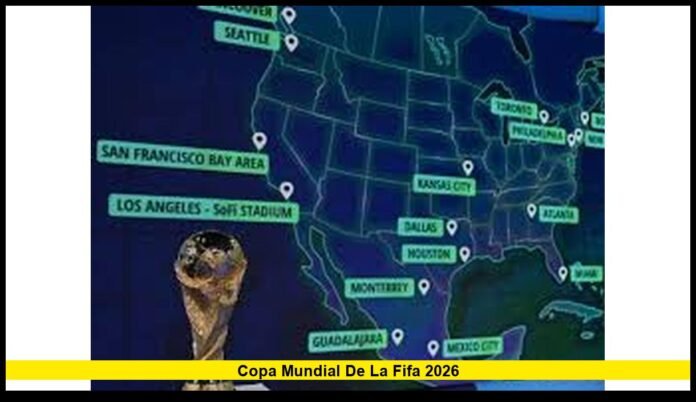
Sixteen host cities were selected across North America, turning the continent into the center of the soccer world.
American host cities include:
- Atlanta
- Boston
- Dallas
- Houston
- Kansas City
- Los Angeles
- Miami
- New York/New Jersey
- Philadelphia
- San Francisco Bay Area
- Seattle
Canada hosts matches in Toronto and Vancouver, while Mexico welcomes fans in Mexico City, Guadalajara, and Monterrey.
Each host city has experienced a major influx of international visitors. Hotels, restaurants, entertainment venues, and local businesses have benefited from the arrival of fans traveling from around the world.
Large fan festivals, public viewing areas, and cultural events have added to the excitement. Many cities have embraced the tournament by decorating public spaces and organizing community celebrations.
The United States Takes Center Stage
The United States occupies a unique position during the tournament. As the primary host nation, it welcomes the largest share of visiting supporters and hosts the final match.
American soccer has grown significantly over the past several decades. Youth participation remains strong, professional leagues continue to expand, and international competitions increasingly draw large audiences.
The World Cup provides another opportunity for the sport to grow. Packed stadiums, widespread television coverage, and extensive social media engagement have helped introduce new audiences to the excitement of international soccer.
Many fans view the tournament as a defining moment for the future of the sport in the United States.
MetLife Stadium Set for Historic Final
One of the biggest moments of the tournament will occur on July 19 when the championship match takes place at MetLife Stadium in New Jersey.
The venue has hosted numerous major sporting events over the years, but the World Cup final will stand among the most important.
The stadium is expected to welcome tens of thousands of supporters, while hundreds of millions of viewers around the world watch the match.
Winning a World Cup remains the ultimate achievement in international soccer, and the final will determine which nation lifts the sport’s most prestigious trophy.
Mexico Adds Another Chapter to World Cup History
Mexico has long been associated with World Cup tradition, and the 2026 tournament has strengthened that legacy.
The country became the first nation to host World Cup matches in three separate editions. Mexican supporters once again demonstrated why they rank among the most passionate soccer fans anywhere in the world.
Stadiums in Mexico City, Guadalajara, and Monterrey have produced vibrant atmospheres filled with color, energy, and excitement.
Mexico’s national team entered the tournament with high expectations and continues to attract significant attention throughout the competition.
The combination of rich soccer history and enthusiastic support has made Mexico one of the tournament’s focal points.
Canada Continues Its Soccer Rise
Canada’s role as a co-host reflects the country’s increasing influence in international soccer.
In recent years, Canadian soccer has experienced remarkable growth. Investments in player development, coaching, and professional competition have strengthened the sport nationwide.
Toronto and Vancouver have successfully hosted matches while introducing international visitors to Canada’s soccer culture.
Canadian fans have responded enthusiastically, filling stadiums and creating memorable atmospheres throughout the competition.
The tournament offers Canada another opportunity to showcase its progress on the global stage.
New Nations Make Their World Cup Debuts
One of the most exciting aspects of the expanded tournament has been the arrival of countries making their first FIFA World Cup appearances.
Several nations reached the finals for the first time after impressive qualification campaigns.
Their participation demonstrates how soccer continues to grow across the globe. Smaller nations now have greater opportunities to compete against established powers and gain valuable experience at the highest level.
For players from these countries, reaching the World Cup represents the realization of lifelong dreams.
Many debuting teams have shown impressive determination and organization, proving they belong on soccer’s biggest stage.
The Group Stage Creates Early Drama
Every World Cup begins with intense competition during the group stage, and the 2026 edition has been no exception.
Teams understand that every point matters. A single goal can determine whether a nation advances or faces elimination.
The expanded format has increased the importance of goal difference and overall performance. Because third-place teams can qualify for the knockout rounds, nations remain in contention longer than in some previous tournaments.
As a result, fans have witnessed dramatic finishes, crucial late goals, and intense battles for qualification positions.
The new system has kept more teams alive deep into group-stage play, increasing excitement across the tournament.
Traditional Powers Aim for Glory
The world’s most successful soccer nations entered the tournament among the favorites.
Countries such as Brazil, Argentina, France, Germany, England, Spain, and the Netherlands continue to attract enormous attention from supporters and analysts.
These teams possess experienced players, strong coaching staffs, and deep tournament experience.
World Cup history shows that traditional powers often perform well under pressure, but every tournament also produces surprises.
The larger field has created additional opportunities for emerging nations to challenge established contenders.
That unpredictability remains one of the defining qualities of international soccer.
Fans Create an Unforgettable Atmosphere
Supporters play a crucial role in every FIFA World Cup.
Across North America, fans have transformed stadiums into colorful celebrations of national pride. Flags, songs, chants, and team colors have become common sights throughout host cities.
International visitors have brought unique traditions and cultures, creating a festival atmosphere wherever matches take place.
Many fans travel thousands of miles to support their teams. Others gather in public viewing areas and fan zones to watch games together.
The shared experience of the World Cup continues to unite people from different backgrounds through a common love of soccer.
Economic Impact Reaches Across North America
The tournament’s influence extends beyond the field.
Host cities have reported increased tourism activity as visitors arrive for matches and related events. Restaurants, hotels, transportation services, and local attractions have welcomed large numbers of guests.
The event also generates substantial media attention, helping showcase destinations across the United States, Mexico, and Canada.
Infrastructure improvements completed before the tournament continue to benefit local communities.
Many officials view the World Cup as both a sporting celebration and an economic opportunity.
Technology Plays a Major Role
Modern technology has become an essential part of international soccer.
Video review systems help officials make critical decisions. Advanced data analysis assists coaches in evaluating performances and preparing tactical strategies.
Broadcasters provide viewers with enhanced statistics, player tracking information, and multiple camera angles.
Fans can follow matches through television broadcasts, mobile applications, social media platforms, and streaming services.
Technology has made the World Cup more accessible than ever before.
Player Welfare Remains Important
The demanding schedule and summer conditions across parts of North America have increased attention on player health and safety.
Teams carefully manage recovery, hydration, nutrition, and training workloads.
Tournament organizers have implemented measures designed to protect players during challenging weather conditions.
Coaches and medical staffs continue to monitor athletes closely as the competition progresses.
Maintaining peak physical condition becomes increasingly important as teams advance through the knockout rounds.
A Tournament Built for Global Audiences
The World Cup remains the most watched sporting event on the planet.
The 2026 edition has expanded that reach through additional participating countries and a larger number of matches.
More nations now have direct representation, creating greater interest among fans worldwide.
Television audiences span every continent, while digital platforms provide real-time updates and highlights around the clock.
The tournament’s global appeal continues to grow with each edition.
What Comes Next
As the competition progresses, attention will shift toward the knockout rounds.
Every match becomes a win-or-go-home scenario. Teams must balance attacking ambition with defensive discipline. One mistake can end a nation’s World Cup dream.
The Round of 32 introduces an entirely new layer of drama. From there, the field narrows through the Round of 16, quarterfinals, semifinals, and ultimately the final.
Players, coaches, and supporters understand the stakes.
The road to the championship remains challenging, but every team still alive believes it can make history.
For soccer fans across the United States and around the world, the copa mundial de la fifa 2026 continues to deliver unforgettable moments, historic achievements, and world-class competition. As the tournament moves closer to its decisive stages, excitement continues to build across North America and throughout the global soccer community.
Which team do you think will lift the trophy? Share your thoughts and keep following the tournament as the biggest World Cup in history continues to unfold.