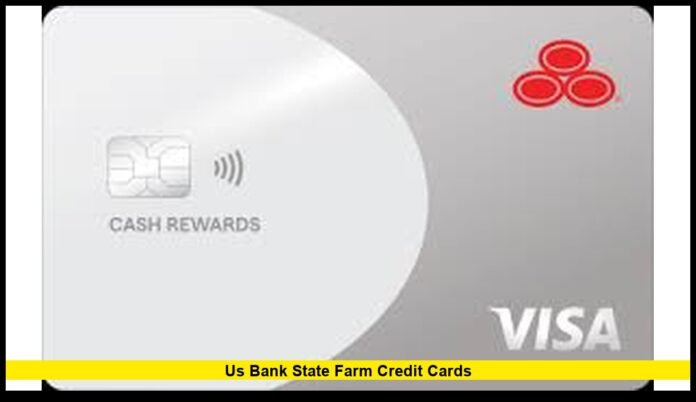

As Americans continue searching for practical ways to maximize rewards on recurring expenses, the us bank state farm credit card portfolio is drawing growing interest among consumers who want cash-back opportunities tied to insurance payments, household purchases, and routine spending. The partnership between State Farm and U.S. Bank has created a distinctive lineup of credit card products that focuses on categories many consumers use every month, helping cardholders earn rewards without changing their spending habits.
The current card offerings are designed to appeal to a wide range of users, including families, business owners, everyday spenders, and individuals seeking to build credit. Unlike many rewards programs that emphasize airline miles or luxury travel perks, these cards place a stronger focus on practical financial benefits that align with common household expenses.
As consumers compare financial products in 2026, the State Farm-U.S. Bank partnership remains one of the more unique collaborations in the banking and insurance industries.
A Partnership Built Around Everyday Financial Needs
The relationship between State Farm and U.S. Bank extends beyond traditional insurance services. The collaboration allows customers to access banking and credit products through a familiar brand while benefiting from the resources and infrastructure of one of America’s largest banking institutions.
This approach reflects a broader trend within the financial services sector. Consumers increasingly prefer integrated solutions that bring multiple financial products together under trusted brands. Rather than managing separate relationships for insurance, banking, and credit cards, many customers appreciate the convenience of having those services connected.
The credit card lineup serves as one of the most visible examples of this strategy, offering products tailored to different spending habits and financial goals.
Why Insurance-Related Rewards Stand Out
One of the biggest factors separating these cards from many competitors is their treatment of insurance expenses.
Most rewards credit cards focus on categories such as travel, dining, entertainment, or online shopping. Insurance premiums often receive little attention despite representing a significant recurring expense for millions of households.
Auto insurance, homeowners insurance, renters insurance, life insurance, and other coverage types can cost consumers thousands of dollars annually. The ability to earn rewards on eligible insurance payments provides an opportunity that many cardholders may not find elsewhere.
This feature has become particularly attractive as consumers continue seeking ways to offset rising household expenses. Rather than earning rewards only on discretionary purchases, cardholders can potentially benefit from payments they already make every month.
The Premier Cash Rewards Option Continues to Lead the Lineup
Among the available products, the Premier Cash Rewards Visa Signature Card remains the flagship consumer offering.
The card is structured around earning rewards on common spending categories while maintaining a simple cash-back approach that many consumers prefer over more complicated rewards systems.
Several factors contribute to its popularity:
- Rewards on eligible insurance premium payments
- Cash back on grocery purchases
- Rewards on dining expenses
- Earnings on fuel purchases and qualifying transportation spending
- No annual fee
- Welcome offer opportunities for eligible applicants
Consumers often gravitate toward straightforward rewards programs. Rather than tracking rotating categories or navigating complex redemption systems, many cardholders appreciate knowing exactly where they can earn rewards throughout the year.
The Premier Cash Rewards card is designed with that simplicity in mind.
No Annual Fee Remains an Important Advantage
Annual fees have become increasingly common throughout the credit card industry.
Premium rewards cards frequently charge fees ranging from modest yearly amounts to several hundred dollars. While those products may offer substantial benefits, many consumers prefer avoiding recurring charges altogether.
State Farm-branded credit cards continue to emphasize no annual fee structures across several products.
For budget-conscious households, eliminating annual fees can make rewards easier to realize. Every dollar earned through cash back remains available to the cardholder rather than offsetting a yearly account cost.
This approach also lowers the commitment required for new applicants considering the card for the first time.
Business Owners Have Dedicated Options
Small-business owners face a different set of spending patterns than individual consumers.
Operational expenses often include office supplies, software subscriptions, fuel purchases, dining with clients, and insurance costs. Recognizing those needs, the partnership includes a business-focused rewards card designed specifically for entrepreneurs and small companies.
Business owners frequently seek financial tools that help maximize returns on routine expenditures. Since insurance costs can represent a substantial business expense, rewards opportunities tied to those payments may create additional value throughout the year.
The business card also offers the convenience of separating personal and professional expenses, helping simplify recordkeeping and expense tracking.
As small businesses continue adapting to changing economic conditions, access to practical rewards programs remains an appealing benefit.
A Financing Option for Consumers Focused on Interest Savings
Not every credit card user prioritizes rewards.
Some consumers place greater importance on financing flexibility, particularly when planning major purchases or consolidating balances.
For these users, the State Farm Good Neighbor Visa Card serves a different purpose within the lineup.
Rather than emphasizing cash-back earnings, the card focuses on promotional financing opportunities and introductory interest-rate offers for eligible applicants.
This structure can be appealing to consumers seeking temporary payment flexibility while managing larger expenses.
The availability of multiple card options allows applicants to choose a product that better matches their financial priorities instead of relying on a one-size-fits-all approach.
Credit-Building Opportunities Remain Available
Building or rebuilding credit continues to be an important financial objective for many Americans.
Unexpected life events, limited credit history, or previous financial challenges can make access to traditional credit products more difficult. To address this need, the partnership includes a secured credit card option designed for consumers working to strengthen their credit profiles.
Secured credit cards generally require a refundable security deposit that serves as collateral for the account.
Responsible use over time may help users establish positive payment history and improve their overall credit standing.
The inclusion of rewards opportunities on a secured product makes the offering more competitive than many basic credit-building alternatives.
For consumers seeking a path toward stronger credit, this option provides another avenue within the State Farm credit card portfolio.
Digital Features Continue to Shape the Customer Experience
Modern credit card users expect more than rewards.
Digital convenience has become a major factor when selecting financial products.
Customers increasingly rely on mobile banking applications and online account management tools to monitor spending, make payments, and review rewards balances.
U.S. Bank’s digital infrastructure supports these expectations through features that help cardholders manage accounts efficiently.
Common digital capabilities include:
- Mobile account access
- Real-time transaction monitoring
- Fraud alerts
- Digital statements
- Account management tools
- Rewards tracking functionality
These features contribute to a smoother customer experience while providing greater visibility into spending activity.
As digital banking continues evolving, convenient account access remains a critical factor in customer satisfaction.
Consumer Spending Habits Are Influencing Rewards Programs
The credit card industry continues adapting to changing spending patterns.
Consumers now spend differently than they did just a few years ago. Online shopping has expanded significantly, digital payments have become more common, and recurring subscription expenses continue growing.
At the same time, many households are paying closer attention to value.
Rather than chasing complicated rewards structures, consumers increasingly want programs that align with real-life spending categories.
This trend helps explain the ongoing interest in cards that reward routine expenses such as groceries, fuel, dining, and insurance.
By focusing on everyday financial activity, State Farm-branded credit cards occupy a distinct position within an increasingly crowded marketplace.
Security Remains a Top Priority
Credit card security remains one of the most important concerns for consumers.
Fraud prevention technologies continue advancing as financial institutions invest heavily in protecting account holders.
Modern card security features may include:
- Fraud monitoring systems
- Suspicious transaction detection
- Account alerts
- Zero-liability protections for unauthorized purchases
- Secure digital account access
These safeguards help provide confidence when using credit cards for both online and in-person purchases.
As digital commerce continues expanding, strong security measures remain essential for maintaining customer trust.
How These Cards Compare With Broader Industry Trends
The broader rewards card market remains highly competitive in 2026.
Major issuers continue competing for customers through welcome bonuses, elevated rewards categories, travel benefits, and premium services.
However, many rewards programs target specific lifestyles, particularly frequent travelers.
The us bank state farm credit card lineup takes a different approach by focusing on practical household spending categories that apply to a broader segment of consumers.
This strategy allows the cards to appeal to individuals who may rarely travel but still want meaningful rewards from expenses they incur throughout the year.
For many families, earning rewards on groceries, dining, transportation, and insurance may provide more consistent value than collecting travel points.
Who May Benefit Most From These Credit Cards?
Several consumer groups may find these products particularly attractive.
State Farm Customers
Existing policyholders may appreciate the connection between their insurance provider and rewards opportunities.
Families Managing Multiple Policies
Households carrying auto, homeowners, renters, or life insurance policies often have substantial annual premium expenses.
Small-Business Owners
Business operators can potentially benefit from rewards tied to recurring operational costs.
Consumers Seeking Simplicity
Many people prefer cash-back rewards over points-based systems that require additional planning.
Individuals Avoiding Annual Fees
No-annual-fee structures remain appealing to cost-conscious consumers.
The Future of Insurance and Banking Partnerships
Partnerships between insurers and financial institutions continue attracting attention across the industry.
Consumers increasingly expect integrated experiences that simplify financial management and provide greater convenience.
The State Farm and U.S. Bank relationship demonstrates how companies can combine expertise from different sectors to create products that address evolving customer needs.
As competition intensifies among financial providers, partnerships that deliver practical value may continue gaining momentum.
Rewards tied to everyday expenses, digital convenience, and flexible financial tools are likely to remain key areas of focus moving forward.
Final Thoughts
Consumers today want rewards programs that fit naturally into their daily lives. The State Farm credit card portfolio continues to stand out by emphasizing insurance-related rewards, straightforward cash-back opportunities, and accessible features for a wide range of users. Whether the goal is earning rewards on recurring expenses, managing business spending, building credit, or avoiding annual fees, the lineup offers options designed to meet different financial needs while reflecting broader changes in how Americans use credit cards.
Have you used a State Farm credit card or earned rewards on insurance payments? Share your thoughts and check back for more updates on banking, credit cards, and personal finance trends.