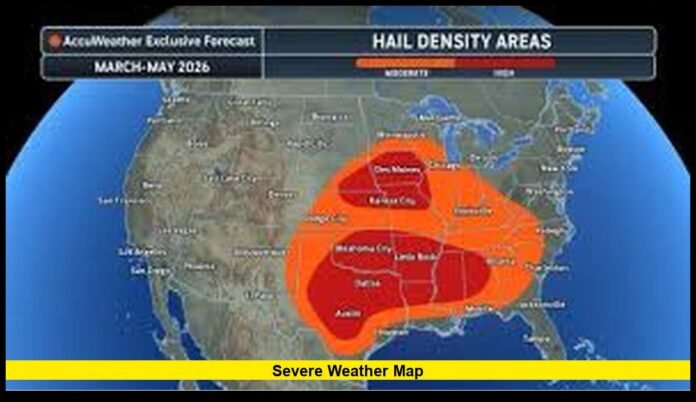

The severe weather map is drawing significant attention across the United States as meteorologists track active storm systems capable of producing damaging winds, large hail, flash flooding, and tornadoes in several regions. Early June marks one of the busiest periods of the year for severe weather, making daily outlooks essential for communities preparing for rapidly changing conditions.
Millions of Americans check weather outlooks each day to understand where dangerous storms may develop. Current forecasts indicate continued thunderstorm activity across portions of the Plains, Midwest, South, and parts of Texas, where atmospheric conditions remain favorable for severe weather development. Emergency managers, local officials, and residents are closely monitoring updates as storm systems move across the country.
What Is a Severe Weather Map?
A severe weather map is a forecasting tool that highlights areas where dangerous weather conditions could occur. Meteorologists analyze atmospheric data and use advanced forecasting models to identify regions at risk.
These maps help people understand where severe thunderstorms may develop and what types of hazards could occur.
Common threats displayed include:
- Tornadoes
- Damaging thunderstorm winds
- Large hail
- Flash flooding
- Excessive rainfall
- Lightning hazards
- Tropical weather impacts
Weather agencies update these maps several times throughout the day as conditions evolve.
Why Severe Weather Activity Increases During Early Summer
June is traditionally one of the most active months for severe thunderstorms in the United States. Warm temperatures, increasing humidity, and powerful weather systems often combine to create conditions favorable for strong storms.
Moisture flowing northward from the Gulf of Mexico frequently fuels thunderstorm development across the central part of the country. When that warm, humid air collides with cooler air masses and strong upper-level winds, severe weather can rapidly develop.
This seasonal pattern often produces some of the year’s most significant severe weather events.
Regions Currently Facing Elevated Storm Risks
Several parts of the United States remain vulnerable to severe weather during the opening days of June.
Areas that frequently appear on severe weather outlooks include:
Southern Plains
States such as Texas and Oklahoma regularly experience severe thunderstorms during late spring and early summer.
Potential hazards include:
- Large hail
- Damaging wind gusts
- Heavy rainfall
- Isolated tornadoes
Central Plains
Kansas and Nebraska often serve as focal points for severe thunderstorm development.
These regions can experience:
- Supercell thunderstorms
- Tornadic activity
- Wind damage
- Intense lightning
Midwest
The Midwest remains susceptible to organized storm systems that can travel hundreds of miles while producing widespread impacts.
Threats may include:
- Severe winds
- Flooding rainfall
- Hailstorms
- Tornadoes
Mid-South
States across the Mid-South frequently encounter severe weather outbreaks during early summer.
Storms in this region can bring:
- Flash flooding
- Damaging winds
- Frequent lightning
- Localized tornado risks
Understanding Severe Weather Categories
Meteorologists use a risk-based system to communicate the likelihood of severe weather.
Each category helps the public understand the potential severity of upcoming storms.
Marginal Risk
A marginal risk indicates isolated severe storms are possible.
Most locations experience little or no severe weather, but a few storms may become dangerous.
Slight Risk
A slight risk suggests scattered severe storms could develop.
Residents should remain alert for changing conditions.
Enhanced Risk
An enhanced risk signals a greater chance of numerous severe thunderstorms.
Storms may become more organized and widespread.
Moderate Risk
A moderate risk indicates a significant severe weather event could occur.
Widespread impacts become more likely.
High Risk
A high risk is the most serious outlook level.
This designation is uncommon and typically reserved for major severe weather outbreaks capable of producing widespread destruction.
Read More- AccuWeather Chicago Radar Shows Live Storm Tracking and Real-Time Weather Updates Across the City
Tornado Threats and the Importance of Daily Outlooks
Tornadoes remain one of the most dangerous weather hazards in the United States.
Unlike hurricanes, which can be tracked for days, tornadoes often develop rapidly. Conditions may appear relatively calm before storms suddenly intensify.
The severe weather map provides valuable advance notice when atmospheric conditions favor tornado formation.
Meteorologists monitor several ingredients when evaluating tornado potential:
- Wind shear
- Atmospheric instability
- Moisture levels
- Temperature contrasts
- Storm organization
When these elements combine, rotating thunderstorms known as supercells may develop.
Supercells produce many of the strongest tornadoes recorded in the United States.
Large Hail Continues to Be a Major Concern
While tornadoes often receive the most attention, hail causes billions of dollars in damage each year.
Severe thunderstorms can produce hailstones ranging from the size of quarters to baseballs and, in some cases, even larger.
Large hail can:
- Crack vehicle windshields
- Damage roofs
- Destroy crops
- Break windows
- Damage outdoor equipment
Communities across the Plains and Midwest frequently experience significant hail events during June.
Many insurance claims linked to severe weather stem from hail damage rather than tornadoes.
Damaging Winds Can Be Just as Dangerous
Strong thunderstorm winds often affect larger areas than tornadoes.
Wind gusts exceeding 60 miles per hour can knock down trees, damage buildings, and cause widespread power outages.
Some organized thunderstorm complexes produce destructive winds over hundreds of miles.
These wind events can create impacts similar to weak tornadoes while affecting much larger regions.
Residents should never underestimate severe thunderstorm warnings that focus primarily on wind threats.
Flash Flooding Remains a Growing Hazard
Heavy rainfall has become one of the leading causes of weather-related fatalities in the United States.
Flash flooding can develop quickly when thunderstorms repeatedly move over the same location.
Urban areas often face elevated risks because pavement prevents water from soaking into the ground efficiently.
Flood-prone locations include:
- Low-lying neighborhoods
- Small creeks and streams
- Highway underpasses
- Rural roads
- Mountain valleys
Even a small amount of moving water can become dangerous.
Drivers should never attempt to cross flooded roadways.
How Meteorologists Create Severe Weather Forecasts
Forecasting severe weather requires continuous analysis of massive amounts of atmospheric data.
Meteorologists evaluate information from:
- Weather satellites
- Doppler radar systems
- Surface observation stations
- Weather balloons
- Computer forecast models
- Aircraft observations
Modern forecasting technology allows experts to identify developing threats earlier than ever before.
Forecast accuracy has improved significantly during the past several decades, providing communities with more time to prepare.
The Role of Doppler Radar
Doppler radar remains one of the most important tools in severe weather forecasting.
Radar helps meteorologists:
- Detect rainfall intensity
- Monitor storm movement
- Identify rotating thunderstorms
- Estimate hail size
- Track dangerous weather in real time
Advanced radar networks cover most of the continental United States, providing continuous monitoring of storm activity.
This technology has dramatically improved tornado warning capabilities.
How the National Weather Service Communicates Threats
Weather officials use several products to inform the public about severe weather risks.
These include:
Outlooks
Issued days in advance to identify potential threat areas.
Watches
A watch means conditions are favorable for severe weather development.
People should prepare and stay informed.
Warnings
A warning means dangerous weather is occurring or imminent.
Immediate action may be necessary.
Understanding the difference between watches and warnings can help save lives during severe weather events.
Why More Americans Follow Severe Weather Maps
Access to weather information has changed dramatically over the past decade.
People now receive updates through:
- Mobile weather apps
- Television broadcasts
- Social media platforms
- Emergency alerts
- Weather websites
Real-time information allows residents to monitor conditions from virtually anywhere.
The ability to track storms as they develop has increased public awareness and preparedness.
Summer Travel and Severe Weather Concerns
June marks the beginning of a busy travel season across the United States.
Severe weather can create challenges for travelers by causing:
- Flight delays
- Highway closures
- Flooded roads
- Power outages
- Transportation disruptions
Checking weather forecasts before travel has become increasingly important during the summer months.
Even localized storms can affect major transportation corridors.
Severe Weather Preparedness Tips
Preparation remains one of the best ways to reduce weather-related risks.
Experts recommend:
- Keeping mobile devices charged
- Enabling emergency alerts
- Identifying safe shelter locations
- Monitoring local forecasts
- Preparing emergency kits
- Securing outdoor furniture
- Reviewing family safety plans
Taking these steps before storms arrive can make a significant difference during severe weather events.
Climate Patterns and Severe Storm Development
Weather patterns influence where severe storms are most likely to develop.
Temperature differences, moisture availability, and upper-level atmospheric conditions all contribute to thunderstorm formation.
Some years feature more active severe weather seasons than others.
Meteorologists continuously monitor these large-scale patterns to improve forecasting accuracy and identify regions most vulnerable to severe storms.
Looking Ahead Through June 2026
Weather forecasters expect additional rounds of thunderstorms across portions of the central and southern United States as June progresses.
Warm temperatures and abundant moisture will continue supporting storm development in several regions.
While specific storm locations change daily, the overall weather pattern remains favorable for periods of severe thunderstorms, heavy rainfall, hail, and damaging winds.
Residents living in historically active severe weather regions should continue monitoring forecast updates and remain prepared for rapidly changing conditions.
Why the Severe Weather Map Remains Essential
The severe weather map serves as one of the most valuable forecasting resources available to the public. It provides an early look at areas where dangerous weather may develop and helps communities prepare before storms arrive.
From tornado threats in the Plains to flash flooding concerns in the South and severe thunderstorms across the Midwest, weather outlooks offer critical information that can protect lives and property. As the nation moves deeper into the 2026 severe weather season, staying informed and understanding forecast risks remain important steps for every household.
Weather conditions can change quickly, so keep checking the latest forecasts and share your thoughts on how severe weather is affecting your area this season.