
Every May, millions of Americans pause to honor the men and women of the U.S. military who lost their lives while serving the country. For people asking what is the significance of memorial day, the answer reaches far beyond parades, family gatherings, and the long holiday weekend. Memorial Day stands as one of the most meaningful national observances in the United States, dedicated to remembrance, sacrifice, patriotism, and respect for those who never returned home.
In 2026, Memorial Day is being observed nationwide on Monday, May 25. Cities, towns, veterans organizations, military families, and public officials are once again preparing ceremonies and tributes to honor fallen service members from every generation of American conflict. From Arlington National Cemetery to local memorial parks across small-town America, the holiday continues to hold deep emotional significance for countless families.
The day remains a reminder that freedom came at a cost paid by generations of American military personnel. As communities gather across the country this year, Memorial Day continues to connect Americans with the sacrifices that shaped the nation’s history.
Americans everywhere are encouraged to take part in local observances, moments of silence, and remembrance events that preserve the meaning behind this important national holiday.
The Origin of Memorial Day in the United States
Memorial Day began in the years following the Civil War, one of the deadliest wars in American history. The conflict resulted in hundreds of thousands of deaths and left communities searching for ways to honor fallen soldiers.
In the late 1860s, Americans in both Northern and Southern states began decorating military graves with flowers, flags, and wreaths. These ceremonies became known as Decoration Day.
The movement quickly spread across the country. Families gathered in cemeteries to pay tribute to loved ones who died during military service, while veterans groups organized public memorial events.
General John A. Logan, leader of a major Union veterans organization, officially called for a national day of remembrance in 1868. The first large-scale observance took place on May 30 of that year at Arlington National Cemetery.
Participants decorated graves and honored soldiers from both the Union and Confederate armies. The tradition eventually evolved into the modern Memorial Day Americans observe today.
Following World War I, the holiday expanded to honor all U.S. military personnel who died while serving the nation, not only Civil War soldiers.
In 1971, Memorial Day officially became a federal holiday observed annually on the last Monday in May.
Why Memorial Day Carries Such Deep Meaning
Unlike Veterans Day, which honors all veterans, Memorial Day remembers Americans who made the ultimate sacrifice during wartime and military operations.
For military families, the day represents remembrance, grief, pride, and national recognition. Gold Star families — relatives of fallen service members — often spend the day attending memorial ceremonies, visiting cemeteries, and reflecting on the lives of loved ones.
For veterans, Memorial Day serves as a time to remember friends and fellow service members who never returned home.
Communities across the country also use the holiday to teach younger generations about American history and military sacrifice.
The day reminds Americans that the freedoms and protections enjoyed today came through immense sacrifice over many decades of conflict.
How Memorial Day Is Observed Across America
Modern Memorial Day observances include a mix of solemn ceremonies and patriotic community traditions.
Across the United States, communities organize:
- Memorial parades
- Cemetery tributes
- Flag placement ceremonies
- Military honor guards
- Public speeches
- Concerts honoring veterans
- Wreath-laying ceremonies
- National moments of silence
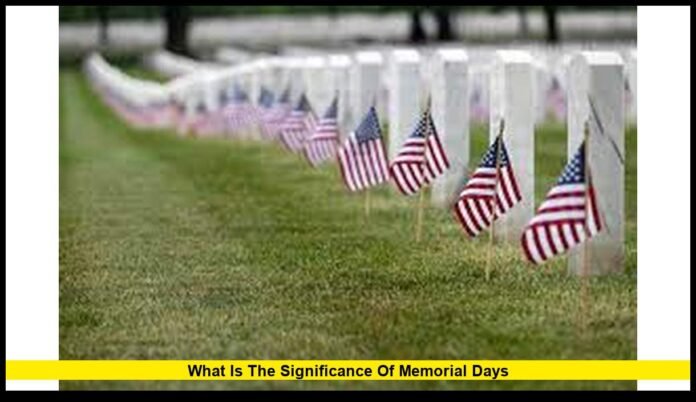
Volunteers often place small American flags beside graves in military cemeteries before Memorial Day weekend begins.
In Washington, D.C., major memorial sites attract large crowds during the holiday. Arlington National Cemetery remains one of the nation’s most recognized locations for Memorial Day observances.
Military officials, veterans groups, and families gather there each year to honor service members from every branch of the armed forces.
Smaller communities across the country also hold deeply meaningful ceremonies that bring together local residents, veterans, schools, and civic organizations.
These events continue to preserve the original purpose of Memorial Day while strengthening community connections.
The National Moment of Remembrance
One of the most important Memorial Day traditions is the National Moment of Remembrance.
Congress established the observance in 2000 to encourage Americans to pause for one minute at 3 p.m. local time on Memorial Day.
The moment serves as a unified act of national reflection honoring fallen military personnel.
Across the country, Americans participate in different ways. Some pause quietly at home, while others attend ceremonies where buglers perform “Taps” and crowds observe silence together.
Sports venues, transportation systems, military installations, and community organizations also participate in the tradition each year.
The observance helps maintain the solemn meaning behind Memorial Day at a time when many Americans associate the weekend with travel and recreation.
Why American Flags Are Lowered Until Noon
A longstanding Memorial Day tradition involves flying the American flag at half-staff from sunrise until noon.
This practice symbolizes national mourning for military personnel who died serving the country.
At noon, the flag is raised to full staff, representing the nation’s determination to continue forward while remembering those who sacrificed their lives.
Government buildings, military bases, schools, businesses, and private homes participate in the tradition throughout the United States.
For many Americans, the lowering of the flag remains one of the most visible symbols connected to Memorial Day.
The Difference Between Memorial Day and Veterans Day
Many Americans continue to confuse Memorial Day with Veterans Day, but the two holidays serve different purposes.
Memorial Day honors military personnel who died while serving in the armed forces.
Veterans Day honors all military veterans, whether they served during war or peacetime.
That distinction matters greatly to military families and veterans organizations, which continue encouraging Americans to preserve the unique meaning of each observance.
Memorial Day remains specifically dedicated to remembering those who lost their lives in service to the nation.
Military Families and the Emotional Weight of Memorial Day
For Gold Star families, Memorial Day often brings intense emotions.
The day serves as both a public tribute and a deeply personal reminder of loss.
Families frequently visit cemeteries, attend remembrance ceremonies, and share stories about loved ones who died during military service.
Many military families describe Memorial Day as a difficult but meaningful occasion because it ensures fallen service members are not forgotten.
Veterans organizations nationwide often support grieving families through memorial events, community gatherings, and tributes dedicated to fallen heroes.
Military communities also encourage Americans to approach the holiday with respect and understanding of its true purpose.
How Schools and Communities Preserve the Meaning of Memorial Day
Educational programs remain an important part of Memorial Day observances throughout the country.
Schools often organize:
- History lessons
- Patriotic assemblies
- Essay competitions
- Flag ceremonies
- Military tributes
- Veteran guest speakers
Museums and local historical organizations also hold exhibits highlighting the stories of service members who died in war.
Teachers and community leaders continue working to ensure younger generations understand the sacrifices connected to the holiday.
These educational efforts help preserve the historical importance of Memorial Day while strengthening civic awareness among students and families.
The Role of Arlington National Cemetery
Arlington National Cemetery holds a central place in Memorial Day traditions.
Located in Virginia near Washington, D.C., the cemetery serves as the final resting place for more than 400,000 military veterans and family members.
Every Memorial Day, national ceremonies held at Arlington draw attention from across the country.
The cemetery’s traditions include wreath placements, military honors, and tributes to fallen service members representing generations of American military history.
The Tomb of the Unknown Soldier remains one of the most visited sites during Memorial Day observances.
The solemn ceremonies conducted there continue to symbolize national gratitude and remembrance.
How Americans Spend Memorial Day Weekend
Although Memorial Day is rooted in remembrance, the three-day weekend has also become associated with family gatherings and community activities.
Many Americans travel during Memorial Day weekend, attend sporting events, host cookouts, or gather with relatives.
For some families, the day combines celebration with remembrance. They may attend a morning memorial service before spending time together later in the day.
Communities often organize concerts, patriotic festivals, and public events that honor military service while bringing residents together.
Veterans groups frequently remind Americans that enjoying freedoms and family traditions can coexist with honoring the sacrifices that made those freedoms possible.
The Continued Relevance of Memorial Day in 2026
As Memorial Day 2026 approaches, the holiday continues to carry major national importance.
The United States remains home to millions of veterans and military families whose lives have been shaped by war, deployment, and sacrifice.
Memorial Day offers Americans an opportunity to reflect on those sacrifices while recognizing the human cost behind military service.
For younger generations, the holiday also serves as an important educational moment about civic duty, national history, and the realities of war.
Communities nationwide continue adapting Memorial Day traditions while preserving the core mission of remembrance.
That continued commitment helps ensure fallen service members remain honored and remembered year after year.
What Is the Significance of Memorial Day in Modern America?
Today, when Americans ask what is the significance of memorial day, the answer includes history, sacrifice, patriotism, remembrance, and national unity.
The holiday honors men and women who died defending the country across generations of military conflict.
It also reminds Americans that behind every military memorial lies a personal story of courage, service, and family loss.
Whether through cemetery visits, flag ceremonies, moments of silence, or community tributes, Memorial Day continues to unite Americans in remembrance.
The traditions observed each May help preserve the nation’s connection to those who sacrificed everything while serving in uniform.
As communities gather across the United States this year, Memorial Day remains one of the country’s most solemn and meaningful national observances.
Americans are encouraged to take time during the holiday weekend to reflect on the lives of fallen service members and participate in local acts of remembrance.
How does your community honor Memorial Day each year? Share your thoughts and join the nationwide reflection remembering America’s fallen heroes.