
Healthcare costs continue climbing across the United States, and retirees entering Medicare this year are taking a closer look at supplemental insurance plans that can reduce financial surprises. One of the fastest-growing topics among seniors is medicare part g, a term many Americans use when discussing Medicare Supplement Plan G coverage.
Although “Part G” is not an official Medicare category, Plan G remains one of the most popular Medigap options available in 2026. The plan helps cover many out-of-pocket expenses left behind by Original Medicare, including coinsurance, hospital costs, and excess medical charges that can quickly add up during retirement.
New Medicare deductibles, changing hospital expenses, and continued concern about healthcare affordability are causing more beneficiaries to compare Plan G against Medicare Advantage plans and other Medigap options. Many retirees want flexibility, stable access to doctors, and protection from unpredictable medical bills as inflation continues affecting healthcare services nationwide.
The growing popularity of Plan G reflects a larger trend among older Americans who are prioritizing predictable healthcare budgeting during retirement years.
Seniors approaching age 65 are also paying closer attention to enrollment windows this year, especially because missing certain deadlines can lead to higher premiums or limited coverage choices later.
Retirement healthcare decisions can affect finances for years, making it more important than ever to understand exactly how Medicare supplemental coverage works before enrolling.
Why Plan G Is Dominating Medicare Discussions in 2026
Plan G has steadily gained popularity since Plan F stopped accepting newly eligible Medicare beneficiaries several years ago. As a result, many retirees searching for broad supplemental coverage now see Plan G as the leading alternative.
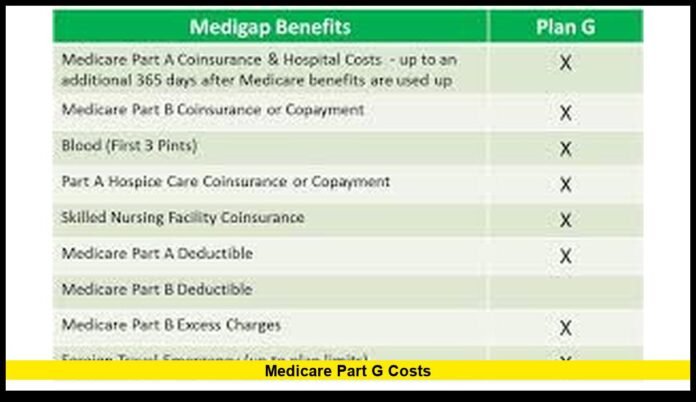
The reason is simple: Plan G covers nearly every major gap left by Original Medicare except the annual Part B deductible.
That protection has become especially valuable as hospital expenses, outpatient treatment costs, and specialist care continue rising in 2026.
Under Original Medicare alone, beneficiaries remain responsible for significant healthcare expenses, including:
- Hospital deductibles
- Outpatient coinsurance
- Skilled nursing facility costs
- Excess provider charges
- Long hospital stay expenses
Without supplemental insurance, those expenses can create major financial pressure for retirees living on fixed incomes.
Plan G helps reduce much of that uncertainty.
Many seniors say the ability to budget healthcare expenses more accurately gives them greater confidence during retirement.
People comparing healthcare strategies are also weighing the emotional benefit of knowing unexpected surgeries, hospital stays, or specialist visits may not result in devastating bills later.
What Medicare Supplement Plan G Covers
Plan G works alongside Medicare Parts A and B rather than replacing them.
Beneficiaries still maintain Original Medicare coverage while using Plan G to pay many additional expenses.
In 2026, Plan G generally covers:
- Medicare Part A coinsurance
- Hospital costs after Medicare limits end
- Skilled nursing facility coinsurance
- Hospice care coinsurance
- Medicare Part A deductible
- Medicare Part B coinsurance
- Excess charges from certain providers
- Foreign travel emergency coverage within policy limits
- Blood transfusion costs for the first three pints
This broad protection explains why many retirees consider Plan G one of the strongest Medigap plans available today.
For outpatient services, Original Medicare normally pays 80% after deductibles are met. Beneficiaries remain responsible for the remaining 20%.
That 20% can become expensive during surgeries, imaging tests, cancer treatment, physical therapy, or specialist care.
Plan G typically absorbs those additional costs once the Medicare Part B deductible has been satisfied.
The Medicare Part B Deductible Increased Again
One of the biggest Medicare changes affecting retirees in 2026 involves updated deductibles and premiums.
The Medicare Part B deductible increased to $283 this year. Beneficiaries enrolled in Plan G must still pay this deductible before the supplemental coverage fully applies to outpatient services.
After meeting that deductible, Plan G generally covers remaining approved Part B coinsurance expenses.
This setup is one reason many financial planners continue viewing Plan G as a practical long-term healthcare option for retirees who want broad coverage protection.
While the deductible increase may appear modest, healthcare experts note that annual increases can gradually affect retirement budgets over time.
Beneficiaries are therefore paying closer attention not only to monthly premiums but also to yearly out-of-pocket exposure.
Hospital Costs Continue Rising in 2026
Medicare hospitalization expenses also increased this year.
The Medicare Part A hospital deductible rose to $1,736 per benefit period in 2026.
Longer hospital stays now carry even higher daily coinsurance amounts:
- Days 61–90: $434 per day
- Days 91–150: $868 per day
These rising costs are pushing more seniors toward supplemental coverage options that provide stronger financial protection during medical emergencies.
Unexpected hospitalizations remain one of the largest financial risks for retirees without supplemental insurance.
Many Americans underestimate how quickly inpatient medical bills can grow after surgeries, illnesses, or extended recovery periods.
Because Plan G covers many of these hospital-related gaps, interest in Medigap enrollment has remained strong nationwide.
Why Some Seniors Prefer Plan G Over Medicare Advantage
The debate between Medicare Advantage and Medigap coverage continues intensifying in 2026.
Both systems offer advantages, but retirees increasingly focus on provider flexibility and healthcare access when choosing plans.
Why Many Seniors Choose Plan G
- Freedom to use doctors nationwide who accept Medicare
- No network restrictions in most situations
- Predictable out-of-pocket expenses
- Reduced exposure to major medical bills
- No referrals required for many specialists
Why Others Choose Medicare Advantage
- Lower monthly premiums
- Prescription drug coverage often included
- Additional benefits like dental and vision
- Annual out-of-pocket spending limits
However, some beneficiaries remain concerned about provider network limitations and prior authorization requirements under certain Medicare Advantage plans.
Retirees who travel frequently or split time between states often prefer Original Medicare with supplemental coverage because provider access remains more flexible.
Healthcare advocates also continue encouraging seniors to carefully compare yearly total costs rather than focusing solely on low monthly premiums.
High-Deductible Plan G Gains Attention
A growing number of retirees are exploring high-deductible Plan G options in 2026.
This variation offers the same benefits as standard Plan G after beneficiaries satisfy a larger annual deductible.
For 2026, the deductible for high-deductible Plan G increased to $2,950.
Because beneficiaries assume more upfront financial responsibility, monthly premiums are usually much lower than standard Plan G plans.
This approach may appeal to healthier retirees who:
- Rarely visit doctors
- Want lower monthly expenses
- Have emergency savings available
- Prefer catastrophic medical protection
Still, retirees with chronic health conditions may find standard Plan G more predictable financially.
Healthcare advisors frequently recommend evaluating expected yearly medical usage before selecting either version.
Some beneficiaries save money with high-deductible plans, while others ultimately spend more depending on healthcare needs throughout the year.
Prescription Drug Costs Still Require Separate Coverage
One important detail continues confusing many Medicare beneficiaries.
Plan G does not include prescription drug coverage.
Retirees must purchase a standalone Medicare Part D plan if they want prescription medication coverage.
Drug affordability remains one of the largest concerns for older Americans in 2026, especially for individuals managing diabetes, heart disease, arthritis, and other chronic conditions.
Federal Medicare drug reforms continue affecting prescription costs this year, including updated annual out-of-pocket caps for Medicare Part D enrollees.
These changes are helping some retirees better manage medication expenses.
Still, experts continue advising beneficiaries to compare Part D plans annually because formularies, pharmacy networks, and covered medications can change each year.
Choosing the wrong prescription plan may result in significantly higher yearly drug costs.
Foreign Travel Benefits Add Extra Appeal
Another reason many retirees favor Plan G involves foreign travel emergency coverage.
Original Medicare generally offers very limited international medical protection.
Plan G includes emergency foreign travel benefits within plan limits, which may help reduce costs during overseas medical emergencies.
As international travel rebounds among retirees, this feature has become increasingly attractive.
Americans spending retirement years traveling abroad often value the additional peace of mind supplemental coverage may provide.
Although coverage limits still apply, having some international emergency protection can make a meaningful financial difference during unexpected medical situations.
Enrollment Timing Matters More Than Many Realize
One of the most important Medicare rules involves Medigap enrollment timing.
Beneficiaries usually receive their strongest consumer protections during the Medigap Open Enrollment Period.
This six-month window begins when:
- A person turns 65 or older
- Medicare Part B coverage begins
During this period, insurers generally cannot deny coverage or charge higher premiums because of medical history.
Outside that window, medical underwriting may apply in many states.
That means applicants could face:
- Higher premiums
- Coverage denials
- Waiting periods
- Fewer plan choices
Because of these rules, many retirement advisors urge beneficiaries to carefully evaluate supplemental coverage when first becoming eligible for Medicare.
Several states also provide additional consumer protections allowing certain beneficiaries to switch Medigap plans later without medical underwriting.
Premium Pricing Varies Across the Country
Monthly Plan G premiums differ significantly depending on several factors.
These include:
- Age
- ZIP code
- Gender
- Tobacco use
- Household discounts
- Insurance company pricing systems
Three common pricing structures remain widely used nationwide.
Community-Rated Policies
Everyone pays the same premium regardless of age.
Issue-Age Rated Policies
Premiums depend on age at enrollment.
Attained-Age Rated Policies
Premiums rise as beneficiaries age.
Understanding these pricing systems is important because some plans that appear cheaper initially may become more expensive later.
Many retirees now spend more time comparing long-term affordability rather than simply choosing the lowest monthly premium.
Healthcare Planning Is Becoming More Complex
Medicare decisions in 2026 involve more moving parts than ever before.
Retirees must now balance:
- Rising healthcare costs
- Prescription drug spending
- Provider access
- Supplemental insurance premiums
- Long-term retirement budgeting
For many Americans, healthcare expenses represent one of the largest financial concerns during retirement.
That reality explains why Plan G continues drawing strong interest among beneficiaries seeking stable and predictable coverage.
The ability to reduce surprise medical bills while maintaining broad access to physicians remains one of the biggest selling points of supplemental Medicare coverage.
As healthcare costs continue evolving, many seniors are expected to review their plans carefully during upcoming enrollment periods to ensure their coverage still fits both medical and financial needs.
What matters most to you when choosing Medicare coverage in 2026? Share your thoughts and stay updated on the latest retirement healthcare changes affecting seniors nationwide.