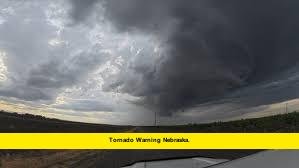

A powerful round of severe weather pushed across parts of Nebraska as meteorologists and storm chasers tracked a dangerous tornado-producing supercell. The latest tornado warning Nebraska coverage gained national attention after dramatic footage showed a tornado forming beneath a massive mesocyclone near St. Libory, Nebraska. Weather experts warned residents across several counties to remain alert as rotating storms intensified throughout the region.
Tornado Forms Beneath Massive Mesocyclone in Nebraska
One of the most striking weather developments came when a large tornado was spotted under a well-defined mesocyclone structure over central Nebraska. Videos circulating online and weather reports from storm trackers captured the enormous rotating cloud base as the tornado developed near St. Libory. The storm displayed classic supercell characteristics, including intense rotation and rapidly evolving cloud formations.
Meteorologists explained that a mesocyclone is a rotating updraft within a severe thunderstorm. These rotating storms are often capable of producing large hail, destructive winds, and tornadoes. In this Nebraska event, the mesocyclone appeared especially organized, creating ideal atmospheric conditions for tornado development.
Storm chasers in the area described the scene as one of the most visually impressive supercells of the season. Several live weather feeds documented the tornado warning situation as emergency alerts spread across affected counties.
Tornado Warnings Issued Across Nebraska
The National Weather Service issued multiple tornado watches and tornado warnings as storms expanded through eastern and central Nebraska. Weather alerts included counties near Omaha, Lincoln, Norfolk, and surrounding communities where atmospheric instability remained extremely high.
Forecasters warned residents about:
- Tornado potential from rotating supercells
- Damaging straight-line winds
- Very large hail
- Dangerous lightning
- Rapid storm intensification during evening hours
Emergency officials urged people in warning zones to seek shelter immediately, especially those living in mobile homes or temporary structures.
The severe weather outbreak was part of a larger storm system impacting portions of the Plains and Midwest. Meteorologists noted that Nebraska remained in a favorable corridor for rotating thunderstorms due to warm, humid air colliding with cooler atmospheric systems.
Why Nebraska Frequently Faces Tornado Threats
Nebraska sits within the broader region often associated with Tornado Alley, an area historically known for frequent tornado activity. The state regularly experiences strong spring and early summer storms because of unique atmospheric conditions that allow warm Gulf moisture to collide with dry western air masses and colder northern systems.
Weather experts say Nebraska averages dozens of tornadoes every year, with some years producing particularly active severe weather seasons. Tornadoes in the state range from weak landspouts to violent long-track tornadoes capable of major destruction.
The latest tornado warning Nebraska event once again highlighted how quickly conditions can change during severe weather outbreaks.
Mesocyclones and Supercells Explained
The storm responsible for the tornado near St. Libory showed a classic supercell structure. Supercells are highly organized thunderstorms that rotate internally because of wind shear — a change in wind speed and direction with height.
Inside these storms, a mesocyclone develops as rising air begins rotating. If conditions become strong enough, the rotation tightens and stretches downward, eventually forming a tornado.
Although tornado forecasting has improved dramatically over the years, meteorologists still face challenges predicting exactly when and where a tornado will touch down. Radar technology helps forecasters detect rotational signatures, but tornado formation can still happen rapidly.
During the Nebraska storms, radar imagery reportedly showed strong rotational velocity signatures before tornado warnings were issued. Storm spotters and live video streams then confirmed tornado development visually.
Dramatic Videos Capture Nebraska Tornado Event
Videos from the tornado warning Nebraska outbreak quickly spread across social media as storm chasers documented the rotating storm structure. One widely shared clip showed the tornado extending beneath a massive rotating wall cloud while dark storm bands wrapped around the circulation.
Other footage captured:
- Rapid cloud rotation
- Lightning surrounding the supercell
- Large debris clouds near rural areas
- Intense rainfall wrapping around the storm
- Expanding wall cloud formations
Weather enthusiasts described the storm as both terrifying and visually stunning because of the clearly visible mesocyclone overhead.
Nebraska has seen several photogenic supercells in past years, but experts said this storm stood out because of its unusually large and structured rotation.
Nebraska’s History With Major Tornadoes
The recent storms also renewed discussion about Nebraska’s long history of tornado activity. Some of the most notable tornado events in U.S. history have occurred within the state.
Historic Nebraska tornado events include:
1913 Omaha Easter Tornado
One of the deadliest tornadoes in state history devastated Omaha, killing more than 100 people and causing widespread destruction.
1964 Central Nebraska Tornado
An F5 tornado traveled across multiple counties, destroying farms and communities while leaving catastrophic damage behind.
1980 Grand Island Tornado Outbreak
A rare sequence of tornadoes repeatedly struck Grand Island during a highly unusual weather event that caused massive destruction and injuries.
2004 Hallam Tornado
The Hallam tornado became one of the widest tornadoes ever recorded in Nebraska history, producing extreme damage across several counties.
These historical storms continue to shape Nebraska’s emergency preparedness and severe weather awareness programs.
How Residents Should Respond During a Tornado Warning
Meteorologists repeatedly stress that tornado warnings should always be taken seriously. During fast-moving severe weather outbreaks, people may only have minutes to reach shelter safely.
Safety recommendations include:
- Move to a basement or storm shelter immediately
- Stay away from windows and exterior walls
- Use helmets or blankets for head protection
- Monitor weather alerts continuously
- Avoid driving into severe storms
- Keep emergency supplies ready during storm season
Officials also recommend enabling smartphone emergency alerts and monitoring local weather coverage during severe weather days.
Severe Weather Outlook Remains Active
Forecasters continue monitoring atmospheric conditions across portions of the Plains as additional thunderstorms remain possible. The broader severe weather pattern affecting Nebraska and nearby states could continue producing strong storms capable of hail, damaging winds, and isolated tornadoes.
Weather experts say residents should remain prepared throughout the peak severe weather season, especially during afternoons and evenings when atmospheric instability tends to increase.
The recent tornado warning Nebraska event serves as another reminder of how quickly dangerous storms can form across the region. With advanced radar technology, storm tracking, and improved warning systems, emergency officials hope communities can continue improving preparedness and response during severe weather outbreaks.
Stay tuned for more tornado warning Nebraska updates and share your storm experiences or weather photos in the comments below.