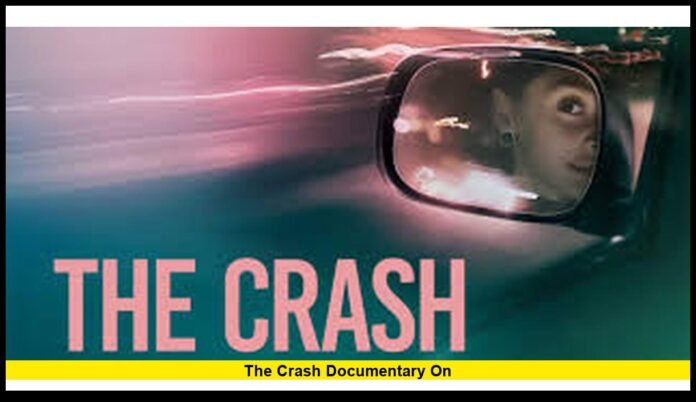

Netflix’s the crash documentary has become one of the most talked-about true-crime releases of the year, drawing renewed national attention to the Ohio case involving Mackenzie Shirilla and the deadly 2022 collision that killed Dominic Russo and Davion Flanagan. The documentary explores the events leading up to the crash, the investigation that followed, and the emotional courtroom battle that divided public opinion across the country.
The film premiered on Netflix this week and immediately sparked widespread discussion online as viewers revisited one of the most controversial criminal cases involving teenagers in recent years. Through prison interviews, courtroom footage, family testimony, and investigative details, the documentary examines how what first appeared to be a tragic accident evolved into a murder prosecution that shocked Ohio and the nation.
The documentary has already climbed into trending conversations among true-crime fans, with many viewers debating whether the film changes public understanding of the case or reinforces the conclusions reached during the trial.
If you’ve watched the documentary, join the growing conversation online and share your thoughts about the case, the verdict, and the emotional interviews featured throughout the film.
What Happened in the Strongsville Crash?
The events at the center of the documentary date back to July 31, 2022, in Strongsville, Ohio.
Authorities said Mackenzie Shirilla, then 17 years old, drove a Toyota Camry at extremely high speed into a commercial building during the early morning hours. Inside the car were her boyfriend, Dominic Russo, and their friend, Davion Flanagan.
Both young men died at the scene.
Shirilla survived the collision but suffered severe injuries.
Investigators later concluded the crash was intentional. Prosecutors argued during trial proceedings that Shirilla deliberately accelerated the vehicle and drove directly into the building without braking or attempting to avoid impact.
Data recovered from the vehicle reportedly showed the car traveling at more than 100 miles per hour moments before the collision.
The documentary revisits those details through surveillance footage, forensic analysis, courtroom evidence, and interviews connected to the case.
Why the Case Drew So Much Attention Nationwide
The case quickly expanded beyond local headlines because of the unusual legal arguments and emotional testimony presented during the proceedings.
Many crash-related criminal cases involve allegations of reckless driving or intoxication. This case became different because prosecutors pursued murder charges, arguing that the collision itself was planned.
The documentary explores how investigators focused on Shirilla’s actions before the crash, including evidence tied to her relationship with Dominic Russo.
The case also drew attention because Shirilla waived her right to a jury trial. Instead, Judge Nancy Margaret Russo presided over the bench trial and ultimately found her guilty on multiple felony charges.
That decision created strong reactions nationwide. Some observers believed the evidence clearly pointed toward intent, while others questioned whether prosecutors fully proved deliberate murder instead of reckless behavior.
The Netflix documentary revisits both perspectives while presenting emotional interviews from people directly connected to the tragedy.
Mackenzie Shirilla Speaks Publicly From Prison
One of the most heavily discussed parts of the documentary is Mackenzie Shirilla’s prison interview.
According to the filmmakers, this marks the first time Shirilla has spoken publicly on camera since her conviction.
During the documentary, she discusses the crash, her emotional state, and her claim that she does not remember the moments surrounding the collision.
Shirilla also references her medical history, including discussions surrounding POTS, a condition associated with dizziness and fainting episodes.
The documentary includes conversations about whether a medical episode could have contributed to the crash, though prosecutors during the trial argued that evidence strongly supported intentional behavior.
Those interview scenes have become a major source of online debate since the documentary’s release.
Some viewers say the prison interview humanizes Shirilla and presents a more emotional side of the story. Others argue the documentary should focus more heavily on the victims and the evidence presented in court.
The Victims Remain at the Center of the Story
Although much of the public discussion focuses on Shirilla, the documentary spends significant time honoring Dominic Russo and Davion Flanagan.
Family members and friends describe both young men as ambitious, energetic, and deeply loved within their community.
Dominic Russo is remembered as someone passionate about music, business ideas, and spending time with friends and family. Davion Flanagan is described as a talented athlete who hoped to pursue barber school before his life was cut short.
The emotional interviews with their loved ones become some of the documentary’s most powerful moments.
Parents, siblings, and close friends discuss the devastating impact of losing two young men so suddenly. Several interview segments focus on how the community struggled to process the tragedy after the crash occurred.
Viewers have responded strongly to these scenes, with many saying the documentary becomes especially emotional when shifting focus away from legal arguments and toward the personal stories of the victims.
The Investigation That Changed the Case
The documentary carefully examines how investigators moved from treating the collision as a possible accident to pursuing a murder investigation.
Authorities reportedly found no evidence of braking before impact. Surveillance footage and vehicle data became central pieces of evidence during the case.
Investigators also examined Shirilla’s movements before the crash and reviewed relationship-related evidence discussed during trial proceedings.
The documentary explores how prosecutors built their case using forensic analysis, digital evidence, witness testimony, and crash reconstruction findings.
Legal experts featured in the film explain why proving intent in vehicle-related homicide cases can be difficult. The documentary repeatedly returns to the same central question that dominated courtroom proceedings: was the crash deliberate, or was it the result of reckless behavior combined with emotional instability?
That question continues to divide viewers today.
Courtroom Footage Adds Emotional Weight
Netflix’s production includes extensive courtroom footage that gives viewers a close look at the emotional intensity of the trial.
Scenes from the sentencing hearing stand out as especially difficult to watch.
Family members of Dominic Russo and Davion Flanagan addressed the court directly while describing the pain caused by the crash. Their statements reflected years of grief and frustration surrounding the case.
The documentary also includes footage of prosecutors presenting evidence and arguments about Shirilla’s state of mind before the collision.
Several legal commentators featured in the documentary discuss why the case became so unusual within the American criminal justice system.
Bench trials involving teenagers accused of murder rarely attract national attention at this level, but the emotional details and dramatic evidence surrounding the case pushed it into major headlines.
The Documentary Explores Social Media’s Role
Another major topic explored in the documentary involves Shirilla’s social media activity.
Prosecutors referenced online videos and posts during court proceedings, arguing that some of her behavior after the crash reflected troubling emotional patterns.
The documentary examines how social media influenced public opinion surrounding the case.
As clips and screenshots circulated online during the trial, many people formed strong opinions before the verdict was even announced. The Netflix film explores how digital culture can intensify criminal cases involving young defendants.
Several commentators in the documentary argue that online reactions sometimes blurred the line between legal analysis and public spectacle.
That discussion has become increasingly relevant as high-profile criminal cases continue to generate viral attention across social media platforms.
The Crash Documentary Adds New Attention to True Crime Streaming
The success of the crash documentary also reflects the continued popularity of true-crime content on streaming services.
Audiences remain deeply interested in documentaries that revisit controversial criminal cases through interviews, archived footage, and investigative storytelling.
Netflix has built a large audience around this genre, and the latest release continues that trend.
Unlike older crime documentaries that revisit decades-old mysteries, this film focuses on a case that still feels recent and emotionally raw.
That immediacy gives the documentary a different tone compared to traditional crime retrospectives.
The film feels less like a historical examination and more like an ongoing national debate that remains emotionally unresolved for many viewers.
Director Gareth Johnson Focuses on Emotional Complexity
Director Gareth Johnson structures the documentary around competing emotional perspectives rather than presenting a simple narrative.
The film moves between courtroom evidence, prison interviews, family grief, and broader discussions about teenage psychology and accountability.
Instead of framing the story purely as a criminal investigation, the documentary explores emotional instability, toxic relationships, social pressure, and trauma.
That storytelling style has helped the documentary stand out among recent streaming releases.
Viewers have noted that the film avoids presenting a straightforward answer to every question raised during the case. Instead, it allows conflicting perspectives to exist side by side while showing how devastating the outcome became for everyone involved.
Current Legal Status of Mackenzie Shirilla
The documentary also updates viewers on Shirilla’s current legal status.
She remains incarcerated at the Ohio Reformatory for Women after receiving a sentence of 15 years to life in prison.
Recent appeals connected to the case have not changed the conviction or sentence.
The film references ongoing efforts by supporters and family members who continue to argue that the crash should not have been prosecuted as intentional murder.
At the same time, supporters of the victims’ families maintain that the evidence presented during trial proceedings justified the conviction.
That divide continues to shape public conversation surrounding the case.
Audience Reactions Continue Growing Online
Since its release, the documentary has generated intense reactions across social media and streaming discussion platforms.
Some viewers believe the film provides important emotional context that was missing from earlier media coverage. Others argue the documentary risks shifting attention away from the victims and toward the convicted driver.
Many discussions online focus on whether the prison interview changes perceptions of Shirilla herself.
Others debate the broader legal implications raised by the case, including how courts evaluate intent in fatal crash investigations involving teenagers.
The emotional nature of the documentary has clearly resonated with audiences, particularly viewers interested in courtroom dramas and true-crime storytelling.
Why This Story Still Resonates Across America
The story continues to resonate because it combines several emotionally charged issues at once.
The case involves young people, social media culture, toxic relationships, criminal accountability, grief, and questions surrounding mental state and intent.
Those elements transformed a local tragedy into a nationally debated legal case.
For many viewers, the documentary is not simply about crime. It is about how one devastating decision permanently altered multiple families, friendships, and futures.
That emotional weight explains why the documentary has already become one of Netflix’s most heavily discussed true-crime releases this year.
What Viewers Should Expect Before Watching
The documentary includes mature themes, emotionally intense interviews, and detailed discussion surrounding fatal injuries and criminal allegations.
Viewers should expect courtroom footage, family testimony, forensic analysis, and emotionally difficult conversations connected to grief and trauma.
At the same time, many audiences interested in legal documentaries and real-life criminal investigations will likely find the film compelling because of its detailed reconstruction of events and emotional storytelling approach.
The documentary runs slightly longer than 90 minutes and maintains a tense, emotional tone throughout.
A Case That Continues to Divide Public Opinion
Years after the crash occurred, public debate surrounding the case remains deeply divided.
Some viewers believe the documentary reinforces the prosecution’s position that the collision was intentional. Others believe the film raises difficult questions about teenage mental health, emotional instability, and criminal responsibility.
Regardless of where audiences stand, the documentary has succeeded in reopening national discussion surrounding one of Ohio’s most controversial criminal cases in recent memory.
As more viewers stream the film in the coming weeks, conversations surrounding justice, accountability, and tragedy are expected to continue growing online.
Have you watched the documentary yet? Share your thoughts on the case and stay tuned for more updates on trending true-crime releases and streaming stories.