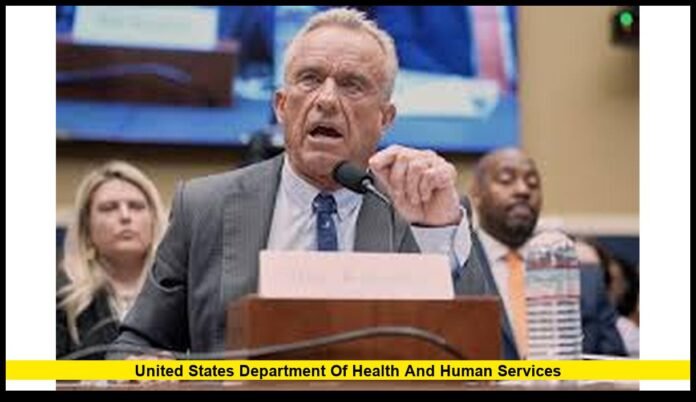

The united states department of health and human services has become one of the most closely watched federal agencies in America as sweeping healthcare reforms, budget debates, leadership changes, and public health policy shifts continue dominating headlines in 2026. From vaccine guidance to research funding and food safety regulation, the department now sits at the center of major political and healthcare discussions affecting millions of Americans.
Federal health officials face mounting pressure as lawmakers debate spending reductions, restructuring plans, and the future direction of public health policy in the United States. At the same time, HHS leaders continue pushing large-scale reforms tied to chronic disease prevention, nutrition standards, and federal healthcare oversight.
The decisions made by HHS this year could shape the country’s healthcare system for decades.
What the United States Department of Health and Human Services Oversees
The United States Department of Health and Human Services serves as the federal government’s primary healthcare and public health agency. HHS oversees some of the nation’s most powerful medical and scientific institutions.
These include:
- Centers for Disease Control and Prevention (CDC)
- Food and Drug Administration (FDA)
- National Institutes of Health (NIH)
- Centers for Medicare & Medicaid Services (CMS)
- Administration for Children and Families (ACF)
- Substance Abuse and Mental Health Services Administration (SAMHSA)
Together, these agencies manage healthcare programs, medical research, food and drug safety, disease prevention efforts, emergency preparedness, and public health guidance across the country.
Millions of Americans interact with HHS programs every day through Medicare, Medicaid, vaccines, prescription medications, food safety inspections, and healthcare coverage.
In 2026, the department has entered a period of major transition that continues to draw national attention.
Robert F. Kennedy Jr. Drives New Direction for HHS
Health Secretary Robert F. Kennedy Jr. remains the most influential figure inside HHS this year. Since taking office, Kennedy has promoted an aggressive healthcare reform agenda centered on chronic illness prevention, nutrition reform, government transparency, and restructuring federal health agencies.
His leadership style has sparked strong reactions nationwide.
Supporters believe Kennedy is challenging long-standing problems inside the healthcare system. Critics argue that some changes could weaken scientific independence and public confidence in federal health agencies.
Several major initiatives tied to Kennedy’s leadership include:
- Food ingredient reform
- New nutrition standards
- Vaccine policy reviews
- Federal agency restructuring
- Chronic disease prevention programs
- Public health transparency initiatives
The administration’s “Make America Healthy Again” platform continues driving many of the department’s current policy priorities.
Leadership Changes Shake Key Federal Health Agencies
Leadership turnover inside HHS has created uncertainty across multiple agencies during the first half of 2026.
The FDA faced major disruption after Commissioner Marty Makary stepped down amid internal policy disagreements. His departure intensified concerns about instability inside the agency at a time when federal regulators continue handling drug approvals, food safety oversight, and tobacco regulation.
Following the resignation, Kyle Diamantas assumed the role of acting FDA commissioner. His appointment immediately became a national talking point because of his legal and policy background rather than traditional medical leadership experience.
Meanwhile, the CDC continues operating under temporary leadership arrangements. Several senior positions remain vacant, adding pressure on the agency during a period of heightened public health debate.
The NIH has also experienced internal tension tied to research funding priorities and federal budget discussions.
Healthcare experts say leadership stability is especially important during periods involving disease monitoring, public health emergencies, and healthcare reform implementation.
Congress Debates Deep HHS Budget Reductions
One of the most controversial issues involving HHS this year centers on proposed federal spending cuts.
The White House budget proposal for fiscal year 2027 includes substantial reductions affecting several public health agencies and medical research programs.
Programs facing possible cuts include:
| Program Area | Potential Impact |
|---|---|
| CDC Public Health Programs | Reduced disease prevention funding |
| NIH Research Grants | Lower funding for medical studies |
| FDA Operations | Workforce restructuring |
| Mental Health Programs | Budget consolidation |
| Addiction Treatment Programs | Reduced federal support |
Many lawmakers expressed concern that reductions could affect healthcare services, research institutions, and emergency preparedness capabilities nationwide.
Medical research organizations also warned that funding reductions may slow scientific breakthroughs involving cancer treatment, Alzheimer’s disease research, diabetes care, and infectious disease prevention.
Supporters of the cuts argue the federal government must reduce spending inefficiencies and streamline healthcare bureaucracy.
The budget debate has become one of the largest healthcare policy battles currently unfolding in Washington.
CDC Faces Growing Public Health Challenges
The CDC remains under intense scrutiny as officials continue navigating staffing changes and public trust concerns.
The agency still plays a central role in monitoring infectious diseases, respiratory illness activity, foodborne outbreaks, and vaccine safety. However, recent restructuring efforts created operational challenges inside several divisions.
Programs connected to maternal health, disease tracking, epidemiology, and emergency response reportedly experienced disruptions after staffing reductions.
Public health experts worry that long-term workforce shortages could weaken the nation’s ability to respond quickly during future outbreaks or health emergencies.
The CDC continues monitoring several important public health concerns in 2026, including:
- Measles outbreaks
- Seasonal respiratory viruses
- Food contamination incidents
- Chronic disease trends
- Emerging infectious diseases
At the same time, the agency continues working to restore public confidence following years of political division surrounding federal health guidance.
Vaccine Policy Debates Continue Across the Country
Vaccine policy has become one of the most closely watched topics inside HHS this year.
The department approved revisions involving vaccine advisory procedures and childhood immunization guidance. Those changes quickly sparked national debate among lawmakers, healthcare providers, and medical organizations.
Supporters of the policy adjustments say HHS is prioritizing transparency and informed decision-making.
Critics argue the changes could create confusion around long-established vaccine recommendations.
The issue became even more controversial after legal disputes emerged surrounding parts of the revised immunization review process.
Several states, healthcare associations, and public health groups continue monitoring how federal vaccine guidance may evolve throughout the remainder of the year.
The debate reflects broader national disagreements over healthcare policy, scientific oversight, and public trust in government institutions.
Food Safety and Nutrition Reform Gain Momentum
Food policy now plays a much larger role inside HHS than in previous years.
Federal officials have prioritized healthier nutrition standards and stricter examination of food additives as part of broader chronic disease prevention efforts.
Current initiatives include:
- Reducing artificial food dyes
- Reviewing ultra-processed food classifications
- Updating nutrition guidelines
- Expanding food labeling discussions
- Increasing focus on childhood nutrition
The administration argues that rising obesity rates, diabetes, heart disease, and other chronic illnesses require stronger federal action involving nutrition and food quality.
Supporters say these policies could encourage healthier lifestyles and reduce long-term healthcare costs.
Food manufacturers and industry groups continue monitoring possible regulatory changes that may affect packaging, labeling, and ingredient standards in the future.
NIH Funding Questions Create Concern Across Research Community
The National Institutes of Health remains one of the world’s largest biomedical research organizations. Universities, hospitals, laboratories, and medical schools across America depend heavily on NIH grants.
In 2026, research funding uncertainty has become a major concern for the scientific community.
Proposed spending reductions could affect studies involving:
- Cancer treatment
- Alzheimer’s disease
- Rare diseases
- Mental health disorders
- Infectious diseases
- Pediatric medicine
Researchers worry that funding instability may disrupt long-term medical studies and delay scientific progress.
At the same time, federal officials argue that some research programs require restructuring to improve accountability and efficiency.
The debate has intensified discussions about how the federal government should balance healthcare spending with scientific investment.
Medicare and Medicaid Remain Central to HHS Operations
While leadership controversies and vaccine debates dominate headlines, HHS still oversees two of the nation’s most important healthcare programs: Medicare and Medicaid.
These programs provide healthcare coverage for:
- Seniors
- Low-income families
- Americans with disabilities
- Long-term care patients
- Millions of children
Healthcare providers continue watching HHS decisions involving reimbursement rates, program administration, and federal oversight.
Several states are also monitoring possible federal policy changes tied to Medicaid funding structures and healthcare access requirements.
For many Americans, HHS decisions directly influence healthcare affordability, prescription drug access, and medical coverage availability.
Read More – United States Department of Veterans Affairs
Mental Health and Addiction Programs Face Uncertainty
Mental health and addiction treatment programs have also entered the national policy spotlight.
Public health advocates expressed concern over possible restructuring affecting mental health services, opioid treatment programs, and community support initiatives.
The United States continues battling high rates of substance abuse, overdose deaths, anxiety disorders, and depression.
Programs tied to SAMHSA remain critical for millions of Americans seeking treatment and recovery support.
Some healthcare organizations worry that staffing reductions or budget cuts could place additional strain on already overburdened treatment systems.
Federal officials maintain that restructuring efforts aim to improve coordination and eliminate inefficiencies.
Technology and Artificial Intelligence Expand Inside HHS
Technology modernization has become another major priority for the department.
HHS leaders increasingly support the use of artificial intelligence and advanced data systems to improve healthcare operations and disease monitoring.
Areas receiving attention include:
- Faster health data analysis
- Drug approval review systems
- Public health surveillance
- Fraud detection
- Research processing
- Healthcare administration
Supporters believe AI could help federal agencies respond more efficiently to healthcare challenges.
Critics caution that healthcare technology systems must still protect patient privacy and maintain strong scientific oversight.
The growing use of AI inside federal healthcare agencies is expected to continue expanding throughout the decade.
Hospitals and Universities Watch HHS Closely
Hospitals, medical schools, pharmaceutical companies, and universities continue monitoring HHS developments because federal policy decisions directly affect their operations.
Research institutions depend on NIH funding.
Hospitals rely on Medicare and Medicaid reimbursements.
Drug companies work closely with FDA approval systems.
Public health departments coordinate with CDC guidance.
Because of this interconnected system, even small policy changes inside HHS can create nationwide effects across the healthcare industry.
Healthcare executives continue urging federal leaders to maintain stability and predictable funding structures during the restructuring process.
Public Trust Becomes a Central Challenge
One of the biggest long-term challenges facing HHS involves rebuilding public trust in federal health institutions.
The COVID-19 pandemic created years of political division involving vaccines, public health guidance, school closures, and emergency mandates.
Many Americans remain skeptical of federal health messaging.
Others worry that political battles may interfere with scientific decision-making.
Current HHS leadership says transparency and accountability remain top priorities moving forward.
Public health experts argue that trust will depend heavily on consistent communication, scientific integrity, and effective healthcare outcomes over time.
What Americans Could See Next
Several major healthcare developments could unfold during the remainder of 2026.
Congress still must finalize federal budget negotiations involving healthcare spending.
Leadership decisions remain unresolved at several agencies.
Court cases connected to vaccine policy may continue for months.
Additional restructuring plans could affect staffing and agency operations.
Healthcare organizations nationwide are preparing for possible policy shifts involving research funding, public health programs, and federal oversight.
The decisions made during this period may influence the future direction of American healthcare for many years.
Why HHS Matters More Than Ever
The Department of Health and Human Services affects nearly every American household in some way.
The agency influences healthcare access, prescription drug safety, medical research, disease prevention, food standards, mental health services, and public health guidance.
As debates continue over spending, vaccines, research priorities, and healthcare reform, HHS will likely remain one of the most influential federal departments in the country.
The policies developed in Washington today could shape hospitals, medical innovation, healthcare costs, and public health programs for an entire generation.
What changes do you believe the future of HHS should include? Share your thoughts and keep following the latest developments shaping healthcare across America.