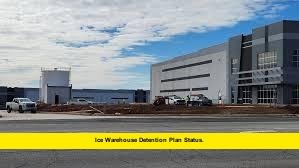

A growing political and legal battle is unfolding across the United States as the federal government continues pressing forward with controversial immigration detention expansion projects. The debate surrounding the ice warehouse detention plan status has intensified in recent months after multiple states, advocacy groups, and local communities challenged the use of industrial warehouse properties as large-scale detention facilities for migrants.
Federal officials have defended the strategy as a necessary response to increasing detention demands and mounting pressure on the immigration system. Critics, however, argue the plan raises major concerns involving human rights, environmental standards, public transparency, and the long-term direction of immigration enforcement in America.
The conflict has now evolved into one of the most closely watched domestic policy disputes of the year.
Federal Expansion Effort Continues Despite Scrutiny
The Department of Homeland Security has continued approving contracts tied to warehouse-style detention centers even as legal investigations and court actions move forward in several states.
The facilities are designed to rapidly increase detention capacity by converting large commercial buildings into secure holding centers capable of housing thousands of detainees. Supporters inside the administration argue the approach is faster and more cost-effective than constructing entirely new detention complexes from the ground up.
Officials involved in the project say many traditional detention centers are already operating near capacity. They also claim the expanded infrastructure is intended to help federal agencies process immigration cases more efficiently while strengthening enforcement operations nationwide.
Several warehouse properties under consideration are located near transportation corridors, airports, and interstate logistics hubs.
Questions Surround Procurement and Oversight
The program has also triggered growing scrutiny over how contracts were awarded and how properties were selected.
A federal watchdog investigation is currently examining whether certain acquisitions involved inflated costs or insufficient oversight during the procurement process. Internal reviews are reportedly focused on bidding procedures, contractor qualifications, and property valuations connected to several proposed facilities.
Some lawmakers have called for congressional hearings, arguing taxpayers deserve greater transparency regarding billions of dollars potentially tied to the detention expansion effort.
Political opponents have accused federal agencies of moving too quickly without fully evaluating operational risks or long-term financial consequences.
At the same time, immigration enforcement advocates insist additional detention space is necessary due to rising migrant encounters and increasing strain on existing infrastructure.
Communities Push Back Against Proposed Facilities
Across multiple states, local officials and residents have launched aggressive campaigns to stop warehouse detention projects from moving forward.
In several communities, residents expressed concern about the impact large detention centers could have on local resources, traffic patterns, public utilities, and emergency services.
Public meetings tied to proposed projects have often drawn heated debate.
Some local leaders argued they were not properly consulted before federal agencies began negotiations with property owners and developers.
Opposition groups have also raised concerns about detainee welfare inside converted industrial buildings, especially in regions with extreme temperatures during summer and winter months.
Demonstrations have taken place outside proposed sites, with activists demanding additional environmental studies and public oversight before construction proceeds.
Environmental Challenges Add New Complications
Environmental concerns have become one of the most significant obstacles facing the warehouse detention strategy.
Several lawsuits allege that federal agencies failed to complete mandatory environmental reviews before advancing construction or renovation plans.
Opponents claim some warehouse locations could place added strain on local wastewater systems and increase pollution risks in nearby communities.
Others argue the facilities may not meet residential occupancy standards because many of the buildings were originally designed strictly for commercial storage and industrial operations.
Environmental advocates are also questioning whether some projects comply with federal land-use regulations and state environmental protection laws.
Legal experts believe these environmental disputes could significantly delay multiple projects even if the federal government ultimately prevails in court.
Immigration Policy Debate Intensifies
The controversy has reignited a broader national argument over immigration enforcement priorities in the United States.
Supporters of the detention expansion say stronger infrastructure is necessary to maintain border security and ensure immigration laws are enforced consistently.
They argue that overcrowding inside existing detention centers has created operational challenges that require immediate action.
Critics counter that expanding detention capacity could lead to more aggressive enforcement tactics and longer detention periods for migrants awaiting court proceedings.
Human rights organizations have also warned against holding large populations inside converted warehouse environments for extended periods.
Some advocates are pushing for alternatives to detention programs, including expanded monitoring systems and community-based supervision models.
The issue has become especially politically charged as immigration remains one of the defining issues in national elections and congressional debates.
Court Battles Continue to Grow
The legal fight surrounding detention expansion projects continues expanding into new jurisdictions.
Several states have filed lawsuits seeking injunctions against warehouse conversions, arguing federal agencies failed to properly coordinate with local governments or comply with environmental requirements.
Judges in some cases have already issued temporary orders slowing construction activity while courts review legal challenges.
Legal analysts say the outcome of these cases could establish important precedents regarding federal authority over large-scale detention infrastructure projects.
If courts side with state governments on environmental or zoning arguments, federal agencies may face stricter limitations when pursuing future detention expansions.
On the other hand, a series of federal victories could accelerate warehouse conversions nationwide.
Political Pressure Mounts in Washington
The growing controversy is also creating political tension inside Washington.
Some lawmakers are demanding immediate audits and public hearings focused on detention spending, contractor relationships, and facility planning.
Others are urging the administration to accelerate construction, arguing the immigration system requires stronger enforcement tools.
The disagreement reflects a widening divide over how the federal government should respond to immigration challenges and border management.
Political strategists say the detention issue is likely to remain central in campaign messaging as lawmakers debate national security, immigration reform, and federal spending priorities.
Private Contractors Face Increased Attention
Another major issue involves the role of private companies participating in detention operations.
Several contractors connected to warehouse conversions are now facing questions regarding experience levels, financial structures, and operational readiness.
Critics argue the federal government may be relying too heavily on private vendors without sufficient accountability safeguards.
Industry supporters respond that private partnerships are necessary to move projects quickly and meet urgent operational demands.
The debate has renewed criticism of the broader private detention industry, which has faced years of political and legal controversy.
Impact on Local Economies Remains Unclear
Economic arguments have emerged on both sides of the debate.
Supporters claim detention projects could create construction jobs, increase local spending, and generate long-term employment opportunities tied to facility operations.
Opponents argue potential economic benefits may not outweigh social concerns or infrastructure costs.
Some local business owners worry that detention facilities could damage community reputation and discourage future investment.
Others believe federal spending tied to construction and operations could provide financial support to struggling industrial areas.
The long-term economic impact remains uncertain as projects continue moving through legal and regulatory review.
Future of the Program Still Uncertain
Despite ongoing resistance, federal agencies appear determined to continue at least portions of the detention expansion initiative.
Officials have indicated that additional sites are still under consideration in multiple regions across the country.
However, mounting lawsuits, political investigations, and community opposition could slow the pace of implementation significantly.
Analysts say the future of the program may ultimately depend on court rulings, congressional oversight decisions, and broader political changes in Washington.
The issue is expected to remain highly divisive as debates over immigration policy continue dominating national headlines.
Inside federal agencies, planning efforts reportedly remain active even as critics intensify pressure through legal action and public campaigns.
Meanwhile, activists opposing the projects are preparing additional demonstrations and organizing broader coalitions aimed at stopping future warehouse conversions before construction begins.
The next several months could prove critical in determining whether the warehouse detention initiative becomes a permanent part of the nation’s immigration infrastructure or faces major limitations through court intervention and political pressure.
As public attention continues growing, the ice warehouse detention plan status is likely to remain at the center of one of America’s most heated policy battles.