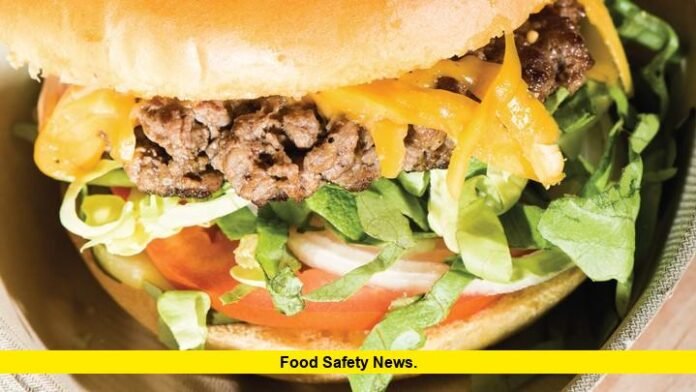

Food safety concerns are once again dominating headlines in 2026 as health officials, consumer advocates, and legal experts warn Americans about foods repeatedly linked to dangerous outbreaks. The latest food safety news centers on updated guidance from a prominent food safety attorney who has spent decades litigating cases involving deadly pathogens, contamination failures, and preventable illnesses tied to the U.S. food supply.
According to food safety litigation records and public outbreak investigations, several foods continue to appear in recurring cases involving severe infections caused by bacteria such as E. coli, Listeria monocytogenes, Salmonella, and Campylobacter. Experts say consumers should be especially cautious with products including raw milk, deli meats, sprouts, undercooked beef, and certain ready-to-eat refrigerated foods.
The renewed warnings arrive as federal agencies continue strengthening oversight following multiple nationwide recalls and hospitalizations reported over the past several years.
╔════════════════════════════════════════════════════════════════════╗
║ – Food safety experts in 2026 continue warning consumers about recurring outbreak-linked foods. ║
║ – Raw milk, sprouts, deli meats, and undercooked meats remain among the highest-risk products. ║
║ – According to outbreak investigations, Listeria and E. coli cases continue causing severe illnesses nationwide. ║
║ – Federal agencies are increasing surveillance and recall monitoring after multiple contamination events. ║
║ – Consumer advocates say proper refrigeration, cooking, and hygiene remain critical protections. ║
╚════════════════════════════════════════════════════════════════════╝
Why Food Safety Risks Remain a Major Concern in 2026
Foodborne illness continues to impact millions of Americans every year. As per estimates from the Centers for Disease Control and Prevention, foodborne diseases lead to roughly 48 million illnesses annually in the United States, resulting in thousands of hospitalizations and deaths.
Health investigators say many outbreaks are preventable but continue occurring because of supply-chain contamination, improper handling, inadequate refrigeration, and consumer confusion regarding food labeling and storage.
According to food safety attorneys and public health researchers, some foods repeatedly emerge in catastrophic outbreak cases because they create ideal environments for bacterial growth or are commonly consumed without sufficient cooking.
Raw Milk Continues to Spark Major Safety Debates
One of the strongest warnings in recent food safety discussions involves raw, unpasteurized milk.
According to public health agencies and outbreak reports, raw milk can contain dangerous bacteria including Salmonella, E. coli, Listeria, and Campylobacter. Unlike pasteurized milk, raw milk does not undergo heat treatment designed to kill harmful pathogens.
Supporters of raw milk often argue it offers nutritional or probiotic benefits, but food safety experts say scientific evidence supporting those claims remains limited compared with the documented risks.
As per the U.S. Food and Drug Administration, vulnerable groups such as children, pregnant women, older adults, and immunocompromised individuals face especially serious risks from consuming unpasteurized dairy products.
Several states have also reported growing concerns over direct-farm sales and interstate distribution loopholes that complicate enforcement efforts.
Sprouts Remain a Persistent Outbreak Source
Sprouts continue appearing in major outbreak investigations due to the warm, humid growing conditions required for germination.
According to food safety specialists, those same conditions are ideal for bacterial growth. Even washing sprouts thoroughly may not fully eliminate contamination because bacteria can grow inside the sprout tissues.
Alfalfa sprouts, bean sprouts, and clover sprouts have repeatedly been associated with Salmonella and E. coli outbreaks over the years.
As per federal health guidance, consumers at high risk of severe illness are often advised to avoid raw sprouts entirely unless they are thoroughly cooked.
Restaurants and grocery chains have also faced litigation tied to contaminated sprout products linked to multi-state illnesses.
Deli Meats and Ready-to-Eat Foods Under Increased Scrutiny
Deli meats remain another major concern in 2026 due to recurring Listeria contamination risks.
According to health investigators, ready-to-eat refrigerated foods can become contaminated during slicing, packaging, or storage processes. Because many consumers eat deli meats without reheating them, bacteria may survive long enough to cause serious infections.
Listeria monocytogenes is especially dangerous because it can survive and grow in refrigerated conditions.
Pregnant women, seniors, and individuals with weakened immune systems face the highest risks. Severe listeriosis infections can result in hospitalization, miscarriage, or death.
Food safety experts now recommend reheating deli meats until steaming hot whenever possible, particularly for vulnerable populations.
Timeline of Major Food Safety Concerns
| Year | Major Food Safety Issue | Key Concern |
|---|---|---|
| 2018 | Romaine lettuce outbreaks | E. coli contamination |
| 2020 | Packaged salad recalls | Multi-state illnesses |
| 2022 | Peanut butter contamination cases | Salmonella spread |
| 2024 | Frozen food recalls increase | Listeria detection |
| 2025 | Deli meat investigations intensify | Refrigerated contamination risks |
| 2026 | Updated high-risk food guidance issued | Consumer prevention awareness |
Undercooked Beef and Poultry Still Pose Serious Dangers
Despite decades of awareness campaigns, undercooked meats remain one of the leading causes of foodborne illness.
According to CDC outbreak data, ground beef can carry dangerous strains of E. coli that may survive if meat is not cooked to safe internal temperatures.
Poultry products also continue contributing to widespread Salmonella and Campylobacter infections.
Food safety advocates stress that cross-contamination inside kitchens remains a major hidden problem. Cutting boards, utensils, countertops, and unwashed hands can easily transfer bacteria from raw meat to ready-to-eat foods.
Experts recommend using food thermometers rather than relying on appearance alone to determine whether meat is safely cooked.
Refrigeration Failures Are Becoming a Growing Issue
Another emerging concern highlighted in recent food safety news involves improper refrigeration throughout transportation and retail distribution networks.
According to industry analysts, growing supply-chain complexity has increased opportunities for temperature-control failures. Refrigerated foods exposed to unsafe temperatures for extended periods can rapidly develop bacterial contamination.
Consumer advocates also warn that many households unknowingly store food above recommended refrigerator temperatures.
The FDA recommends keeping refrigerators at or below 40°F and freezers at 0°F to minimize bacterial growth.
Experts Say Consumers Need Better Food Safety Education
Public health professionals argue that food safety education remains inconsistent across the country.
As per university extension programs and food science researchers, many Americans misunderstand expiration labels, safe cooking temperatures, and contamination risks associated with raw foods.
Terms such as “best by,” “sell by,” and “use by” often create confusion, leading consumers either to discard safe food unnecessarily or consume products that may no longer be safe.
Some experts are now calling for standardized labeling regulations and expanded public awareness campaigns focused on safe food handling.
Federal Agencies Increase Monitoring Efforts
Federal regulators have increased food surveillance initiatives in response to repeated outbreaks and recalls.
According to statements from the FDA and USDA, investigators are using advanced genome sequencing technology to identify contamination sources faster than in previous years.
These tools help agencies connect illnesses across multiple states and issue recalls more rapidly.
Food manufacturers are also facing stronger pressure to improve sanitation systems, environmental testing, and traceability throughout production chains.
Still, critics argue enforcement remains uneven and that staffing shortages continue limiting inspection capacity at some facilities.
What Consumers Can Do to Reduce Risk
Food safety experts say consumers can significantly reduce their risk of illness by following a few essential precautions:
- Avoid consuming raw milk and unpasteurized dairy products.
- Cook meats to recommended internal temperatures.
- Wash hands and kitchen surfaces frequently.
- Separate raw meats from ready-to-eat foods.
- Refrigerate perishable items promptly.
- Reheat deli meats before consumption when appropriate.
- Stay informed about recalls and outbreak alerts.
Experts emphasize that no food system can eliminate risk entirely, but informed consumer behavior can greatly reduce exposure to dangerous pathogens.
The ongoing attention surrounding food contamination cases demonstrates how critical transparency, regulation, and public education remain in protecting consumers across the United States.
As food safety concerns continue evolving in 2026, staying informed about recalls, contamination risks, and expert guidance could make a crucial difference for families nationwide — share your thoughts and stay tuned for more food safety updates.