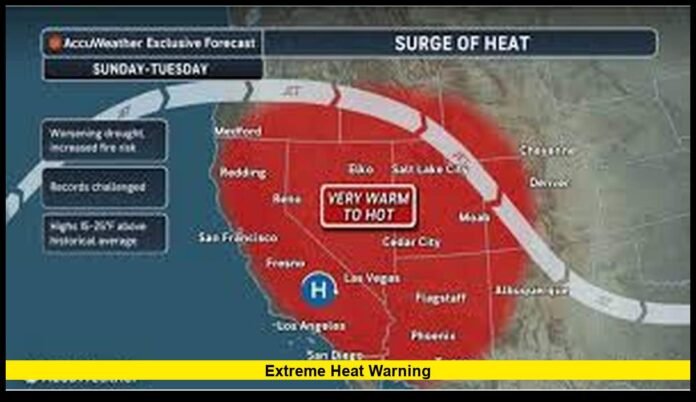

Extreme heat warning alerts remain in effect across several parts of the United States as unusually high temperatures continue building across the Southwest, Gulf Coast, and parts of the Southeast. Meteorologists expect dangerous conditions to intensify through the weekend, with millions of Americans facing elevated health risks from prolonged heat exposure and warm overnight temperatures.
Several western cities are already experiencing temperatures far above seasonal averages for early May. Forecasters expect some desert communities in California and Arizona to push past 110 degrees Fahrenheit during peak afternoon hours. At the same time, heat index values are climbing across humid southern states, creating additional concerns for outdoor workers, older adults, and people without reliable air conditioning.
The developing heat pattern has triggered widespread advisories, watches, and heat-related public safety alerts. Emergency officials continue urging residents to limit outdoor activity during the hottest part of the day and remain hydrated as the country enters one of the earliest major heat events of the year.
Extreme Temperatures Arrive Earlier Than Normal
This latest stretch of intense heat stands out because it is arriving well before the traditional start of summer. Large sections of the western United States are experiencing conditions more common in June or July.
Communities across Southern California, Nevada, and Arizona have reported daytime temperatures running 15 to 20 degrees above historical averages. Cities in desert regions face the highest risks, especially where dry conditions and strong sunshine are accelerating daytime warming.
Weather experts say early-season heat can create additional dangers because many people have not yet adjusted physically to prolonged high temperatures. The human body requires time to adapt to heat stress, and sudden spikes in temperature can increase the risk of illness.
Residents across several states have already begun searching for cooling centers, hydration stations, and emergency heat resources as local governments prepare for potentially record-setting conditions.
California Faces Some of the Most Dangerous Conditions
California remains one of the hardest-hit states during the ongoing heat surge. Desert communities in Riverside County and Imperial County are seeing especially dangerous conditions during afternoon and evening hours.
Palm Springs, Indio, and surrounding areas continue to experience triple-digit temperatures. Forecasters warned that pavement surfaces, parked vehicles, and outdoor recreational areas may become extremely hazardous during peak heat.
Several inland communities are also dealing with elevated fire danger due to dry vegetation and low humidity levels. Emergency agencies have reminded residents to avoid outdoor burning and use caution with equipment that may create sparks.
The combination of heat and dry weather has increased concerns about wildfire risks heading deeper into spring.
Arizona Cities Prepare for Extended Heat
Arizona continues facing intense heat as high-pressure systems strengthen across the region. Phoenix and nearby communities are expected to remain under dangerous conditions for several days.
Local officials have expanded cooling center operations and public outreach programs to protect vulnerable residents. Shelters and community organizations are distributing water supplies and heat safety information in urban areas where temperatures remain elevated long after sunset.
Warm overnight lows are becoming one of the most serious concerns. In some desert locations, nighttime temperatures may stay above 80 degrees, leaving little opportunity for homes and buildings to cool naturally.
Medical professionals warn that prolonged exposure to high overnight temperatures can place additional strain on the body, especially for seniors and people with underlying health conditions.
Southern States See Rising Heat Index Levels
While the Southwest experiences dry heat, southern states are dealing with increasing humidity levels that make conditions feel even hotter.
Florida, southern Texas, Louisiana, and parts of the Gulf Coast are seeing heat index values rise well above actual air temperatures. Humidity slows the body’s ability to cool itself through sweating, creating more dangerous outdoor conditions.
In many southern communities, afternoon heat index readings may climb above 100 degrees during the weekend.
Public health agencies are encouraging residents to:
- Drink water regularly
- Avoid excessive caffeine and alcohol
- Take breaks in shaded or air-conditioned spaces
- Wear lightweight clothing
- Watch for signs of heat exhaustion
Officials also continue warning against leaving children or pets inside parked vehicles, even for short periods.
Millions Under Heat Alerts Across the Country
Millions of Americans are currently living under some form of heat advisory or warning as federal and local weather agencies monitor the evolving situation.
The broad heat dome stretching across western states has become one of the dominant weather patterns of the week. High-pressure systems trap warm air near the surface and suppress cloud formation, allowing temperatures to rise rapidly during daylight hours.
Meteorologists expect the hottest conditions to continue through the upcoming week before some areas potentially experience modest cooling trends.
Still, long-range outlooks suggest warmer-than-average temperatures could continue across large sections of the country throughout late spring.
Why an Extreme Heat Warning Matters
An extreme heat warning is one of the most serious heat-related alerts issued in the United States. It signals that dangerous temperatures or heat index values could create life-threatening conditions.
Warnings are typically issued when:
- Temperatures remain dangerously high for extended periods
- Overnight cooling stays limited
- Humidity intensifies heat stress
- Health risks rise sharply for vulnerable populations
Officials emphasize that heat kills more Americans annually than many other weather disasters combined. Unlike hurricanes or tornadoes, heat-related illnesses can develop gradually and sometimes go unnoticed until symptoms become severe.
Common signs of heat exhaustion include:
- Heavy sweating
- Dizziness
- Weakness
- Headaches
- Nausea
- Muscle cramps
Heat stroke represents a medical emergency and may include confusion, loss of consciousness, or dangerously high body temperatures.
Urban Areas Face Additional Challenges
Major metropolitan areas often become significantly hotter than surrounding rural communities because of the urban heat island effect.
Concrete, asphalt, and buildings absorb and retain heat throughout the day. As a result, cities can remain dangerously warm long after sunset.
Communities with limited tree coverage and dense development often experience the highest nighttime temperatures. This creates added risks for residents without air conditioning or stable housing.
Several cities across the western and southern United States are now investing in:
- Expanded tree planting programs
- Cooling shelters
- Public misting stations
- Heat emergency outreach teams
- Reflective roofing initiatives
These efforts aim to reduce long-term health impacts during increasingly frequent heat events.
Power Demand Surges During Extreme Heat
Electricity demand has risen sharply in several states as millions of residents rely on air conditioning systems to stay safe.
Energy providers continue monitoring grid stability during the ongoing heat wave. Utilities are encouraging consumers to conserve electricity during peak evening hours whenever possible.
Periods of extreme heat can place enormous stress on power infrastructure because cooling systems operate continuously for extended periods.
Emergency management officials recommend preparing for possible outages by:
- Charging phones and medical devices
- Keeping flashlights ready
- Storing extra drinking water
- Identifying nearby cooling locations
- Having backup batteries available
Power outages during severe heat can quickly become dangerous, especially for people with medical conditions that require temperature-controlled environments.
Outdoor Workers Face Elevated Health Risks
Construction crews, delivery drivers, landscapers, agricultural workers, and first responders remain among the most vulnerable groups during major heat events.
Extended time outdoors under direct sunlight increases the risk of dehydration and heat-related illness. Experts recommend employers provide:
- Frequent hydration breaks
- Shaded rest areas
- Adjusted work schedules
- Emergency medical protocols
Some employers across the Southwest have already shifted work hours to early morning periods to reduce exposure during peak afternoon heat.
Labor safety advocates continue calling for stronger protections as heat waves become more intense and frequent.
Read More – Heat Advisory Los Angeles
Travel Disruptions Possible During Heat Events
Extreme temperatures can also affect transportation systems across the country.
Airlines sometimes face operational delays during severe heat because high temperatures impact aircraft performance. Roads and rail infrastructure may also experience stress during prolonged heat waves.
Drivers traveling across desert highways are being encouraged to:
- Carry extra water
- Check vehicle cooling systems
- Avoid midday breakdown risks
- Monitor tire pressure carefully
Vehicle interiors can reach deadly temperatures within minutes under direct sunlight.
Wildfire Concerns Increase Across the West
The combination of dry weather, strong sunshine, and rising temperatures has also heightened wildfire concerns across western states.
Forecasters continue monitoring dry vegetation conditions in California, Arizona, Nevada, and New Mexico. Even small sparks can spread rapidly under hot and windy conditions.
Fire officials are urging residents to avoid activities that could accidentally ignite fires, including:
- Improper disposal of cigarettes
- Outdoor equipment use during windy periods
- Unattended campfires
- Parking vehicles on dry grass
Several communities have already begun seasonal wildfire preparedness efforts earlier than usual due to persistent dryness and heat.
Pets and Livestock Also Face Heat Stress
Animals remain highly vulnerable during extreme heat events.
Veterinarians continue warning pet owners about the dangers of hot pavement, overheating, and dehydration. Pavement surfaces can become hot enough to burn paws within seconds during peak afternoon hours.
Pet safety recommendations include:
- Walking animals early in the morning
- Providing constant fresh water
- Keeping pets indoors during peak heat
- Watching for excessive panting or weakness
Farmers and ranchers are also monitoring livestock closely as water demands increase during prolonged hot weather.
Schools and Sports Programs Adjust Schedules
Some schools and athletic programs are modifying outdoor activities because of dangerous temperatures.
Coaches and event organizers continue reviewing safety plans for practices, tournaments, and recreational events held outdoors.
Sports medicine experts emphasize the importance of:
- Frequent hydration
- Cooling breaks
- Reduced training intensity
- Monitoring athletes for symptoms of overheating
Young athletes can face rapid heat stress during intense physical activity, especially during early-season heat waves.
Climate Trends Continue Shaping Heat Patterns
Scientists continue studying how warming climate conditions may influence the intensity and duration of heat events across the United States.
Recent years have brought multiple record-breaking summers marked by:
- Longer heat waves
- Earlier seasonal heat
- Warmer overnight temperatures
- Increased heat-related emergencies
Several western cities have already reported growing numbers of triple-digit temperature days over the past decade.
Climate specialists note that rising overnight temperatures may become one of the most dangerous aspects of future heat events because the body receives less recovery time between hot days.
Health Experts Urge Immediate Precautions
Medical professionals continue stressing that preparation and awareness remain the best defense during dangerous heat.
People living alone, older adults, and residents without reliable cooling systems face the highest risks during prolonged heat waves.
Health agencies recommend checking on neighbors and family members regularly during periods of extreme heat.
Simple precautions can save lives:
- Stay indoors during peak afternoon heat
- Drink water consistently
- Wear light-colored clothing
- Use fans and air conditioning
- Avoid intense physical activity outdoors
Officials also remind residents that thirst alone may not indicate dehydration, especially among older adults.
More Heat Expected Through Late Spring
Forecasters expect additional rounds of above-average temperatures across many parts of the country during the coming weeks.
Long-range outlooks continue favoring warmer-than-normal conditions across the West, Gulf Coast, and portions of the South as spring transitions toward summer.
Emergency management agencies remain on alert as heat season begins earlier than many communities anticipated.
Residents across affected states are encouraged to continue monitoring local alerts and prepare for potentially dangerous weather conditions throughout May.
Have extreme temperatures already impacted your community this spring? Share your experience and stay alert as dangerous heat continues spreading across the United States.