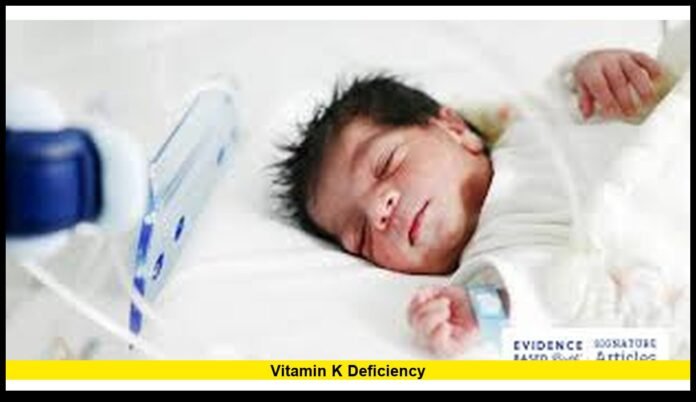

Vitamin K deficiency is becoming a growing topic in the United States as doctors continue warning families about the risks linked to low vitamin K levels in both newborns and adults. Medical experts in 2026 are especially focused on rising concerns surrounding infant bleeding disorders, nutrition gaps, digestive illnesses, and increasing refusal rates of newborn vitamin K injections in some areas of the country.
The condition affects the body’s ability to form blood clots properly. Without enough vitamin K, even a small injury can lead to dangerous bleeding. In severe cases, internal bleeding may occur in the brain, digestive tract, or other organs. Healthcare professionals say many cases remain preventable with proper medical care, balanced nutrition, and early diagnosis.
Vitamin K has remained an essential nutrient in American healthcare discussions for decades, but recent attention has increased after newer nationwide hospital analyses showed a steady rise in the number of parents declining vitamin K shots for newborn babies. Pediatric specialists say this trend could increase the likelihood of preventable infant emergencies in the coming years.
What Is Vitamin K and Why the Body Needs It
Vitamin K is a fat-soluble vitamin that helps the body activate proteins needed for blood clotting. The nutrient also supports healthy bones and helps regulate calcium within the body.
There are two major forms of vitamin K:
| Type | Common Sources | Main Role |
|---|---|---|
| Vitamin K1 | Leafy vegetables | Blood clotting |
| Vitamin K2 | Fermented foods and gut bacteria | Bone and heart health |
Most adults receive enough vitamin K through a healthy diet and natural bacteria inside the digestive system. However, some people struggle to absorb or maintain proper levels because of medical conditions, medications, or poor nutrition.
Doctors say vitamin K deficiency can affect anyone, but newborn babies face the highest risk because they naturally enter the world with very low vitamin K stores.
Why Newborn Babies Face the Greatest Danger
Babies are born with limited vitamin K for several reasons. Vitamin K does not pass efficiently through the placenta during pregnancy, and newborn digestive systems lack the healthy bacteria that later help produce vitamin K naturally.
Breast milk also contains low levels of the nutrient. Because of this combination, infants can develop a serious condition known as Vitamin K Deficiency Bleeding, often called VKDB.
This disorder can cause severe internal bleeding during the first weeks or months of life. In some cases, bleeding occurs inside the brain without any visible warning signs.
Doctors across the United States continue recommending a vitamin K injection shortly after birth to prevent these complications. Hospitals have used the injection routinely for decades, and pediatricians consider it one of the most effective preventive treatments in newborn care.
Rising Refusal Rates in the U.S. Spark Concern
Recent hospital data analyzed nationwide revealed that more American parents are refusing newborn vitamin K injections than in previous years.
Medical researchers studying millions of births between 2017 and 2024 observed a significant increase in refusal rates. Some hospitals reported refusal levels exceeding earlier expectations, especially in certain birth centers and communities influenced by misinformation online.
Doctors say the increase worries pediatric specialists because babies who skip the vitamin K shot face much higher risks of dangerous bleeding events.
Healthcare professionals continue stressing several facts:
- The vitamin K shot has a long safety record
- The injection protects babies for months
- Newborns naturally lack enough vitamin K at birth
- Internal bleeding can occur suddenly without obvious symptoms
Pediatric emergency physicians say late-stage VKDB remains especially dangerous because parents may not realize bleeding is happening until a severe crisis develops.
Types of Vitamin K Deficiency Bleeding
Doctors classify VKDB into three categories based on when symptoms appear.
Early VKDB
This type develops within the first 24 hours after birth. It often affects babies whose mothers used medications that interfere with vitamin K metabolism during pregnancy.
Classic VKDB
Classic VKDB usually appears between the second and seventh day after birth.
Symptoms may include:
- Bleeding from the umbilical cord
- Bruising
- Bleeding after circumcision
- Blood in stool
- Vomiting blood
Late VKDB
Late VKDB is the most dangerous form. It typically develops between two weeks and six months of age.
Many babies with late VKDB suffer bleeding inside the brain. This can lead to:
- Seizures
- Brain injury
- Developmental problems
- Death in severe cases
Doctors continue emphasizing that late VKDB is largely preventable when infants receive vitamin K immediately after birth.
Common Symptoms of Vitamin K Deficiency in Adults
Adults can also develop low vitamin K levels, especially if they have digestive disorders or poor nutrient absorption.
Symptoms may include:
- Frequent bruising
- Nosebleeds
- Bleeding gums
- Heavy menstrual bleeding
- Blood in urine
- Blood in stool
- Slow healing wounds
- Excessive bleeding after surgery
Some adults experience no symptoms initially. Doctors sometimes discover the problem during routine blood clotting tests.
Health Conditions That Increase Risk
Several medical conditions can interfere with vitamin K absorption inside the body.
Celiac Disease
Damage to the small intestine may reduce the body’s ability to absorb fat-soluble vitamins.
Crohn’s Disease
Chronic intestinal inflammation can interfere with nutrient absorption over time.
Liver Disease
The liver helps produce clotting proteins activated by vitamin K. Liver disorders can disrupt this process.
Gallbladder Disorders
The gallbladder supports digestion of fats, which is necessary for vitamin K absorption.
Cystic Fibrosis
Digestive complications linked to cystic fibrosis may lower vitamin absorption.
Chronic Malnutrition
Poor dietary intake may eventually lead to low vitamin K levels, especially in older adults.
Medications Linked to Vitamin K Problems
Some medications can interfere with vitamin K activity or reduce absorption.
These include:
- Blood thinners such as warfarin
- Long-term antibiotics
- Certain anti-seizure drugs
- Some cholesterol medications
- Weight-loss drugs that block fat absorption
Doctors warn patients not to suddenly increase vitamin K intake while taking blood thinners because it may affect medication effectiveness.
Foods That Naturally Support Healthy Vitamin K Levels
Nutrition experts encourage Americans to eat foods naturally rich in vitamin K.
Top Sources of Vitamin K1
- Kale
- Spinach
- Broccoli
- Collard greens
- Romaine lettuce
- Brussels sprouts
- Swiss chard
Top Sources of Vitamin K2
- Natto
- Cheese
- Egg yolks
- Fermented vegetables
- Liver
Healthy oils such as soybean oil and canola oil also contain vitamin K.
Doctors recommend balanced eating patterns instead of relying heavily on supplements unless deficiency has been diagnosed medically.
Also Read – Vitamin D Food Interactions
Daily Vitamin K Recommendations
Current nutrition guidance in the United States generally recommends:
| Group | Suggested Daily Intake |
|---|---|
| Adult Men | 120 mcg |
| Adult Women | 90 mcg |
| Pregnant Women | 90 mcg |
| Breastfeeding Women | 90 mcg |
Individual needs may vary depending on health conditions and medication use.
How Doctors Diagnose Vitamin K Deficiency
Doctors use blood testing and medical history evaluations to diagnose deficiency.
Testing may include:
- Prothrombin time testing
- Clotting factor studies
- Liver function tests
- Nutritional evaluations
- Vitamin level analysis
In emergency newborn cases, doctors often begin treatment immediately if VKDB is suspected.
Current Treatment Options Available
Treatment depends on how severe the deficiency becomes.
Vitamin K Injections
Doctors often use injections for newborns and severe adult cases because they work quickly.
Oral Supplements
Mild deficiencies may improve through supplements and dietary adjustments.
Dietary Changes
Nutrition plans focusing on leafy greens and healthy fats can help support recovery.
Hospital Care
Severe bleeding cases may require:
- Blood transfusions
- Intensive monitoring
- Surgery in emergency situations
Prompt treatment often improves outcomes significantly.
The Link Between Vitamin K and Bone Health
Researchers continue studying vitamin K’s role in bone strength and fracture prevention.
Vitamin K helps activate proteins involved in bone mineralization. Some studies suggest proper vitamin K levels may support healthier bones in older adults.
Scientists are also examining potential cardiovascular benefits related to calcium regulation, although blood clotting remains the vitamin’s best-known role.
Misinformation Continues to Influence Parents
Healthcare providers across the United States remain concerned about misinformation circulating online regarding newborn vitamin K injections.
Some social media claims have discouraged parents from accepting the injection despite decades of medical use and safety monitoring.
Doctors say one of the biggest challenges in 2026 involves helping families separate verified medical information from unsupported online claims.
Pediatricians continue encouraging parents to discuss concerns directly with licensed healthcare professionals before making newborn care decisions.
Warning Signs Parents Should Never Ignore
Doctors urge immediate emergency evaluation if a baby develops:
- Unusual bruises
- Pale skin
- Extreme sleepiness
- Vomiting
- Seizures
- Bleeding from the nose
- Blood in stool
- Persistent crying
- Swelling around the head
These symptoms may indicate internal bleeding that requires urgent treatment.
Can Vitamin K Deficiency Be Prevented?
Doctors say most cases are preventable.
Helpful prevention strategies include:
- Receiving newborn vitamin K injections
- Eating balanced meals rich in green vegetables
- Treating digestive disorders early
- Monitoring medication interactions
- Following medical nutrition guidance
Routine healthcare visits also help doctors identify deficiencies before complications become severe.
How Hospitals Are Responding in 2026
Many hospitals and pediatric clinics across the country are increasing educational efforts related to vitamin K deficiency.
Some facilities now provide:
- New parent counseling sessions
- Educational materials before delivery
- Pediatric nutrition guidance
- Follow-up monitoring for at-risk infants
Healthcare providers hope these efforts will improve understanding and reduce preventable bleeding emergencies.
Why Public Awareness Matters
Doctors believe greater awareness can save lives, especially among newborns.
Many severe bleeding cases happen because parents do not recognize symptoms until the condition becomes critical. Pediatric specialists say early education remains one of the strongest tools for prevention.
Medical professionals also stress that vitamin K deficiency often develops silently before symptoms appear.
That is why preventive care continues to play such an important role in American healthcare recommendations.
The Future of Vitamin K Research
Researchers continue studying how vitamin K affects:
- Infant development
- Bone density
- Heart health
- Aging populations
- Chronic disease management
Scientists are also monitoring national birth data closely to determine whether rising refusal rates lead to more documented cases of VKDB in the future.
Healthcare experts expect vitamin K deficiency awareness campaigns to continue growing throughout 2026 as hospitals and pediatricians work to improve public understanding.
Important Facts Americans Should Remember
Here are several key facts doctors continue emphasizing:
- Vitamin K is essential for healthy blood clotting
- Newborn babies naturally have low vitamin K levels
- Vitamin K deficiency bleeding can become life-threatening
- The newborn vitamin K injection provides long-term protection
- Adults with digestive disorders may face increased risk
- Healthy diets help maintain proper vitamin K levels
- Early diagnosis greatly improves treatment outcomes
Medical professionals continue encouraging families to stay informed and seek medical care promptly if symptoms appear.
Vitamin K deficiency remains one of the most preventable health risks linked to dangerous bleeding disorders, and growing awareness may help more families protect their long-term health.