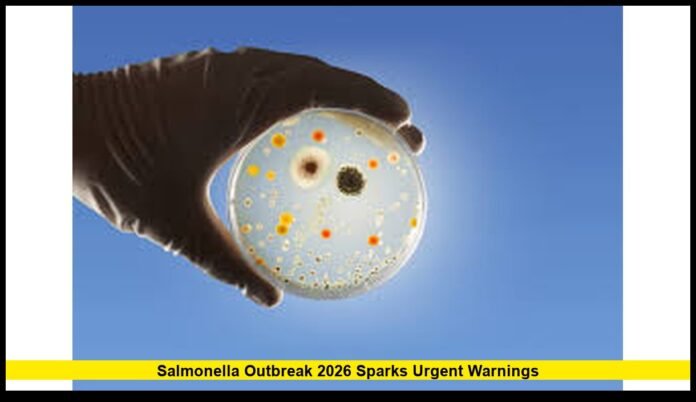

The salmonella outbreak 2026 is rapidly becoming a major public health concern in the United States, with multiple incidents linked to both backyard poultry and widely distributed food products. Health officials are tracking cases across several states, and new developments continue to emerge as investigators work to contain the spread and identify all possible sources of contamination.
Early reports show dozens of confirmed illnesses connected to live poultry exposure, while separate food-related alerts have added another layer of concern. The situation highlights how easily Salmonella can move from farms and production facilities into homes, affecting individuals who may not even realize they are at risk.
Rising Cases Across Multiple States
Recent data shows that at least 34 individuals across 13 states have fallen ill in connection with a multistate outbreak tied to backyard poultry. These numbers reflect only reported cases, and health officials believe the actual total may be significantly higher due to underreporting.
Among those infected, a notable portion required hospitalization, indicating that the illness can become severe in certain cases. Children have been disproportionately affected, particularly those under the age of five. This pattern has raised concerns among health experts, as younger individuals tend to have weaker immune defenses against foodborne bacteria.
Although no deaths have been reported, the number of hospitalizations underscores the seriousness of the outbreak. Public health agencies continue to monitor the situation closely, as additional cases may surface in the coming weeks.
If you or someone in your household has recently experienced symptoms like fever or stomach illness, it may be worth reviewing recent exposures and food handling practices.
Backyard Poultry: A Growing Source of Infection
Investigators have identified backyard poultry as a key source of infection in the current outbreak. Chickens and ducks can carry Salmonella bacteria without appearing sick, making it difficult for owners to recognize the risk.
In many cases, individuals who became ill reported recent contact with live poultry or environments where birds are kept. This includes:
- Handling birds directly
- Cleaning coops or cages
- Collecting eggs
- Touching contaminated surfaces
The bacteria can easily transfer from hands to the mouth, especially if proper hygiene practices are not followed.
The popularity of backyard poultry has increased significantly in recent years, with more households raising chickens for fresh eggs. While this trend offers benefits, it also increases the likelihood of exposure to harmful bacteria if safety precautions are not strictly followed.
Understanding How Salmonella Spreads
Salmonella spreads primarily through the ingestion of contaminated substances. This can happen in several ways:
- Eating undercooked or contaminated food
- Touching infected animals or surfaces
- Failing to wash hands after exposure
In the case of backyard poultry, even indirect contact can lead to infection. For example, bacteria can linger on shoes, clothing, or tools used in coop areas and then be carried into the home.
This makes it essential for poultry owners to maintain strict separation between animal environments and living spaces.
Food Product Alerts Add to the Concern
In addition to poultry-related cases, recent alerts involving packaged food products have heightened public concern. Certain frozen breakfast items have been flagged due to potential contamination risks linked to their ingredients.
Consumers are being urged to carefully check packaging, storage conditions, and product labels before consumption. While no illnesses have been directly tied to these specific products so far, the alerts demonstrate how contamination can occur at various stages of the food supply chain.
Other recalled items include beverage and dessert mixes distributed through food service channels. Some of these products may have reached households through bulk purchases or online orders, increasing the importance of staying informed about recalls.
Antibiotic Resistance Raises New Challenges
One of the more concerning aspects of the outbreak is the detection of Salmonella strains that may not respond to certain antibiotics. This development complicates treatment options, particularly for individuals who develop severe symptoms.
Antibiotic resistance does not mean infections cannot be treated, but it can limit the effectiveness of commonly used medications. This increases the importance of early detection, supportive care, and preventive measures.
Health professionals are continuing to analyze samples to better understand the resistance patterns and adjust treatment recommendations accordingly.
Recognizing the Symptoms Early
Salmonella infections typically develop within 6 hours to 6 days after exposure. Symptoms can vary from mild to severe and often include:
- Diarrhea
- Fever
- Abdominal cramps
- Nausea
- Vomiting
Most individuals recover within a week without medical intervention. However, dehydration and complications can occur, especially in vulnerable groups.
Severe symptoms that require medical attention include:
- Persistent high fever
- Bloody diarrhea
- Signs of dehydration
- Prolonged illness lasting more than a few days
Who Faces the Highest Risk?
Certain populations are more likely to experience severe illness from Salmonella infection. These include:
- Young children
- Older adults
- Pregnant individuals
- People with weakened immune systems
In the current outbreak, a large percentage of cases involve children, making household precautions even more critical. Parents and caregivers should be especially cautious when children are around animals or food preparation areas.
Inside the Investigation Effort
Public health teams are working to trace the origins of the outbreak and prevent further spread. This process involves:
- Conducting interviews with affected individuals
- Analyzing laboratory samples
- Tracking distribution chains for poultry and food products
- Monitoring patterns across states
Investigators are also collaborating with agricultural producers and retailers to identify potential gaps in safety protocols. These efforts aim to reduce contamination risks and improve response times for future incidents.
Why Many Cases Go Unreported
The number of reported infections likely represents only a portion of the total cases. Many individuals with mild symptoms do not seek medical care, and therefore their illnesses are not officially recorded.
Additionally, testing is not always performed, especially when symptoms resolve quickly. This means that the true scale of the outbreak may be much larger than current figures suggest.
This gap in reporting makes prevention strategies even more important, as individuals cannot rely solely on official numbers to assess risk.
Simple Steps to Protect Your Household
Preventing Salmonella infection requires consistent attention to hygiene and food safety practices.
When Handling Animals
- Wash hands thoroughly with soap and water after contact
- Keep poultry and their supplies outside the home
- Avoid close contact, such as kissing or holding birds near the face
- Supervise children closely around animals
In the Kitchen
- Cook poultry, eggs, and meat to safe internal temperatures
- Avoid cross-contamination by using separate cutting boards
- Clean surfaces and utensils regularly
- Refrigerate perishable foods promptly
While Shopping
- Inspect packaging carefully
- Stay updated on product recalls
- Avoid purchasing damaged or improperly stored items
Impact on Everyday Life
The salmonella outbreak 2026 has already influenced consumer behavior, with more people paying attention to food safety and handling practices. Sales of backyard poultry supplies have also come under scrutiny, as new owners seek guidance on safe practices.
Restaurants, retailers, and food producers are reviewing their safety protocols to minimize risk. Increased awareness has led to more proactive measures, including improved sanitation and stricter monitoring of supply chains.
Looking Ahead
Health officials continue to monitor the situation closely, and additional updates are expected as investigations progress. While current efforts focus on containing the outbreak, long-term strategies will likely include improved education, stronger regulations, and enhanced monitoring systems.
The evolving nature of the outbreak serves as a reminder that food safety is a shared responsibility. From producers to consumers, every step in the process plays a role in preventing contamination.
What You Should Remember
- Cases have been reported across multiple states, with dozens affected
- Backyard poultry remains a significant source of infection
- Food product alerts highlight broader supply chain risks
- Children and vulnerable individuals face higher risks
- Preventive measures can significantly reduce the chance of infection
Stay informed, stay cautious, and share your perspective in the comments to help others navigate this developing situation.