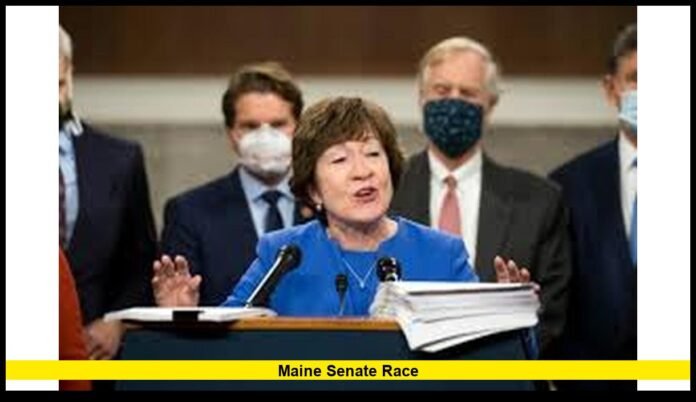

The maine senate race is moving into sharper focus as Susan Collins continues her current term and political groundwork intensifies across Maine, with both parties preparing early strategies for what could become a nationally significant contest.
Where the Race Stands Right Now
Maine’s U.S. Senate seat is not on the ballot immediately, but the groundwork for the next election is already underway. Senator Susan Collins remains one of the most prominent figures in the state’s political landscape. Her tenure spans decades, and she continues to play an active role in legislative discussions and public policy debates.
Collins has not formally declared whether she will seek another term. However, her continued visibility, fundraising activity, and engagement with voters indicate that she remains a central figure in the upcoming cycle.
Political activity surrounding this race includes:
- Early fundraising operations from both major parties
- Strategic planning by national political committees
- Increased grassroots organizing across Maine
These developments signal that the contest is already taking shape, even before official campaign announcements.
Why This Senate Seat Holds National Importance
The Maine Senate seat carries weight far beyond state borders. In recent election cycles, control of the U.S. Senate has been decided by a narrow margin. That reality places significant attention on competitive states like Maine.
Several factors explain the national focus:
- The Senate often operates with slim majorities
- Individual seats can determine legislative outcomes
- Moderate lawmakers can influence bipartisan negotiations
Susan Collins has built a reputation as a swing vote in key moments. That positioning increases the stakes for both parties, as her seat could impact national policy direction.
Susan Collins and the Power of Incumbency
Susan Collins has served in the Senate since the late 1990s, making her one of the longest-serving members of her party. Her political brand is rooted in moderation, independence, and a willingness to work across party lines.
Core Strengths
- High name recognition across Maine
- Long-standing relationships with voters
- Proven ability to win competitive elections
Her campaigns have consistently attracted support from a wide coalition that includes Republicans, independents, and some Democrats.
Evolving Political Challenges
At the same time, the political environment has shifted:
- Partisan divisions have grown nationwide
- Voter expectations have become more defined
- Campaign messaging now faces intense scrutiny
These changes create a more complex path for incumbents, even those with strong records.
Democratic Positioning and Early Moves
The Democratic Party is treating this race as a key opportunity. Party leaders have begun laying the foundation for a competitive challenge, focusing on organization and outreach.
Efforts underway include:
- Identifying candidates with statewide appeal
- Expanding fundraising networks
- Building volunteer infrastructure
Maine Democrats aim to capitalize on changing political dynamics, particularly in urban and suburban areas.
Key Strategic Priorities
- Increasing voter turnout in population centers
- Engaging younger voters
- Presenting clear contrasts on policy issues
The party’s approach reflects lessons learned from past Senate races in the state.
How Ranked-Choice Voting Shapes the Race
Maine uses ranked-choice voting in federal elections, a system that sets it apart from most states. This method has a direct impact on campaign strategy and voter behavior.
Mechanics of the System
- Voters rank candidates by preference
- If no candidate wins a majority, lower-ranked votes are redistributed
- The process continues until a candidate secures over 50%
Strategic Implications
- Candidates must appeal beyond their base
- Coalition-building becomes essential
- Campaign tone often shifts toward broader outreach
Ranked-choice voting reduces the likelihood of vote splitting and encourages more inclusive campaigning.
Understanding Maine’s Voter Landscape
Maine’s electorate plays a major role in shaping election outcomes. The state’s political culture is distinct and often defies national trends.
Key Characteristics
- A large share of independent voters
- Strong civic participation across age groups
- A balance between rural and coastal communities
Voting Behavior
- Split-ticket voting is common
- Local issues often outweigh national narratives
- Candidates with moderate positions tend to perform well
These factors make Maine one of the most unpredictable states in federal elections.
Major Issues Influencing the Campaign
As the race develops, several issues are expected to dominate voter discussions.
Economic Concerns
Voters remain focused on financial stability and opportunity:
- Cost of living pressures
- Job availability in key industries
- Support for small businesses
Healthcare Access
Healthcare continues to be a priority, especially in rural areas where access can be limited.
Energy and Environmental Policy
Maine’s economy and geography make environmental issues especially important:
- Renewable energy initiatives
- Coastal resource management
- Climate-related challenges
Federal Policy Direction
Broader national topics will also influence voter decisions:
- Government spending
- Tax policies
- Regulatory approaches
Candidates will need to address both local and national concerns effectively.
Fundraising and Campaign Resources
Financial strength plays a major role in modern political campaigns. Early indicators suggest that this race will attract significant funding.
Current Trends
- Established donor networks supporting incumbents
- Increased digital fundraising efforts
- Early investments from national organizations
Spending Priorities
Campaigns are expected to focus on:
| Area | Importance |
|---|---|
| Digital advertising | Very high |
| Grassroots organizing | High |
| Media outreach | High |
| Field operations | Essential |
The financial landscape will shape how candidates communicate with voters.
The Role of Independent Voters
Independent voters are central to Maine’s political identity. Their influence often determines election outcomes.
Why Independents Matter
- They make up a large portion of the electorate
- They are less predictable than party-aligned voters
- They respond strongly to candidate credibility and issues
Candidates must build trust across party lines to secure victory.
Historical Patterns in Maine Senate Elections
Maine has a history of electing leaders who emphasize independence and practicality.
Key Trends
- Incumbents often hold an advantage
- Moderate candidates tend to succeed
- Voters reward consistency and accessibility
These patterns provide insight into how future campaigns may unfold.
Media Attention and Public Engagement
Public interest in the race is steadily increasing. Political discussions are gaining traction across multiple platforms.
Key Developments
- Rising engagement on digital platforms
- Increased coverage from national analysts
- Early campaign messaging reaching voters
Media visibility will continue to grow as the election approaches.
Challenges for Republicans and Democrats
Republican Outlook
- Maintaining support among moderate voters
- Addressing national party dynamics
- Reinforcing local connections
Democratic Outlook
- Building recognition for potential candidates
- Mobilizing consistent voter turnout
- Presenting a compelling alternative vision
Both sides face unique challenges that will shape their strategies.
What Comes Next in the Race
Several milestones will define the trajectory of this contest:
- Official campaign announcements
- Fundraising disclosures
- Public polling data
- Debate schedules
Each stage will offer new insights into the competitiveness of the race.
Broader Impact on U.S. Politics
The outcome of Maine’s Senate contest could influence national political dynamics in several ways:
- Determining Senate control
- Shaping legislative priorities
- Influencing campaign strategies in other states
Because Maine often produces close and competitive races, it remains a key battleground.
Conclusion
The Maine Senate race is developing into a high-stakes political contest with both state and national implications. With an established incumbent, evolving voter priorities, and early strategic efforts from both parties, the race will demand careful attention in the months ahead.
Join the conversation and stay informed as new developments continue to shape this pivotal election.