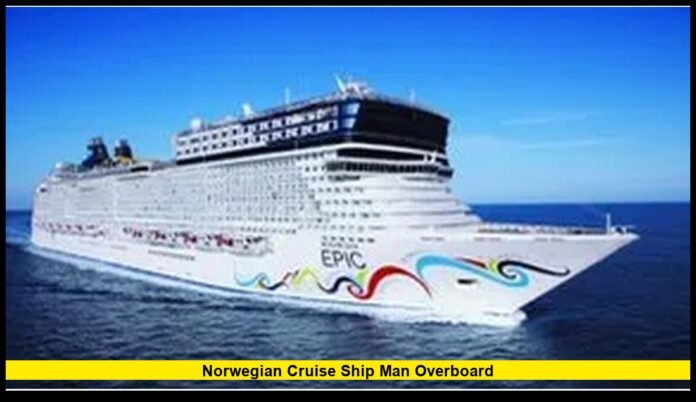

The norwegian cruise ship man overboard situation has prompted an immediate emergency response at sea, with confirmed reports that a passenger went overboard during an active voyage and triggered full rescue protocols.
Crew members acted within moments of the alert. The ship adjusted course and began coordinated recovery efforts while notifying maritime authorities. As of today, the individual has not been located, and search operations have covered a wide area around the reported point.
Incident Overview
The situation unfolded while the vessel was underway. Modern cruise ships use monitoring systems and crew patrols to detect unusual activity near open decks.
Once the man-overboard alert was confirmed:
- The ship reduced speed and turned back toward the location
- Emergency signals were activated across the vessel
- Lifebuoys and markers were released into the water
- Crew teams were deployed for immediate visual tracking
Passengers reported hearing announcements requesting help spotting anything in the water, a common step during such emergencies.
Search Operations Underway
Search efforts began almost instantly after the alert. The crew coordinated closely with maritime rescue authorities to expand the search beyond the ship’s immediate area.
Key actions included:
- Deploying rescue boats from the ship
- Conducting grid-based search patterns
- Using onboard detection systems where available
- Requesting assistance from nearby vessels
Ocean conditions play a major role in these situations. Factors like wind, waves, and visibility can significantly affect rescue outcomes.
Latest Status Update
As of the most recent confirmed information:
- The passenger remains missing
- Search teams have completed multiple sweeps of the surrounding waters
- Officials continue to assess whether to extend or conclude active search efforts
Decisions on continuing operations often depend on time elapsed and environmental conditions.
How Cruise Ships Handle Man Overboard Emergencies
Cruise lines follow strict international safety procedures designed to respond quickly and efficiently.
Typical response protocols include:
- Immediate bridge alerts and crew mobilization
- Continuous monitoring using surveillance systems
- Rapid communication with coast guard and rescue centers
- Structured search coordination both onboard and externally
These steps are designed to reduce response time and improve survival chances.
Onboard Experience During the Incident
Passengers described a serious but controlled atmosphere throughout the response. Crew members maintained clear communication while focusing on the search.
Reports from onboard included:
- Repeated announcements requesting vigilance
- Restricted access to certain deck areas
- Increased crew presence across public spaces
While operations continued, the ship maintained order to ensure passenger safety.
Understanding the Risks
Man-overboard incidents are rare but remain one of the most critical emergencies at sea.
Important points:
- Most incidents involve accidental falls or intentional actions
- Quick detection is essential for any chance of recovery
- Survival chances decline rapidly with time
Cruise operators continue improving technology to detect and respond to these events faster.
Passenger Safety Reminders
Travelers can help reduce risks by following basic safety practices:
- Do not climb or sit on railings
- Stay alert in wet or windy conditions
- Follow crew instructions at all times
- Report unsafe behavior immediately
Safety at sea depends on both crew readiness and passenger awareness.
Investigation in Progress
Authorities are reviewing the circumstances surrounding the norwegian cruise ship man overboard incident to determine exactly what occurred.
The review process includes:
- Examining surveillance footage
- Gathering statements from passengers and crew
- Reconstructing the timeline leading up to the event
This investigation will help clarify the cause and identify any additional safety considerations.
What Comes Next
The next phase depends on official decisions regarding the search:
- Continued monitoring of the area
- Potential suspension of active rescue efforts
- Release of findings after the investigation concludes
Cruise operators may also evaluate their response procedures as part of internal reviews.
Why This Incident Matters
Events like this draw attention because they highlight the challenges of emergencies at sea. The vast environment and limited response window make every second critical.
They also bring focus to:
- The importance of safety systems onboard
- The role of trained crew in emergency situations
- The need for constant awareness among passengers
This norwegian cruise ship man overboard case continues to unfold, and readers are encouraged to follow updates and share their thoughts as new details emerge.