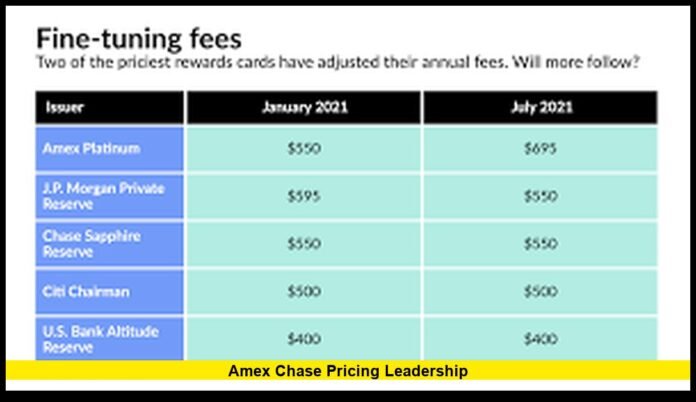

The amex chase pricing leadership race is driving major changes in the U.S. credit card market in 2026, as American Express and JPMorgan Chase continue to set the standard for fees, rewards, and premium benefits.
Both companies dominate the high-spending customer segment, but their pricing strategies differ in execution. Each issuer is redefining what “value” means for American consumers, and their decisions are influencing the entire industry.
Premium Cards Still Set the Tone
American Express and JPMorgan Chase remain the benchmark for premium credit cards. Their flagship offerings continue to anchor the top end of the market.
Recent developments show:
- Premium card annual fees remain above $550 in many cases
- Benefits have expanded instead of shrinking
- Rewards now focus heavily on travel, dining, and lifestyle spending
Rather than competing on lower prices, both companies continue to lead by enhancing perceived value.
American Express Doubles Down on High-End Pricing
American Express maintains a clear strategy: charge more, but deliver a premium experience that justifies the cost.
How Amex Leads on Pricing
- High annual fees paired with layered statement credits
- Strong focus on travel perks and exclusive access
- Emphasis on brand loyalty and customer experience
Instead of competing on everyday rewards, American Express builds value through curated benefits. Cardholders often offset fees through credits tied to travel, dining, and digital subscriptions.
This model strengthens retention and keeps spending concentrated within the Amex ecosystem.
JPMorgan Chase Focuses on Flexible Value
JPMorgan Chase takes a different approach. It balances premium pricing with broader usability.
How Chase Competes
- Strong rewards in everyday spending categories
- Flexible points redemption options
- Tiered card lineup appealing to both mid-level and premium users
Chase appeals to consumers who want value without committing to ultra-high fees. Its strategy expands its reach while still competing at the top tier.
This balance is a key reason it remains central to the amex chase pricing leadership dynamic.
Why Pricing Leadership Is So Important Now
Pricing leadership goes beyond setting annual fees. It shapes how the entire market evolves.
Key Effects Across the Industry
- Other issuers follow pricing trends set by Amex and Chase
- Rewards programs become more competitive and complex
- Consumers expect more benefits bundled into a single card
In 2026, pricing reflects a combination of financial value and lifestyle access. That shift continues to redefine consumer expectations.
Major Trends Influencing 2026 Strategies
Several clear trends are driving how both companies refine their pricing models.
1. Subscription-Style Benefits
Credit cards now resemble bundled services. Monthly credits and recurring perks keep users engaged year-round.
2. Targeting High-Spend Customers
Both issuers prioritize customers who spend heavily on travel and dining. These users generate more revenue and justify premium offerings.
3. Digital Experience as a Differentiator
Apps, real-time rewards tracking, and personalized offers are now essential. Both companies continue investing in digital tools to improve user experience.
Comparing Their Pricing Approaches
| Category | American Express | JPMorgan Chase |
|---|---|---|
| Fee Strategy | Premium-focused | Tiered pricing |
| Value Model | Lifestyle and perks | Rewards and flexibility |
| Core Audience | Affluent users | Broad premium market |
| Redemption | Benefit-driven | Points-driven |
This comparison shows how both companies lead the market without using identical strategies.
How Consumers Are Responding
U.S. cardholders are adapting to higher fees and more complex benefits.
- Many evaluate cards based on total value after credits
- Loyalty remains strong for both brands
- Some users are consolidating cards to maximize rewards
Consumers are no longer focused only on fees. They look at the full package, including perks, rewards, and usability.
Rising Competition Still Trails the Leaders
Fintech companies and traditional banks continue to introduce new products, but they have not matched the influence of these two giants.
Competitors are:
- Offering no-annual-fee alternatives
- Simplifying rewards structures
- Expanding digital-first features
Even so, American Express and JPMorgan Chase still define the premium standard.
What’s Next for Pricing Leadership
Current trends suggest that both companies will continue evolving rather than lowering prices.
Expected developments include:
- Expanded benefits tied to lifestyle and travel
- Continued adjustments to annual fees
- Greater personalization through data and spending patterns
Pricing will likely remain high, but value will become more tailored to individual users.
Conclusion
The amex chase pricing leadership competition is reshaping how Americans use and evaluate credit cards in 2026. American Express leads with premium experiences, while JPMorgan Chase offers flexibility and broader appeal.
Together, they are setting the pace for pricing, rewards, and consumer expectations across the financial industry.
Do you think today’s premium cards deliver real value, or are the rising fees becoming too much? Share your thoughts and stay tuned for more updates.