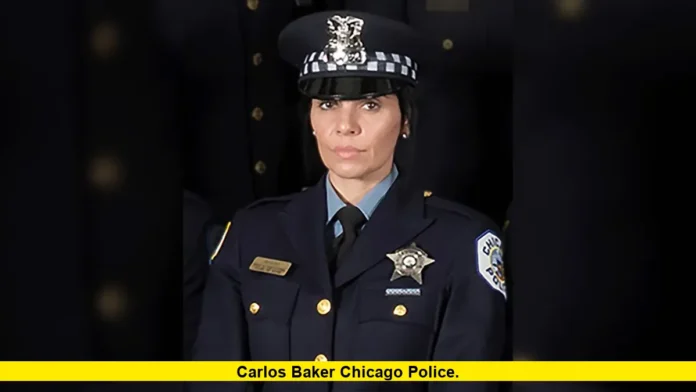

The release of new body-worn camera footage has brought fresh attention to a tragic incident involving Chicago police officers. In the video, viewers see the chaotic moments during a foot pursuit where Officer Krystal Rivera lost her life after being shot by her partner, Officer Carlos Baker Chicago police. The footage captures the intensity of the encounter in a South Side apartment building stairwell last June.
carlos baker chicago police details paint a picture of high-stress policing gone wrong. Officers responded to an armed suspect during an investigatory stop in the Chatham neighborhood. As they chased the individual into a building, a second armed man appeared, prompting rapid action. Baker fired one shot that struck Rivera instead of the threat.
The Civilian Office of Police Accountability made the video public on April 17, 2026, allowing the public to witness the sequence. It shows Baker ascending stairs after the discharge, with Rivera collapsing. He then took cover for over 90 seconds before calling for help and rendering aid to his fallen partner.
This event raises important questions about training, partner dynamics, and split-second decisions in law enforcement. Officers train extensively for active threats, yet friendly fire incidents remain rare but devastating reminders of the risks involved.
What the Footage Reveals About the Incident
Body camera angles provide multiple perspectives on the pursuit. The pair moved quickly through confined spaces, a scenario experts often call a “fatal funnel” due to limited visibility and high danger. Baker’s shot occurred amid the chaos as they confronted the armed individual.
After the discharge, Baker expressed immediate distress, later telling investigators he would “die for her.” The video depicts him sitting in the stairwell for an extended period before moving to assist. Rivera, a dedicated officer who graduated from the police academy in 2021, succumbed to her injuries.
The Chicago Police Department has described the shooting as unintentional. Investigations continue into the full circumstances, including prior departmental reviews of Baker’s record. He had faced discipline issues and a previous inadvertent Taser discharge in training contexts.
Partner Relationships and Policing Realities
Working as tactical team partners means spending long hours together in high-pressure environments. In this case, reports indicate Rivera and Baker had a past personal relationship that ended before the incident. Family members have alleged in legal filings that the breakup played a role in tensions, though official accounts focus on the operational error during the chase.
A unique explanation here involves the psychology of policing: adrenaline surges can affect fine motor skills and decision-making. Real-world examples from other departments show similar accidental discharges in dynamic entries, where officers must balance speed with precision. One comparison stands out with past cases where partners in close quarters experienced misfires due to tunnel vision on threats.
Opinion and analysis suggest departments must continually refine de-escalation and firearms handling under stress. While Chicago has implemented reforms, incidents like this highlight gaps in pairing officers with known interpersonal histories or unresolved issues.
After seeing the intense footage of the stairwell confrontation, many wonder how training could better prepare officers for these exact scenarios—share your thoughts on law enforcement safety measures in the comments below.
Broader Impacts on the Chicago Police Department
The loss of Officer Rivera sent shockwaves through the force. Colleagues described her as committed and community-focused. Her death prompted internal reviews of tactical team assignments and disciplinary processes.
Baker had applied for specialized units previously, with some requests denied due to past discipline before ultimately transferring. This timeline adds layers to discussions about accountability and officer wellness.
Community reactions mix grief with calls for transparency. Releasing the video aims to provide clarity, yet it also fuels debates on police tactics in urban settings. Similar pursuits in other cities have led to policy changes emphasizing communication between partners.
A real-world example comes from national statistics on law enforcement accidents. Friendly fire remains uncommon, but when it occurs, it often involves close-quarters dynamics like stairwells or vehicles. Comparisons to military operations show parallel challenges in “blue on blue” situations, where communication breakdowns amplify risks.
Analysis of the video suggests opportunities for improved equipment, such as better low-light handling or audio cues for team coordination. Departments nationwide study these events to update protocols.
Legal and Investigative Developments
Family representatives filed a wrongful death lawsuit naming Baker and the department. Allegations include failure to render timely aid and broader claims about prior knowledge of potential risks. The department maintains focus on the unintentional nature during active duty.
Investigators examined Baker’s history, including citizen complaints and internal matters. He remains with the force in a limited capacity as probes continue.
This case compares to other high-profile friendly fire incidents where civil actions led to settlements and policy shifts. Unique to this situation is the public video release timing, nearly a year later, which allows detailed public scrutiny.
Lessons for Law Enforcement Training
Deep analysis reveals the need for scenario-based training that simulates real building entries with multiple threats. Short paragraphs of instruction might cover verbal commands, weapon discipline, and immediate post-incident response.
In one opinion, enhanced mental health support for officers could prevent personal issues from intersecting with professional duties. Real-world examples from reformed departments show success with mandatory counseling after critical incidents.
Comparison to international models, where partners undergo compatibility assessments, offers potential insights. While U.S. policing emphasizes individual accountability, team dynamics deserve equal weight.
After learning more about the challenges officers face daily in pursuits like this one, consider supporting local initiatives that fund better police training and equipment—your voice can help drive positive change.
Community and Officer Safety Considerations
Residents in affected neighborhoods express both support for police and concerns over safety during operations. The Chatham area incident underscores how quickly routine stops can escalate.
Officer Rivera’s story resonates as one of service cut short. Her family seeks answers while honoring her memory through advocacy for safer practices.
Analysis indicates that body cameras, while providing transparency, also expose raw human errors under extreme pressure. This duality pushes departments toward balanced reforms that protect officers and communities alike.
A unique explanation involves the “startle response” in firearms handling—sudden threats can trigger involuntary muscle contractions. Studies in human factors engineering apply directly here, suggesting ergonomic improvements to holsters or grips.
Expanding the Conversation on Police Partnerships
Partners rely on implicit trust. When that trust intersects with personal history, complications arise. In this instance, the end of a relationship reportedly led to requests for reassignment that went unheeded in time.
Opinion holds that proactive management of interpersonal dynamics could mitigate risks. Comparison to corporate team-building or sports psychology shows value in addressing relational friction before high-stakes work.
Real-world example: Fire departments often rotate crews to avoid complacency or conflicts, a model worth exploring in policing.
The footage release invites public engagement with these complex issues without oversimplifying the dangers officers encounter every shift.
Final Reflections on Accountability and Progress
As more details emerge from ongoing reviews, the focus remains on preventing similar tragedies. Training updates, better screening for tactical units, and transparent investigations form key pillars.
This incident, while heartbreaking, contributes to the national dialogue on modern policing. Officers like Rivera and Baker entered the profession to serve, facing unpredictable realities daily.
What steps can improve officer safety and public trust moving forward? Share your perspectives below and stay informed on developments in Chicago law enforcement.