
The conversation around ehlers danlos syndrome is rapidly evolving in the United States as new medical insights, patient advocacy, and clinical updates reshape how this complex condition is understood. Once considered rare and often overlooked, EDS is now gaining broader recognition among healthcare providers and the public, leading to more diagnoses and renewed urgency around treatment gaps.
Across the country, patients are speaking out about years of unexplained symptoms, delayed diagnoses, and the daily challenges of living with a connective tissue disorder. At the same time, researchers are working to refine diagnostic criteria and uncover the biological mechanisms behind the condition, offering hope for more precise care in the future.
If you have experienced chronic joint pain, frequent injuries, or unexplained fatigue, learning more about this condition could provide important answers and help guide your next medical steps.
Taking action early—whether through medical evaluation or awareness—can make a meaningful difference in managing symptoms and improving long-term outcomes.
Understanding Ehlers-Danlos Syndrome: A Complex Genetic Condition
Ehlers-Danlos syndrome refers to a group of inherited disorders that affect connective tissue, which provides strength and elasticity to various parts of the body. This tissue is essential for maintaining the structure of skin, joints, blood vessels, and internal organs.
The root cause of EDS lies in abnormalities in collagen, a protein that plays a critical role in connective tissue integrity. When collagen does not function properly, the body becomes more prone to instability and injury.
There are several recognized subtypes of EDS, each with its own characteristics. Hypermobile EDS is the most common form and primarily affects joints, while vascular EDS is less common but more severe due to its impact on blood vessels and organs.
The diversity of symptoms and severity across subtypes makes EDS particularly challenging to diagnose and manage.
Why More Americans Are Being Diagnosed Today
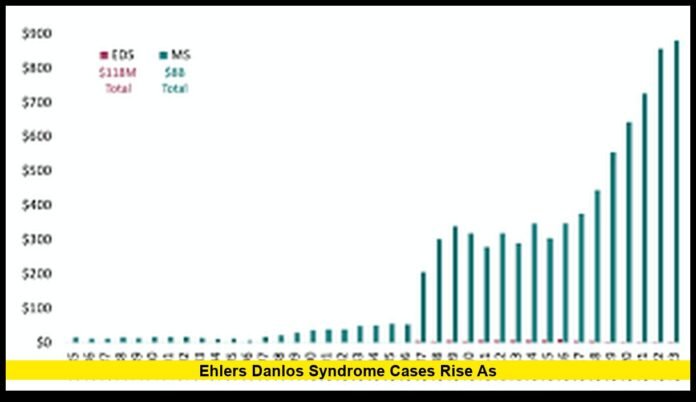
One of the most significant changes in recent years is the increase in EDS diagnoses.
This trend is not necessarily due to a sudden rise in cases. Instead, it reflects better awareness among both patients and healthcare providers. Individuals who may have previously gone undiagnosed are now being evaluated more thoroughly.
Doctors are also becoming more familiar with the signs of connective tissue disorders, which helps reduce misdiagnoses. In the past, many patients were told their symptoms were unrelated or attributed to other conditions.
Improved access to medical information has empowered patients to advocate for themselves. Many now arrive at appointments with a clearer understanding of their symptoms and potential diagnoses.
Despite this progress, a significant number of cases likely remain unrecognized, especially in individuals with less obvious symptoms.
The Ongoing Challenge of Accurate Diagnosis
Diagnosing EDS remains a complex process that often requires time and persistence.
For most subtypes, genetic testing can help confirm the diagnosis. However, hypermobile EDS does not yet have a specific genetic marker, which means doctors must rely on clinical criteria.
This includes evaluating joint flexibility, skin characteristics, and personal and family medical history. The process can vary between providers, leading to inconsistencies in diagnosis.
Many patients report waiting years before receiving a definitive diagnosis. During this time, they may undergo multiple tests and consultations without clear answers.
Delayed diagnosis can have serious consequences. Without proper management, symptoms may worsen, and complications may develop.
Efforts are underway to improve diagnostic consistency and reduce the time it takes for patients to receive answers.
New Diagnostic Criteria Expected to Improve Clarity
Medical experts are working on updated diagnostic guidelines for EDS, with changes expected to be finalized in the near future.
These updates aim to simplify the classification of different subtypes and provide clearer criteria for diagnosis. The goal is to make it easier for healthcare providers to identify EDS accurately and earlier in the disease course.
The revised framework is also expected to incorporate new scientific findings, including insights from genetic research and clinical studies.
For patients, these changes could mean fewer misdiagnoses, shorter diagnostic timelines, and better access to appropriate care.
Recognizing the Symptoms: More Than Just Flexible Joints
EDS is often associated with joint hypermobility, but its symptoms extend far beyond flexibility.
Common signs include:
- Frequent joint dislocations or instability
- Chronic musculoskeletal pain
- Fatigue that does not improve with rest
- Skin that is soft, stretchy, or easily damaged
In addition to these symptoms, many patients experience complications affecting other systems in the body. These can include digestive issues, cardiovascular concerns, and problems with the autonomic nervous system.
Because symptoms vary widely, EDS can mimic other conditions, which adds to the difficulty of diagnosis.
Understanding the full range of symptoms is key to recognizing the condition early.
Daily Life With EDS: A Constant Balancing Act
Living with EDS requires ongoing management and adaptation.
Many individuals must carefully monitor their physical activity to avoid injury while still maintaining strength and mobility. Physical therapy often plays a central role in treatment, helping to stabilize joints and reduce pain.
Pain management is another critical aspect of care. This may involve a combination of medications, lifestyle adjustments, and alternative therapies.
Fatigue can also be a major challenge, affecting the ability to work, attend school, or participate in daily activities.
For some patients, the invisible nature of the condition can lead to misunderstandings or lack of support from others.
Despite these challenges, many individuals with EDS find ways to adapt and lead fulfilling lives with the right support and resources.
Treatment Options and Emerging Research
There is currently no cure for Ehlers-Danlos syndrome, but treatment strategies continue to evolve.
Care typically focuses on managing symptoms and preventing complications. This may include:
- Physical therapy to improve joint stability
- Pain management strategies tailored to individual needs
- Regular monitoring for potential complications
- Lifestyle changes to reduce strain on joints and tissues
Research is ongoing to better understand the underlying causes of EDS and develop targeted treatments. Scientists are exploring genetic pathways, collagen production, and potential therapies that could address the condition at its source.
While these developments are still in progress, they represent an important step toward more effective care.
The Importance of Specialized Care and Support
Managing EDS often requires a multidisciplinary approach.
Patients may work with a range of specialists, including rheumatologists, geneticists, physical therapists, and cardiologists. Coordinated care helps address the various aspects of the condition.
Support groups and advocacy organizations also play a vital role. They provide resources, education, and a sense of community for individuals navigating the challenges of EDS.
Access to knowledgeable healthcare providers remains a key factor in improving outcomes for patients.
Raising Awareness and Reducing Delays
Increased awareness is helping to change the landscape of EDS care.
More healthcare providers are receiving education on connective tissue disorders, which improves recognition and diagnosis. Public awareness campaigns are also helping individuals identify symptoms and seek evaluation.
As awareness grows, the hope is that fewer patients will experience long delays before receiving a diagnosis.
This shift is critical for improving quality of life and reducing complications.
Looking Ahead: Progress and Possibility
The future of EDS care is shaped by a combination of research, awareness, and patient advocacy.
Advances in genetics and diagnostic criteria are expected to improve accuracy and reduce uncertainty. Continued research may lead to new treatments that address the underlying causes of the condition.
For now, the focus remains on improving recognition, supporting patients, and expanding access to care.
The growing attention on ehlers danlos syndrome marks an important step forward, signaling a broader commitment to understanding and addressing this complex condition.
Have you experienced symptoms or challenges related to EDS? Share your story or stay informed as new developments continue to shape the future of care.