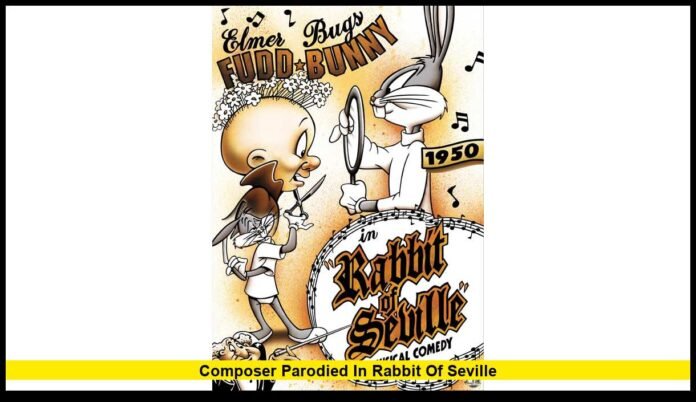

The composer parodied in Rabbit of Seville is Gioachino Rossini, whose opera music powers one of the most iconic animated shorts ever created—and it continues to captivate U.S. audiences today.
More than 70 years after its release, Rabbit of Seville remains widely viewed on streaming platforms and video-sharing sites. Its clever fusion of classical music and fast-paced animation keeps it relevant, introducing new generations to Rossini’s legendary compositions.
Meet the Composer Behind the Cartoon
Gioachino Rossini was a leading Italian composer of the early 1800s. Born in 1792, he became famous for writing operas filled with energy, humor, and memorable melodies.
His most celebrated work, The Barber of Seville, premiered in 1816. The overture from that opera serves as the musical backbone of Rabbit of Seville.
Rossini’s music stands out for:
- Quick tempo shifts
- Dramatic crescendos
- Playful, rhythmic patterns
These traits made his compositions perfect for animation decades later.
What Makes Rabbit of Seville So Unique
Released in 1950 and directed by Chuck Jones, Rabbit of Seville features Bugs Bunny and Elmer Fudd in a chaotic barber shop chase.
What sets it apart is its structure. The entire cartoon follows Rossini’s overture, with every movement timed to the music.
Instead of relying on dialogue, the story unfolds through:
- Musical cues
- Visual gags
- Perfectly synchronized action
The result is a fast-moving, highly choreographed short that blends comedy with classical performance.
How Rossini’s Opera Was Transformed
The creators didn’t simply borrow the music—they built the cartoon around it.
Animators mapped each scene to specific moments in the score. This required precise planning and timing.
Key techniques included:
- Matching character movements to musical beats
- Aligning visual punchlines with crescendos
- Structuring scenes based on the overture’s flow
This approach preserved the original composition while making it accessible and entertaining.
Why the Composer Parodied in Rabbit of Seville Still Matters Today
Interest in Rossini’s work has grown again in recent years, especially among younger audiences.
Several trends explain this resurgence:
Streaming Access
Classic Looney Tunes shorts are now easier to find online. Viewers can revisit or discover Rabbit of Seville instantly.
Social Media Virality
Clips from the cartoon often go viral. Many highlight the perfect timing between music and animation.
Educational Appeal
Teachers use the short to introduce students to opera. It offers a simple way to understand musical storytelling.
Cross-Generational Popularity
Parents who grew up with Bugs Bunny now share the cartoon with their kids, keeping it relevant.
Cultural Impact Across the United States
Rossini’s influence extends far beyond opera houses.
His music, boosted by Rabbit of Seville, appears in:
- Movies and TV shows
- Commercials and advertisements
- Sports and entertainment events
The cartoon helped normalize classical music in mainstream American culture.
It also proved that high art and humor can work together seamlessly.
Behind the Animation: Precision and Creativity
Creating Rabbit of Seville required careful coordination.
Chuck Jones and his team studied the music closely before animating. Each sequence was planned frame by frame.
The production process involved:
- Detailed storyboards aligned with the score
- Exact timing calculations for every movement
- Close collaboration between animators and music editors
This level of precision helped the cartoon achieve its lasting impact.
A Rare Case of Musical Accuracy
Unlike many parodies, Rabbit of Seville stays true to its source.
The overture from The Barber of Seville remains largely unchanged. The animation enhances the music rather than altering it.
This accuracy allows viewers to experience authentic classical composition in a new format.
It also explains why the cartoon is often used in music education.
Opera vs. Animation: A Simple Breakdown
| Aspect | Original Opera | Rabbit of Seville |
|---|---|---|
| Length | Full performance | About 7 minutes |
| Presentation | Live stage production | Animated short |
| Audience | Opera attendees | General viewers |
| Style | Structured storytelling | Fast-paced comedy |
| Accessibility | Requires context | Easy to understand instantly |
The adaptation makes opera approachable without losing its essence.
Why It Continues to Connect With Viewers
American audiences still embrace Rabbit of Seville because it delivers both entertainment and cultural value.
Its appeal comes from:
- Timeless humor
- Memorable music
- Quick, engaging format
In a digital world where short content thrives, the cartoon fits perfectly into modern viewing habits.
Rossini’s Lasting Legacy
The composer parodied in Rabbit of Seville remains one of the most influential figures in music history.
Rossini’s work continues to shape:
- Film scoring techniques
- Animated storytelling
- Live orchestral performances
Rabbit of Seville plays a key role in keeping his music alive for new audiences.
It bridges centuries of artistic expression in just a few minutes of screen time.
Final Takeaway
Rossini’s genius didn’t stay confined to opera houses—it found new life in animation, reaching millions through Rabbit of Seville. That unique blend of art and humor still resonates today.
Which scene from Rabbit of Seville stands out to you the most? Share your thoughts below and join the discussion.