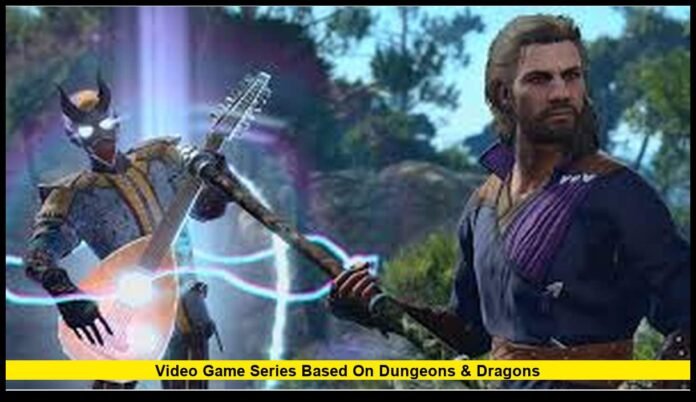

The video game series based on Dungeons & Dragons continues to shape the RPG genre in 2026, driven by blockbuster success, active online worlds, and a growing global player base.
Across PC and consoles, Dungeons & Dragons (D&D) games remain highly relevant. Major titles still receive updates, while older classics continue attracting new players. This mix of innovation and legacy keeps the franchise at the center of modern role-playing games.
Why Dungeons & Dragons Games Are Booming Again
D&D video games have gained strong momentum in recent years. This growth reflects both critical praise and player demand.
Several factors explain the surge:
- Rich storytelling based on decades of lore
- Deep character-building systems
- Tactical combat inspired by tabletop mechanics
- Expanding availability across multiple platforms
Younger audiences in the U.S. are also discovering D&D through gaming rather than traditional tabletop play.
Baldur’s Gate 3 Still Leads the Franchise in 2026
Baldur’s Gate 3 remains the most successful modern D&D game. It set a new standard for RPGs and continues to perform strongly.
Current Highlights:
- Ongoing updates improve gameplay and fix issues
- Strong player engagement across PC, PlayStation, and Xbox
- Widely recognized as one of the most influential RPGs of the decade
The game uses D&D 5th Edition rules to deliver turn-based combat and branching storylines. Every choice affects the outcome, giving players a highly personalized experience.
Its continued popularity proves that story-driven RPGs remain a dominant force in gaming.
Neverwinter Continues as a Live-Service Success
Neverwinter remains an active free-to-play MMORPG set in the Forgotten Realms.
What’s Happening Now:
- Frequent updates and expansions
- Regular seasonal events
- New quests and content drops
The game’s live-service model keeps players returning. Its consistent updates make it one of the longest-running D&D titles still active today.
Dungeons & Dragons Online Still Has a Dedicated Community
Dungeons & Dragons Online (DDO) continues to operate in 2026 with a loyal fan base.
Why Players Still Log In:
- Dungeon-focused gameplay that mirrors tabletop sessions
- Regular expansions and system updates
- A tight-knit, experienced player community
While it doesn’t attract mainstream attention, DDO remains important for longtime fans of the franchise.
Dark Alliance Shows the Risks of Expanding the Formula
Dungeons & Dragons: Dark Alliance took a different approach with action-focused gameplay.
Where It Stands Today:
- Limited ongoing support
- Smaller player base compared to other titles
- Still available but no longer a major focus
The game highlighted the challenges of moving away from core D&D mechanics. Even so, it demonstrated the franchise’s ability to experiment with different styles.
Classic D&D Games Still Influence Modern RPGs
Older Dungeons & Dragons titles continue to shape the genre.
Key Classics:
- Baldur’s Gate
- Baldur’s Gate II: Shadows of Amn
- Icewind Dale
- Planescape: Torment
These games introduced deep storytelling, party systems, and player choice. Modern RPGs still build on these foundations.
Enhanced versions remain available, helping new players experience these classics.
How D&D Games Fit Today’s Gaming Trends
The D&D video game ecosystem aligns closely with current industry trends.
1. Player Choice Matters More Than Ever
Modern gamers expect decisions to have real consequences. D&D games excel in this area.
2. Co-op and Multiplayer Are Growing
Many titles now include cooperative play, increasing engagement and replay value.
3. Cross-Platform Play Expands Reach
Availability across PC and consoles brings in a wider audience.
4. Live-Service Keeps Games Relevant
Ongoing updates help games stay fresh and competitive over time.
Key Titles in the Video Game Series Based on Dungeons & Dragons
| Game Title | Genre | Status in 2026 |
|---|---|---|
| Baldur’s Gate 3 | RPG | Highly active |
| Neverwinter | MMORPG | Regular updates |
| Dungeons & Dragons Online | MMORPG | Active niche audience |
| Dark Alliance | Action RPG | Limited support |
| Classic D&D Titles | RPG | Still widely played |
The Role of Dungeons & Dragons in Modern Gaming Culture
D&D games have become a major part of gaming culture in the United States.
What Drives Their Popularity:
- Streaming content showcasing gameplay choices
- Online discussions about builds and story outcomes
- Strong crossover between tabletop and video game players
The success of recent titles has also introduced many players to the broader D&D universe.
What Makes a Dungeons & Dragons Game Successful
Not every D&D game achieves long-term success. The most popular ones share common traits:
- Strong narrative depth
- Meaningful player decisions
- Faithful adaptation of tabletop rules
- High replay value
Games that lack these elements often struggle to maintain player interest.
What’s Next for the Franchise
The Dungeons & Dragons video game franchise continues to evolve. Developers remain focused on quality storytelling and immersive gameplay rather than rapid releases.
With strong demand and proven success, the future of D&D games looks stable. New projects are expected to build on the foundation created by recent hits.
Final Thoughts
The video game series based on Dungeons & Dragons remains one of the most influential forces in RPG gaming in 2026. With a mix of modern hits and classic titles, the franchise continues to attract both new and longtime players.
Which Dungeons & Dragons game do you enjoy the most? Share your thoughts and join the conversation as the franchise keeps growing.