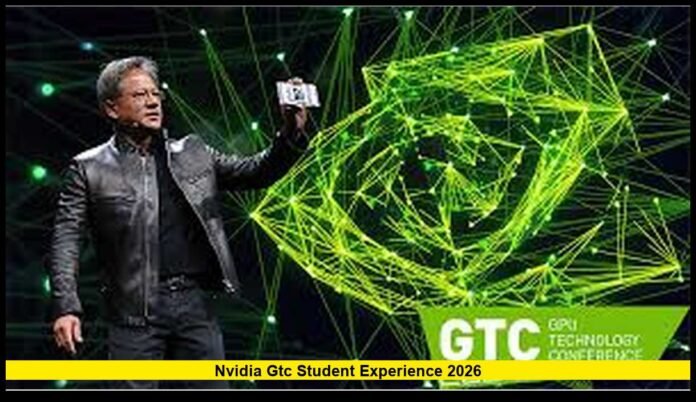

NVIDIA GTC student experience has become one of the most exciting aspects of the annual GPU Technology Conference, offering students direct exposure to artificial intelligence innovation, advanced computing tools, and real-world industry collaboration. As of 2026, NVIDIA’s flagship conference continues to expand its student-focused programs, giving aspiring developers, engineers, and data scientists the opportunity to learn directly from leaders shaping the future of technology.
Each year, the conference gathers thousands of participants from universities, research labs, and technology companies. Students attending the event gain access to keynote presentations, technical sessions, hands-on labs, and career networking opportunities designed to bridge the gap between academic study and professional innovation.
For students interested in artificial intelligence, machine learning, robotics, and accelerated computing, the conference has become one of the most influential educational events in the global technology ecosystem.
What Is NVIDIA GTC
The GPU Technology Conference, widely known as GTC, is NVIDIA’s annual event dedicated to advancements in artificial intelligence, high-performance computing, and GPU-powered technologies.
The conference began as a technical gathering for developers interested in GPU computing. Over time, it has grown into a global technology conference featuring thousands of sessions and participants from many industries.
GTC now covers a wide range of emerging technologies, including:
- Artificial intelligence and deep learning
- Robotics and automation
- Autonomous vehicles
- Data science and analytics
- Healthcare computing
- High-performance computing
The event typically includes hundreds of presentations and workshops led by engineers, researchers, and industry experts.
NVIDIA CEO Jensen Huang traditionally opens the conference with a keynote presentation that highlights the latest developments in AI hardware and software.
Why Students Attend GTC
Students increasingly attend GTC because the conference offers a rare opportunity to interact with the technologies shaping the future of computing.
For many participants, attending the conference provides insights that go beyond traditional classroom education.
Students gain exposure to:
- Real-world AI development tools
- Large-scale computing systems
- Emerging research in robotics and automation
- Industry perspectives on technology careers
These experiences help students understand how academic concepts translate into practical applications.
Universities across the United States encourage students studying computer science, engineering, and data science to explore conferences like GTC as part of their professional development.
Educational Sessions Designed for Learning
One of the most important parts of the student experience at GTC is access to educational sessions.
These sessions are led by engineers, researchers, and developers who work on cutting-edge technologies.
Students can attend presentations covering topics such as:
- Deep learning model architecture
- Generative AI systems
- Robotics software development
- GPU acceleration techniques
- Data science frameworks
These presentations provide a deeper understanding of how advanced technologies operate in real-world environments.
Many sessions also include demonstrations showing how developers build AI systems using modern computing tools.
Hands-On Technical Training
In addition to presentations, GTC offers hands-on training opportunities where students can experiment with software tools used in the technology industry.
Hands-on labs often include instruction in areas such as:
- CUDA programming for GPU computing
- Machine learning model development
- AI inference optimization
- Data pipeline construction
Participants work directly with development platforms and programming frameworks during these labs.
Hands-on training allows students to move beyond theory and practice skills used in professional software engineering and research environments.
This practical learning approach is one reason the conference continues attracting students interested in advanced computing.
Networking Opportunities With Industry Professionals
Networking plays a major role in the student experience at GTC.
Students attending the conference often meet engineers, researchers, and entrepreneurs working in the technology industry.
These conversations can provide valuable insights into career paths and emerging opportunities in artificial intelligence and computing.
Common networking interactions include:
- Conversations with developers from technology companies
- Informal discussions with AI researchers
- Meetups with startup founders and technology investors
These interactions help students understand the real-world challenges that engineers and researchers solve every day.
Building professional relationships during conferences can also help students discover internship opportunities or career pathways.
Career Development and Recruitment Events
GTC frequently includes sessions focused on career development for students and early-career professionals.
These sessions help students prepare for technical careers in fields such as AI development, robotics engineering, and data science.
Career-focused activities may include:
- Resume-building workshops
- Technical interview preparation sessions
- Career panels featuring industry professionals
- Discussions about emerging technology careers
Many students attending the conference use these events to learn how technology companies evaluate engineering talent.
Understanding employer expectations helps students prepare for internships and entry-level positions.
Popular Technology Topics Among Students
Students attending the conference often explore emerging technologies that are transforming the global technology industry.
Some of the most popular topics discussed during GTC sessions include:
| Technology Area | Focus for Students |
|---|---|
| Artificial Intelligence | Neural networks and deep learning systems |
| Generative AI | Large language models and creative AI tools |
| Robotics | Autonomous machines and robotic control systems |
| Data Science | Advanced analytics and data modeling |
| Cloud Computing | GPU acceleration in cloud environments |
These fields represent areas where demand for skilled engineers continues to grow.
Students who gain expertise in these technologies often pursue careers in software engineering, AI research, or advanced computing.
Role of Universities in Supporting Student Participation
Many universities actively encourage students to participate in GTC.
Faculty members often attend the conference to present research or collaborate with industry partners.
Students studying artificial intelligence or high-performance computing may attend sessions related to their research projects.
Academic programs in computer science and engineering frequently emphasize the importance of engaging with the broader technology community.
Events like GTC provide an opportunity for students to see how academic research influences real-world innovation.
GPU Computing and Its Impact on AI Education
GPU computing has become a fundamental component of modern artificial intelligence development.
Graphics processing units allow researchers to train complex neural networks more efficiently than traditional processors.
Students studying machine learning often rely on GPU-powered computing systems for research and coursework.
NVIDIA has played a central role in advancing GPU technology for AI development.
Many universities use NVIDIA hardware and software tools in their research labs.
Learning how to use GPU computing platforms is now considered an essential skill for many technology careers.
The Rise of Generative AI
Generative AI has emerged as one of the most widely discussed topics at recent technology conferences.
Students attending GTC often explore how generative models create text, images, video, and simulations.
These systems rely on advanced machine learning techniques and large-scale data processing.
Understanding generative AI requires knowledge of neural networks, training datasets, and computational infrastructure.
Workshops and presentations at GTC help students learn how these systems are built and optimized.
For many students, these sessions provide valuable insight into the future of AI-driven technology.
Global Participation From Students
Although many participants come from the United States, GTC attracts students from universities around the world.
The conference includes both in-person and virtual participation options.
Virtual sessions allow students who cannot travel to attend technical presentations and training workshops online.
This global accessibility has helped expand the reach of the conference.
Students from diverse academic backgrounds share research ideas and collaborate across international borders.
Such collaboration strengthens the global technology community.
How Conferences Inspire Future Innovation
Technology conferences often inspire students to explore new areas of research and development.
Attending sessions where experts demonstrate real-world technology applications can spark new ideas.
Students frequently leave conferences with a deeper understanding of how technology shapes industries such as healthcare, transportation, and scientific research.
Exposure to industry innovation encourages students to pursue ambitious projects and career paths.
Events like GTC highlight the importance of collaboration between academic research and industry engineering.
Preparing Students for Technology Careers
Students who attend GTC often gain valuable insights into the skills required for technology careers.
Many sessions focus on practical topics such as software engineering techniques, machine learning frameworks, and scalable computing systems.
Students who understand these technologies can pursue careers in areas including:
- Artificial intelligence development
- Robotics engineering
- Data science and analytics
- Cloud infrastructure engineering
- Autonomous systems design
Learning about these fields during the conference helps students identify potential career directions.
The Continuing Growth of Student Participation
The nvidia gtc student experience continues to expand as interest in artificial intelligence and advanced computing grows worldwide.
Each year, more universities encourage students to participate in conferences where they can interact with industry leaders and technology innovators.
These experiences provide students with practical knowledge, professional connections, and exposure to cutting-edge technologies.
As AI continues transforming industries, opportunities for students to learn directly from industry experts will become increasingly valuable.
Looking Toward the Future of Student Engagement
The next generation of engineers and researchers will play a key role in shaping the future of artificial intelligence and computing.
Events like NVIDIA GTC provide a platform where students can explore ideas, collaborate with experts, and gain insights into emerging technologies.
Through technical workshops, networking opportunities, and educational sessions, students gain experiences that prepare them for the rapidly evolving technology landscape.
What do you think about the role of conferences like GTC in shaping future technology careers? Share your thoughts and join the conversation below.