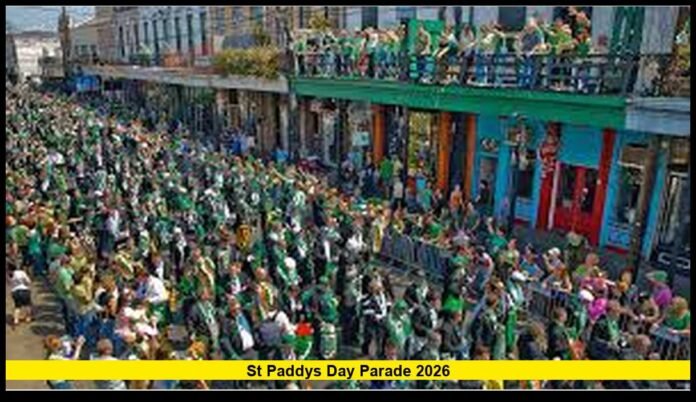

The st paddys day parade continues to be one of the most widely celebrated public events across the United States in 2026, drawing millions of spectators to city streets every March. Communities large and small organize vibrant parades featuring marching bands, Irish dancers, bagpipe performers, cultural organizations, and decorated floats to celebrate St. Patrick’s Day and honor Irish heritage.
In many American cities, St. Patrick’s Day parades have become a long-standing tradition that brings residents together for music, culture, and community celebration. The events usually take place on the weekend closest to March 17, the official St. Patrick’s Day holiday. From historic East Coast cities to growing towns in the Midwest and West, the celebrations transform downtown areas into festive gatherings filled with green decorations, Irish flags, and enthusiastic crowds.
The continued popularity of these parades highlights the lasting cultural influence of Irish Americans and the community spirit surrounding the holiday.
The Meaning Behind St. Patrick’s Day
St. Patrick’s Day commemorates Saint Patrick, the patron saint of Ireland. The holiday honors Irish culture, history, and traditions that developed over centuries.
Saint Patrick lived during the fifth century and played a major role in spreading Christianity across Ireland. Over time, March 17 became recognized as the day associated with his legacy.
In Ireland, the holiday began as a religious feast day. Irish communities attended church services and celebrated their cultural identity.
When Irish immigrants arrived in the United States during the 18th and 19th centuries, they brought their traditions with them. These traditions eventually evolved into the large public celebrations seen today.
How Parades Became Central to the Celebration
Public parades became one of the most visible expressions of Irish heritage in America.
Irish immigrant communities organized early parades to demonstrate pride in their cultural identity. These gatherings also helped immigrants build stronger communities in their new country.
One of the earliest recorded St. Patrick’s Day parades took place in New York City in the 1700s.
Over time, other cities adopted the tradition. Parades began appearing in Boston, Philadelphia, Chicago, and other major urban centers.
Today, hundreds of cities across the United States host their own St. Patrick’s Day parades every year.
Major Cities Known for Large Parades
Some American cities are internationally recognized for their St. Patrick’s Day celebrations.
These parades attract hundreds of thousands of spectators annually.
Here are several well-known locations:
| City | Notable Feature |
|---|---|
| New York City | One of the largest St. Patrick’s Day parades in the world |
| Chicago | Famous for dyeing the Chicago River green |
| Boston | Deep Irish-American heritage and historic celebration |
| Savannah | One of the largest celebrations in the southeastern U.S. |
| Philadelphia | Large community parade with strong cultural participation |
Each city brings its own local traditions to the celebration while maintaining Irish cultural elements.
Typical Parade Participants
St. Patrick’s Day parades feature a wide variety of participants representing both Irish culture and local communities.
Parade organizers invite groups that contribute music, performance, and creative displays.
Common participants include:
- School marching bands
- Irish dance academies
- Pipe and drum bands
- Community organizations
- Youth sports teams
- Local businesses and nonprofits
These groups often spend weeks preparing costumes, floats, and performances for the parade.
Their participation creates a lively and colorful procession that moves through city streets.
The Importance of Irish Music
Music plays a central role in every St. Patrick’s Day parade.
Traditional Irish music includes instruments such as bagpipes, fiddles, flutes, and drums.
Bagpipe bands are especially common during parades.
Performers wear traditional kilts and march through the route while playing classic Irish melodies.
The distinctive sound of bagpipes adds a historic and ceremonial tone to the celebration.
Spectators often gather along the parade route to watch these performances.
Irish Dance Traditions on Display
Irish dance groups are another highlight of many St. Patrick’s Day parades.
Dancers perform energetic step routines while wearing elaborate costumes decorated with Celtic designs.
Irish dance has deep cultural roots that date back hundreds of years.
Modern dance schools across the United States continue to teach these traditions to new generations.
During parades, dancers showcase their skills through fast footwork and synchronized movements.
Crowds frequently applaud the dancers as they pass through the parade route.
Decorated Floats and Community Displays
Floats add visual excitement to St. Patrick’s Day parades.
Community groups and businesses design creative displays using green decorations, shamrocks, and Irish symbols.
Many floats include music, performers, and themed decorations.
Popular float themes often feature:
- Irish folklore imagery
- Celtic designs and patterns
- Community organization banners
- Cultural symbols such as shamrocks or harps
These floats help make the parade visually engaging for spectators.
They also provide organizations an opportunity to showcase their creativity.
Community Participation and Local Pride
Community involvement is one of the most important aspects of St. Patrick’s Day parades.
Local groups often view participation as a way to celebrate both Irish heritage and civic pride.
Participants may include:
- Schools and educational programs
- Cultural societies
- Local charities and nonprofit organizations
- Public safety departments such as police and firefighters
These groups represent the diversity of the community while honoring Irish traditions.
Their involvement helps make each parade unique to its city.
Family-Friendly Celebration
Many communities design their St. Patrick’s Day parades as family-friendly events.
Parents often bring children to watch the colorful floats and performers.
Kids enjoy the festive atmosphere and the excitement of seeing bands and dancers.
Some parade participants toss small items such as candy or beads to spectators along the route.
Families often bring chairs or blankets to sit comfortably while watching the parade.
This welcoming environment makes the event accessible for people of all ages.
Economic Benefits for Local Businesses
St. Patrick’s Day celebrations also provide economic benefits for cities.
Restaurants, bars, and retail stores near parade routes often experience increased customer activity.
Visitors traveling to attend the parade frequently explore nearby attractions and businesses.
Local establishments often offer special promotions such as:
- Irish-inspired menu items
- Live music performances
- Holiday-themed beverages
These promotions help create a festive atmosphere throughout downtown areas.
The increased foot traffic benefits local economies during the holiday weekend.
Planning and Safety Measures
Large public events require careful coordination between city officials and parade organizers.
Local governments work closely with organizers to manage safety and logistics.
Common preparations include:
- Temporary street closures along the parade route
- Traffic management plans
- Emergency medical services stationed nearby
- Police officers monitoring crowd safety
Volunteers also assist with directing spectators and organizing parade participants.
These measures help ensure the celebration runs smoothly and safely.
Preparing to Attend a Parade
Many people attend St. Patrick’s Day parades every year as part of their holiday tradition.
Planning ahead can make the experience more enjoyable.
Helpful tips include:
- Arrive early to find a good viewing spot
- Wear green clothing to join the celebration
- Bring chairs for comfortable seating
- Check local transportation or road closures
Large parades often attract thousands of spectators.
Arriving early helps visitors avoid crowded viewing areas.
Why the Tradition Continues
The st paddys day parade remains a powerful symbol of cultural celebration in the United States.
For many Americans, the parade represents more than just a holiday event. It reflects the country’s history of immigration and cultural diversity.
Irish traditions continue to influence American music, dance, and community celebrations.
Each year, cities across the nation gather to celebrate that heritage through parades filled with music, color, and community pride.
These celebrations connect generations and remind communities of the cultural traditions that shaped American society.
Have you ever attended a St. Patrick’s Day parade in your city? Share your favorite memories and join the celebration of Irish culture.