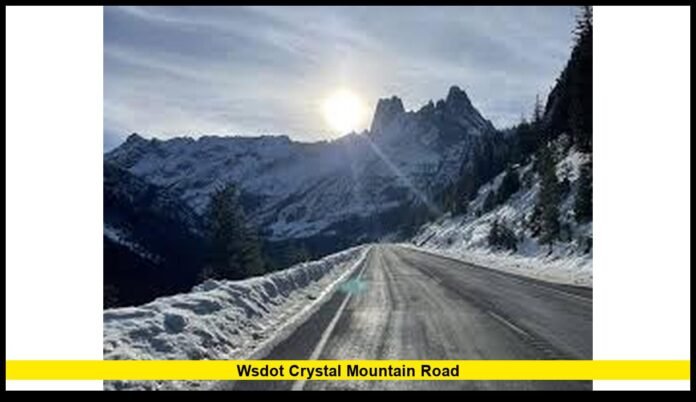

WSDOT Crystal Mountain travel updates play an important role for drivers heading toward Washington State’s largest ski resort, where mountain weather, weekend traffic, and winter road conditions often affect travel along State Route 410. Transportation officials continue monitoring the corridor with cameras, weather stations, and maintenance crews to keep drivers informed and roads as safe as possible throughout the year.
Crystal Mountain Resort sits in the Cascade Range southeast of Seattle and draws thousands of visitors every winter for skiing and snowboarding. The route to the resort passes through mountain terrain where snowfall, icy pavement, and sudden weather shifts can quickly impact travel conditions. Because of these challenges, the Washington State Department of Transportation actively monitors the highway leading to the resort and provides real-time updates that help drivers plan their trips.
For many travelers, checking the latest road information before leaving home has become a standard part of preparing for a day in the mountains.
Crystal Mountain’s Location in the Cascade Range
Crystal Mountain Resort lies in Pierce County, Washington, in the northeastern corner of the Mount Rainier region. The resort sits about 76 miles southeast of Seattle and serves as one of the most accessible ski areas for residents of the Puget Sound region.
The resort’s base elevation is roughly 4,400 feet, while the summit reaches more than 7,000 feet above sea level. Its high elevation and location along the Cascade crest bring heavy snowfall during winter storms moving inland from the Pacific Ocean.
Visitors travel to Crystal Mountain for several outdoor activities, including:
- Skiing and snowboarding during winter
- Scenic gondola rides
- Hiking and sightseeing in summer
- Mountain photography and wildlife viewing
- Seasonal festivals and events
Access to the resort depends primarily on State Route 410, making the highway a critical travel corridor for tourism and recreation in the region.
State Route 410: The Primary Roadway to the Resort
Most travelers heading to Crystal Mountain reach the area using State Route 410, also known as the Chinook Pass Highway. This mountain road links several communities in western Washington with the eastern slopes of the Cascade Mountains.
Drivers approaching from the Seattle and Tacoma metropolitan areas typically follow this route:
- Travel south or east toward the town of Enumclaw.
- Continue east on State Route 410 toward Greenwater.
- Turn onto Crystal Mountain Boulevard, which leads directly to the resort.
As vehicles climb higher into the mountains, temperatures often drop and weather conditions can change rapidly. Snow and ice frequently appear at higher elevations even when lower areas remain clear.
Because the highway winds through forested mountain terrain with sharp curves and elevation changes, WSDOT keeps a close watch on the corridor throughout the winter travel season.
How Transportation Officials Monitor Road Conditions
Transportation crews maintain constant oversight of the highway corridor leading to Crystal Mountain. The monitoring system combines multiple technologies that help identify hazards quickly.
Key tools used for highway monitoring include:
- Road weather information stations
- Traffic cameras positioned along SR-410
- Maintenance vehicle reports
- Road surface temperature sensors
- Digital highway message boards
These systems allow transportation operators to detect weather changes, track traffic flow, and communicate important information to drivers.
The wsdot crystal mountain travel updates include visual camera images, traction advisories, and notices about winter driving requirements. Travelers can review this information before heading into the mountains to determine whether conditions are safe for their vehicle.
Winter Weather Challenges Along State Route 410
Winter storms frequently affect the Cascade Mountains, bringing heavy snowfall and strong winds to the Crystal Mountain region.
These storms often create difficult driving conditions along the highway corridor.
Common winter travel challenges include:
- Snow accumulation on the roadway
- Icy pavement caused by freezing temperatures
- Reduced visibility during snowstorms
- Slush buildup during warmer snow events
- Snowbanks narrowing road shoulders
Mountain weather systems can develop quickly. A clear highway in the morning may become snow covered by the afternoon.
Because of this rapid change, WSDOT maintenance crews patrol the roadway regularly during winter months.
Snowplow Operations and Road Maintenance
Snow removal remains one of the most important tasks for keeping the highway open to Crystal Mountain.
During winter storms, maintenance crews deploy snowplows and de-icing trucks to maintain safe driving conditions.
Snowplow operations typically include:
- Clearing snow from travel lanes
- Applying anti-icing chemicals
- Spreading sand or traction material
- Removing packed snow from intersections
- Monitoring snow accumulation along steep grades
Plows often operate continuously during active storms. Their goal is to keep at least one lane in each direction open whenever conditions allow.
Drivers should expect to encounter snowplows along the route during storms and should always give maintenance vehicles plenty of space.
Chain Requirements During Winter Travel
Chain requirements frequently appear on mountain highways in Washington when snow or ice covers the roadway.
When these restrictions are in effect, drivers must follow specific traction rules designed to prevent vehicles from losing control on steep grades.
Typical traction levels include:
| Requirement | Meaning for Drivers |
|---|---|
| Traction tires advised | Vehicles should use winter tires |
| Chains required for large vehicles | Trucks must install tire chains |
| Chains required except AWD | Most vehicles must use chains |
| Chains required for all vehicles | Even AWD vehicles must chain up |
Drivers traveling toward Crystal Mountain must carry tire chains during the winter season, which usually lasts from November through April.
These requirements help prevent vehicles from becoming stuck and blocking traffic along narrow mountain roads.
Traffic Cameras Along the Route
Traffic cameras positioned along State Route 410 give drivers a real-time look at conditions on the highway.
These cameras capture updated images throughout the day, allowing travelers to view the road surface and surrounding weather conditions.
Camera images help drivers evaluate several important factors before beginning their trip:
- Whether the pavement appears snow covered or clear
- Current traffic flow along the highway
- Visibility conditions during storms
- Snow accumulation at higher elevations
Many travelers check multiple cameras along the route to understand how conditions change as the road climbs toward the mountains.
Weekend Travel Patterns During Ski Season
Crystal Mountain attracts large numbers of visitors during the winter recreation season.
Weekend mornings often bring a surge of vehicles traveling toward the resort, particularly during periods of fresh snowfall.
Common weekend travel trends include:
- Heavy traffic early Saturday morning
- Increased congestion near the resort entrance
- Slower traffic returning toward Seattle on Sunday afternoon
- Additional traffic during holiday weekends and school breaks
Many experienced skiers leave early in the morning to avoid congestion and secure parking at the resort.
Summer Travel and Scenic Visits
While winter remains the busiest season for Crystal Mountain, travel to the area continues during the warmer months.
Summer visitors come to experience panoramic views of Mount Rainier and the surrounding Cascade peaks.
Activities during the summer season include:
- Scenic gondola rides to the summit
- Hiking trails across alpine terrain
- Photography and sightseeing
- Guided nature tours
Highway conditions during summer generally remain clear of snow, but construction or maintenance work occasionally affects travel along SR-410.
Checking road updates remains helpful even during warmer months.
Safety Tips for Driving Toward Crystal Mountain
Mountain travel requires preparation, especially during winter storms.
Drivers planning a trip to Crystal Mountain should consider several safety precautions.
Check Conditions Before Leaving
Review traffic camera images and road reports before starting the trip.
Prepare for Winter Driving
Carry winter emergency supplies such as:
- Tire chains
- Flashlights
- Extra food and water
- Warm blankets
- Portable phone chargers
Drive Carefully in Mountain Terrain
Steep slopes and sharp curves require slower speeds and careful braking.
Plan Extra Travel Time
Weather conditions and traffic congestion can extend travel times during peak ski weekends.
Preparing ahead reduces stress and improves safety for everyone on the road.
Economic Importance of Travel to Crystal Mountain
Crystal Mountain plays a major role in Washington’s winter recreation economy.
The resort attracts visitors from across the state and from neighboring regions in the Pacific Northwest.
Travel to the resort supports many local businesses, including:
- Restaurants in Enumclaw and nearby communities
- Hotels and lodging services
- Ski equipment rental shops
- Outdoor recreation retailers
- Transportation providers
Maintaining safe and reliable highway access helps support tourism and outdoor recreation throughout the region.
Technology Supporting Safer Mountain Travel
Transportation agencies increasingly rely on advanced technology to monitor road conditions and inform drivers.
Several modern tools help improve travel safety along Washington’s mountain highways.
These technologies include:
- Automated weather monitoring stations
- Remote traffic cameras
- Digital highway alerts
- Maintenance tracking systems
These tools allow transportation officials to respond quickly when weather conditions change.
Drivers benefit from faster updates and clearer information about what to expect before entering mountain terrain.
Crystal Mountain remains one of Washington’s most popular outdoor destinations, and safe travel to the resort depends heavily on accurate road information. By checking conditions and preparing for mountain driving, travelers can enjoy a smoother journey into the Cascades.
Have you recently driven to Crystal Mountain? Share your travel experience or winter driving tips in the comments to help other visitors plan their trip.