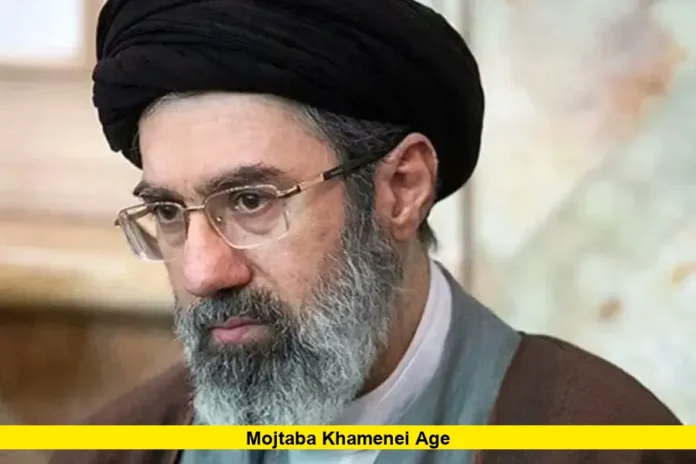

In a dramatic turn of events shaking the Middle East, Mojtaba Khamenei age 56 has emerged as a central figure in Iran’s unfolding leadership transition following the death of Supreme Leader Ayatollah Ali Khamenei. The political earthquake comes amid intense regional conflict and deep questions about the future direction of Tehran’s theocratic system.
The son of the late supreme leader and a longtime influential political player, Mojtaba Khamenei is now widely discussed as a potential successor in Iran’s highest office. Developments are evolving rapidly, and the nation’s governance structures are in flux amid ongoing turmoil.
If you are watching these global shifts, stay informed on how this could impact geopolitics and national security across the world.
Global audiences are closely observing how Iran’s power centers are responding to this unprecedented moment as leaders and clerics weigh next steps.
Who Is Mojtaba Khamenei and What Is His Age Now?
Mojtaba Khamenei, currently 56 years old, was born on September 8, 1969, in Mashhad, Iran. He is the second-eldest son of the late Ayatollah Ali Khamenei, who served as Iran’s supreme leader for nearly four decades. Unlike many high-ranking clerics in Iran, Mojtaba did not follow the traditional path to the top of the religious hierarchy, but he established significant influence within key power structures over time.
Educated in religious studies and deeply connected to Iran’s elite conservative circles, Mojtaba has long been seen as a behind-the-scenes power broker. He served in the Islamic Revolutionary Guard Corps during the Iran-Iraq War and cultivated strong ties with security and intelligence sectors, helping shape his reputation as a key adviser and administrator within the supreme leader’s inner circle.
His age and experience place him in a unique spot: not a senior ayatollah by traditional clerical standards, but a politically connected figure with extensive relationships among Iran’s ruling establishment.
Historic Leadership Shift After Iran’s Supreme Leader Dies
Iran has entered a rare and critical chapter in its history following the death of Ayatollah Ali Khamenei, aged 86, who was killed in a joint U.S.–Israeli military operation. His death marks only the second leadership transition in the Islamic Republic since its founding in 1979.
Under the Iranian constitution, the Assembly of Experts, an 88-member clerical body elected to oversee and choose the supreme leader, is responsible for selecting a successor. In the interim, a temporary leadership council composed of high-ranking state officials has assumed duties to maintain governance.
In recent days, reports from some media sources have indicated that Mojtaba Khamenei is either being considered or has been chosen by Iran’s clerical establishment as a successor to his father, though an official announcement by Iran’s government has not been publicly issued.
This development generates intense debate both inside and outside Iran because succession by a family member diverges from the established norm of choosing a senior religious jurist with recognized theological authority. The Islamic Republic was founded partly on opposition to hereditary monarchical rule, making a potential father-to-son transfer of power especially sensitive.
Mojtaba Khamenei’s Background: Military, Clerical, and Political Influence
Despite not being one of the most senior clerics, Mojtaba built his influence through a mix of religious study and political positioning. He studied theology in Qom, one of Iran’s most important centers of religious education, and connected with prominent clerical figures and institutions.
He also served in Iran’s armed forces early in his life during the Iran-Iraq War and later engaged with the Basij, a paramilitary volunteer force aligned with the Revolutionary Guard. These roles helped him form enduring alliances with Iran’s security apparatus.
Over the years, his influence extended into internal political affairs, including election activities and access to powerful decision-making circles. While not holding formal political office, his role behind the scenes has been significant in shaping policy and aligning with key conservative leaders in Tehran.
Succession Debate and Constitutional Requirements
Iran’s constitution outlines that the supreme leader should be a highly qualified jurist with expertise in religious law and political leadership. This requirement has sparked debate over whether Mojtaba Khamenei, despite his age and connections, meets the deeply rooted theological standards historically expected of the position.
The Assembly of Experts holds the authority to assess candidates and select the next leader. The process is not transparent to the public, and deliberations occur within the clerical establishment away from broad media coverage. This means that while Mojtaba’s name circulates widely in international reporting, it remains unclear how the final decision will unfold.
What This Means for Regional Stability and U.S. Interests
Iran’s leadership transition comes at a time of heightened regional tensions, with ongoing engagements involving the United States, Israel, and other regional powers. How Iran chooses its next supreme leader could influence diplomatic negotiations, security alignments, and responses to internal and external pressures.
Mojtaba Khamenei’s age and network could position him as a leader who maintains continuity with Iran’s current hard-line posture, but his eventual leadership style and policy priorities will likely remain subjects of international attention and analysis.
As events continue to evolve, global observers and policymakers are closely watching the Assembly of Experts’ deliberations and the broader political dynamics shaping Iran’s future leadership.
What are your thoughts on the evolving leadership landscape in Iran? Share your views and stay tuned for ongoing developments in this historic moment.