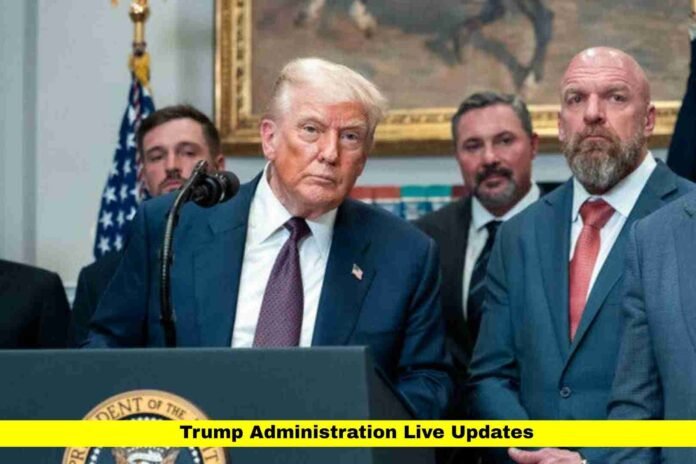

As the nation awaits the next major presidential address, Trump Administration Live Updates show a mix of low approval ratings, voter dissatisfaction on key issues, and growing focus on how the president plans to connect with the American public during the upcoming State of the Union address. With approval among independents sinking to historic lows and broader public opinion showing unease about the state of the country, the administration is navigating a complex political moment that could shape the remainder of the year.
This extensive article explores every angle of the recent polling data, what it means for the president’s strategy, the public’s major concerns ahead of the address, how the State of the Union is unfolding, and how Americans across the political spectrum are reacting. Here’s the full picture — presented in a clear, factual, and structured way.
The State of the Nation as Viewed by Americans
Recent national polling reflects stark sentiment about the current state of the country. In a broad survey conducted just days before the State of the Union address, a majority of Americans said they believe the nation is worse off now than it was a year ago. This sentiment was most pronounced among independent voters and those who prioritize economic conditions in their daily lives.
Voters were also asked whether they consider the “state of the union” strong. A significant portion of respondents said it is not strong, suggesting widespread public concern about national priorities and direction. This sentiment cuts across demographic lines, with notable differences between age groups, education levels, and geographic regions.
These feelings create a backdrop of skepticism that the administration must contend with as it prepares to deliver its message to the nation.
Independent Approval at a Low Point
One of the most discussed developments in recent polling is the sharp drop in approval among independent voters. A new national survey found the president’s approval among independents has fallen to just 26 percent. This figure marks the lowest level of support from this vital segment at any comparable point in his presidency.
Independent voters often decide the outcome of closely contested national and statewide elections. When approval in this group drops sharply, it signals a potential shift in political momentum that could have ramifications for congressional midterm races and broader political strategy.
The decline in independent approval highlights growing dissatisfaction with leadership among those who are not firmly aligned with either major political party.
Overall Job Approval and Public Skepticism
Alongside the decline in independent approval, overall job approval figures also show mixed sentiment. In the same polling period, more Americans disapproved of the president’s job performance than approved. This broader disapproval reflects underlying concerns about handling key national issues such as the economy, inflation, foreign policy, and immigration.
Many voters expressed frustration with how national challenges are being addressed. These concerns often influence approval ratings more than specific policy debates, as they reflect how individuals feel their daily lives are affected by broader governance.
The combination of low independent support and overall public skepticism creates a challenging environment for any administration heading into a major national address.
Economic Worries Drive Voter Priorities
Americans have consistently named economic issues as their top concern. Poll respondents said rising costs of living, housing affordability, healthcare costs, and stagnant wages weigh heavily on their minds. Many voters expressed a desire for presidential leadership to prioritize tangible measures to relieve economic strain.
Across party lines, a large percentage of respondents indicated that economic concerns ought to feature prominently in the upcoming State of the Union address. Independent voters, especially, emphasized that affordability and everyday financial security matter most to their sense of national well-being.
This focus on economic life suggests that public expectations extend beyond general rhetoric — voters want details and direction on how challenges will be met.
Foreign Policy Opinions and Public Response
While the economy dominates public concern, foreign policy remains an important issue for many Americans. Recent events and global developments have underscored the complexity of international relations, and many respondents said they are evaluating leadership through the lens of how the nation engages abroad.
Foreign policy ratings have varied widely, with some voters expressing confidence in strong leadership while others remain uneasy about diplomatic tensions and military commitments. These factors contribute to a broader picture of mixed sentiment about how national leadership balances domestic needs with global responsibilities.
Division Over Domestic Policy Direction
In addition to economic and foreign concerns, many Americans voiced opinions about domestic policy direction. A significant portion of respondents said they believe the country is headed in the wrong direction — a sentiment that remains consistent among diverse voter groups.
This perception of national direction plays into approval ratings and overall confidence in leadership. When voters feel uncertain about where the country is going, they often express that unease through disapproval of presidential performance.
The sense of dissatisfaction appears across age groups, gender identities, and geographic regions, emphasizing how widespread these views are.
Age and Leadership Perception
Another trend revealed in recent national polling is how voters view the president’s leadership in relation to his age. A majority of respondents expressed concerns about the president’s age and how it affects perception of his decision-making and leadership style.
These doubts were not limited to any single political group. Voters from different backgrounds reported concerns about how age might influence performance, stamina, and long-term leadership vitality.
This sentiment is part of a broader conversation about the characteristics voters value in national leaders and how they reconcile those traits with experience and policy outcomes.
Political Division and Institutional Trust
Polling also showed deep divisions in how voters view core American institutions. A majority of respondents said they believe there is a serious threat to the future of democracy in the United States, and many said the system of checks and balances is not working well.
These views reflect frustration with political polarization and institutional gridlock. A sense of disconnection between institutions and everyday citizens may influence how individuals engage with political news, civic participation, and voting decisions.
Trust in institutions is a complex factor that extends beyond any single administration or policy agenda.
The State of the Union: Timing and Significance
The president is scheduled to deliver the State of the Union address to a joint session of Congress at 9:00 p.m. Eastern Time. This annual speech provides an opportunity for the president to lay out a vision for the year, highlight policy priorities, and address issues that matter most to the public.
The timing of the address is significant, coming as the nation grapples with questions about political leadership, economic stress, and national direction. With a backdrop of concern and skepticism among voters, the content of the address will likely focus on themes intended to reassure, inform, and persuade.
Public attention on the speech remains high, driven in part by media focus and the broad viewership such addresses typically garner.
Broadcast and Platforms for the State of the Union
The State of the Union address will be broadcast on major national television networks and streaming platforms. Viewers can watch on traditional channels such as ABC, NBC, CBS, PBS, and major cable outlets.
Streaming options also include online platforms that provide free access, allowing audiences across the country to tune in from computers, mobile devices, or smart TVs. Radio listeners will have access through various national stations.
The broad distribution of the address reflects its importance as a national event.
Focus of the Presidential Speech
According to administration planning, the address will emphasize key themes such as economic policy, measures to address the cost of living, healthcare reforms, and national achievements.
Economic narratives are expected to take center stage, as they align with the issues that voters identified as most pressing. The address will also highlight stories of everyday Americans and efforts to strengthen economic security for families.
In addition, celebration of the nation’s heritage and themes tied to national pride are anticipated to be woven into the president’s remarks.
The address may also touch on foreign policy and national security priorities, reflecting ongoing global developments.
Political Responses and Reactions
In addition to the president’s address, responses from political leaders across the aisle are already in motion. Some legislative members plan to attend with guests selected to highlight issues important to their own constituencies.
Others are organizing alternative events that will run concurrently with the State of the Union, offering different perspectives and critiques of national leadership.
These responses illustrate the vibrant and often contentious nature of American politics — where competing narratives seek to influence public opinion and voter engagement.
Polling Impact on Midterm Strategy
The timing of the address coincides with a critical period in national politics, as control of Congress hangs in the balance in the upcoming midterm elections.
With approval figures reflecting significant skepticism among key voter groups, political strategists on both sides are recalibrating their approaches. For the party in power, the challenge is to reaffirm connection with voters and articulate a persuasive agenda.
For the opposition, the priority is to mobilize support and present alternatives that resonate with voter concerns.
The dynamics of polling trends play an outsized role in shaping campaign messaging, fundraising, and voter outreach.
Public Expectations Going Into the Address
Americans across political affiliations have expressed clear expectations for the address. Many want a focus on economic issues, cost-of-living concerns, and tangible policy proposals that speak to everyday experiences.
Voters also want leadership that addresses national unity, institutional confidence, and the quality of life for families.
Expectations vary by demographic, but a common thread is the desire for clarity on how national challenges will be met.
Broader National Sentiment on Policy
Beyond approval numbers, broader polling reveals strong opinions about specific policy areas. Many voters rated leadership negatively on issues like immigration enforcement, foreign relations strategy, and affordability.
However, segments of the population expressed continued strong support, particularly among the president’s core base.
This divergence speaks to the polarized nature of current political sentiment, where perspectives differ starkly along party lines.
Looking Ahead After the State of the Union
Once the address concludes, attention will shift to how the speech is received, analyzed, and critiqued across media platforms and public discourse.
Viewership responses, polling shifts following the address, and how voters interpret key themes will shape the political narrative in the weeks ahead.
The impact of the address on voter confidence, political engagement, and momentum heading into the midterm elections will be closely monitored.
Conclusion: A Pivotal Moment in National Politics
The combination of low approval ratings among independents, widespread public skepticism about national direction, and strong economic concerns creates a challenging political environment as the president delivers a major address to the nation.
How these developments influence public perception, policy priorities, and voter engagement will unfold in the coming days and weeks.
Share your thoughts in the comments below and stay connected for continuing updates as the situation evolves.