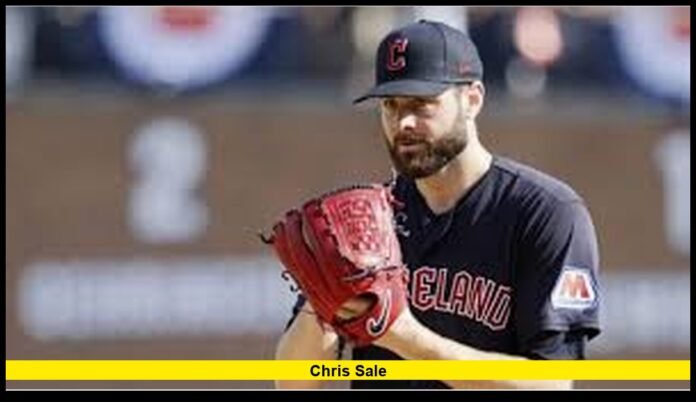

Chris Sale will remain a central figure in the Atlanta Braves’ pitching plans after the organization finalized a one-year, $27 million contract extension that keeps the veteran left-hander from reaching free agency following the 2026 season. The agreement also includes a $30 million club option for 2028, giving Atlanta additional control while preserving long-term payroll flexibility.
The decision reflects the Braves’ commitment to maintaining one of baseball’s most competitive rotations and reinforces Sale’s value as both a frontline starter and a veteran presence.
A Contract Built Around Competitive Timing
Atlanta structured the extension to match its current championship window. Rather than committing to multiple guaranteed seasons, the front office chose a shorter agreement with a high annual value.
That approach allows the team to retain elite performance without creating long-term financial risk.
Contract highlights:
- Extension covering the 2027 season
- Salary set at $27 million
- Club option for 2028 valued at $30 million
- Removal of Sale from the 2026 free-agent class
This structure reflects a growing league trend where teams prioritize flexibility while rewarding impact players.
Why Atlanta Moved Before Free Agency
Front offices often act early when a veteran pitcher demonstrates stability and effectiveness. Waiting can increase cost and create competition.
Atlanta’s decision to extend Sale now provides several advantages:
- Avoiding a crowded free-agent bidding environment
- Locking in rotation continuity
- Allowing long-term roster planning to proceed with clarity
- Protecting against rising pitching market prices
The move signals that the organization views Sale as more than short-term depth. He remains a key contributor in meaningful games.
Chris Sale’s Value Within the Rotation
Sale’s presence influences more than one rotation spot. His experience shapes preparation routines, game planning, and in-season adjustments.
Within Atlanta’s staff, he provides:
- A high-strikeout left-handed option
- Postseason experience managers trust
- A stabilizing presence during schedule stretches
- Flexibility when injuries affect depth
Teams competing deep into October rely heavily on starters who can miss bats and handle pressure. Sale continues to fit that profile.
Performance Factors Behind the Extension
Modern pitching evaluations extend far beyond traditional statistics. Organizations rely on a combination of metrics, scouting insight, and health trends.
Key factors that typically drive extensions for veteran starters include:
- Consistent swing-and-miss ability
- Command improvements over time
- Velocity stability
- Effectiveness against both left- and right-handed hitters
- Evidence that performance can translate into postseason environments
Sale’s skill set aligns with these indicators. His ability to generate strikeouts remains one of his defining strengths.
Leadership Impact Inside the Clubhouse
Veteran starters often shape team culture. Their preparation habits influence younger pitchers throughout the season.
Sale contributes in several areas:
- Sharing game planning approaches
- Demonstrating in-season adjustment strategies
- Providing insight during playoff preparation
- Helping establish routines for recovery and workload management
Organizations place real value on that leadership, especially during championship pursuits.
Financial Strategy Behind the Agreement
Short extensions with premium annual salaries have become common across Major League Baseball. This approach allows teams to manage risk while keeping elite talent.
Atlanta’s contract strategy reflects several priorities:
- Maintaining payroll flexibility
- Aligning commitments with competitive windows
- Avoiding long guarantees for pitchers entering veteran stages
- Creating decision points through options
The club option in 2028 serves as the most important strategic element. It gives the Braves a choice based on performance and health trends.
Pitching Market Context
Starting pitching continues to command significant investment across the league. Teams prioritize reliable starters because of their impact on postseason success.
Recent contract patterns show:
- Increased annual salaries for top starters
- Greater reliance on short-term agreements
- Teams acting earlier to retain proven pitchers
- Options becoming central to negotiations
Sale’s extension fits squarely within these patterns.
Rotation Stability and Competitive Planning
Atlanta has consistently built its roster around continuity. Rather than replacing major rotation pieces each offseason, the organization aims to retain proven contributors.
The extension helps the Braves:
- Reduce uncertainty beyond 2026
- Manage innings distribution across the staff
- Allow prospects to develop without pressure
- Focus offseason resources on complementary upgrades
Clarity in rotation planning often translates into stronger roster construction overall.
Durability Considerations
Every pitching decision involves evaluating durability. Teams examine workload patterns, recovery timelines, and mechanical consistency.
The shorter extension length reflects balanced optimism. Atlanta secures Sale’s contributions while limiting long-term exposure.
Veteran pitchers frequently succeed through adaptation, efficiency, and strategic workload management. Sale’s experience supports that model.
Chris Sale’s Career Profile
Sale has built a reputation as one of the most dominant left-handed pitchers of his era when healthy. His pitching style emphasizes strikeouts, deception, and command.
Career strengths include:
- Elite strikeout production
- Ability to miss bats deep into games
- Effectiveness against diverse lineups
- Competitive intensity on the mound
- Postseason experience that adds strategic value
Pitchers with that profile remain highly sought after even later in their careers.
How the Deal Shapes Atlanta’s Future Offseasons
Retaining Sale simplifies future planning. When a rotation spot is secured, front offices can allocate resources more efficiently.
Atlanta now gains flexibility to:
- Target depth rather than replacements
- Evaluate younger pitchers at the major-league level
- Prioritize bullpen upgrades if needed
- Manage payroll distribution across position groups
The extension removes a major unknown from upcoming offseason discussions.
Fan Perspective and Organizational Messaging
Roster continuity resonates with fans. When recognizable players remain with contenders, it reinforces confidence in team direction.
From an organizational standpoint, the extension communicates:
- Trust in Sale’s ongoing effectiveness
- Commitment to competing annually
- Stability within the pitching staff
- A proactive rather than reactive roster strategy
These signals matter in maintaining long-term fan engagement.
Club Option: A Critical Decision Point
The 2028 club option provides strategic flexibility that benefits both sides. Options allow teams to evaluate performance without immediate long-term commitment.
If Sale continues performing at a high level, the option could represent strong value relative to market prices. If circumstances change, Atlanta retains financial control.
This structure reflects modern contract design across MLB.
Postseason Value of Veteran Starters
October success often depends on reliable starting pitching. Experienced starters influence series strategy, bullpen usage, and matchup planning.
Sale’s postseason experience offers advantages:
- Comfort in high-pressure starts
- Ability to adjust within a series
- Confidence for managers when setting rotations
- Mentorship for teammates making playoff debuts
Teams frequently prioritize these factors when extending veteran pitchers.
Impact on the Free-Agent Pitching Class
Removing a high-profile starter from the market slightly shifts offseason dynamics. Each extension reduces supply, which can affect pricing for remaining pitchers.
When teams act early:
- Market competition changes
- Demand concentrates on fewer starters
- Contract values for comparable pitchers may rise
- Planning timelines accelerate across the league
Atlanta avoided those variables by securing Sale ahead of free agency.
Workload Management Moving Forward
Veteran starters increasingly focus on efficiency rather than innings volume alone. Teams emphasize recovery, pitch mix adjustments, and matchup strategy.
Sale’s future role will likely emphasize:
- Strategic inning management
- Maintaining strikeout effectiveness
- Optimizing pitch selection
- Preserving availability for postseason stretches
This evolution reflects broader trends in pitcher usage across baseball.
Leadership Influence on Younger Pitchers
Younger starters benefit from exposure to established routines. Veteran pitchers often guide teammates through preparation cycles and in-game adjustments.
Sale’s presence can help emerging pitchers:
- Develop game planning habits
- Understand in-season adjustments
- Manage pressure environments
- Maintain consistency across long schedules
These developmental impacts can shape a staff beyond individual performance.
Atlanta’s Long-Term Competitive Vision
The Braves continue to operate with a clear objective: sustain contention rather than cycle through rebuilding phases. Retaining proven contributors supports that strategy.
The extension aligns with broader organizational goals:
- Maintaining a strong pitching foundation
- Creating roster continuity
- Supporting postseason aspirations
- Balancing immediate success with future flexibility
Teams that consistently contend often prioritize these principles.
Strategic Importance of Strikeout Pitchers
Pitchers who generate strikeouts remain especially valuable in modern baseball. High strikeout rates reduce reliance on defense and limit damage in key moments.
Sale’s ability to miss bats provides:
- Protection against high-contact lineups
- Effectiveness in postseason matchups
- Flexibility in high-leverage situations
- Stability when run prevention becomes critical
This skill set tends to age more favorably than velocity alone.
Contract Trends Reflected in the Deal
Sale’s agreement illustrates several league-wide contract trends:
- Premium annual value over long guarantees
- Increased use of team options
- Early extensions for veteran contributors
- Alignment between contract length and competitive windows
These patterns have become standard for starting pitchers entering later career stages.
What Success Looks Like for Both Sides
For Atlanta, success means Sale continues delivering reliable starts, strikeouts, and postseason readiness. For Sale, success means stability with a contender and continued opportunity to contribute at a high level.
The agreement creates a shared timeline that benefits both parties while preserving flexibility.
Rotation Outlook Through 2027
With Sale secured, Atlanta’s rotation outlook becomes more predictable. Stability allows coaching staff to plan workloads and roles earlier in each season.
That clarity can improve:
- In-season adjustments
- Injury contingency planning
- Prospect development timelines
- Trade deadline strategy
Predictability often strengthens decision-making across the roster.
League Perspective on Veteran Extensions
Across MLB, teams increasingly extend veteran starters who demonstrate effectiveness within competitive windows. Rather than relying on free agency, organizations retain familiar contributors.
Sale’s extension reflects that approach and highlights the value teams place on continuity.
Long-Term Outlook for Chris Sale
The agreement positions Sale for continuity while allowing performance to determine future decisions. Veteran pitchers often evolve by refining command, pitch mix, and efficiency.
Sale’s skill profile supports that progression.
His ability to adapt will shape whether the club option becomes a straightforward choice or a strategic evaluation.
Key Points
- Chris Sale signed a one-year, $27 million extension with Atlanta.
- The deal prevents free agency after the 2026 season.
- A $30 million club option for 2028 gives Atlanta flexibility.
- The extension strengthens rotation stability and long-term planning.
- The structure reflects modern MLB contract strategy for veteran starters.
Looking Ahead
Atlanta’s decision underscores a clear focus on maintaining a competitive rotation while preserving financial flexibility. Retaining Sale provides stability, leadership, and proven strikeout ability during a critical competitive window.
The agreement sets the stage for continued evaluation, with performance ultimately determining how long the partnership continues.
How do you view this move and its impact on Atlanta’s pitching plans? Share your thoughts and follow along for more updates.