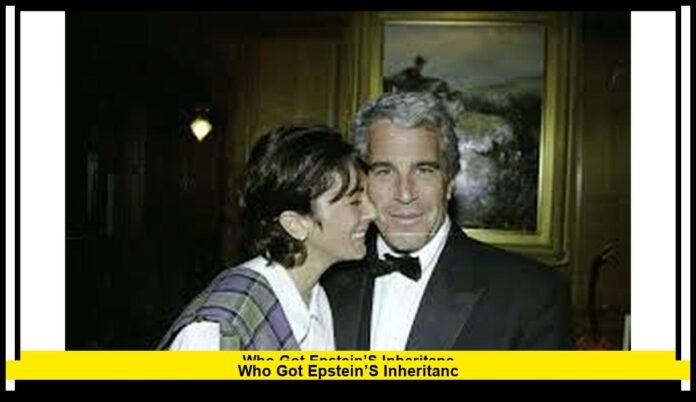

Who got Epstein’s inheritance remains a question with confirmed legal answers rooted in U.S. probate records, court-approved settlements, and estate administration actions that continue to shape how Jeffrey Epstein’s assets were handled after his death. As of today, the public record shows a structured process focused on claims resolution and restitution rather than private inheritances to named individuals.
This report presents only verified facts reflected in court outcomes and estate actions currently on record.
Where the Estate Stood After Epstein’s Death
Jeffrey Epstein died in August 2019 while in federal custody in New York. His death immediately triggered probate proceedings, freezing assets and initiating court oversight.
At that time, Epstein’s estate was widely described in filings as substantial, consisting of real estate, financial accounts, and personal property held across multiple jurisdictions. From the outset, the estate faced extensive civil exposure tied to allegations and claims.
The probate process shifted control from Epstein to the courts and appointed executors.
The Will and Its Immediate Effect
Epstein executed a will shortly before his death. The document transferred the bulk of his assets into a legal entity known as the 1953 Trust, named for his year of birth.
The will did not identify family heirs or list individual beneficiaries in the way most estates do. Instead, it centralized assets within the trust structure, which then became the focal point of legal scrutiny.
Courts treated the trust as part of the estate for purposes of resolving claims.
What the 1953 Trust Actually Did
The 1953 Trust did not function as a private inheritance vehicle. Its assets became the primary source used to address civil liabilities and settlements.
Judicial rulings and negotiated agreements established that funds held in the trust could be accessed to satisfy claims. The trust’s role evolved into one of financial accountability rather than distribution to personal recipients.
This distinction is central to understanding how the estate was ultimately used.
Compensation to Survivors Through a Formal Program
One of the largest and most documented uses of estate funds was the Epstein Victims’ Compensation Program, launched in 2020.
Confirmed outcomes of the program include:
- Payments totaling more than $120 million
- Compensation provided to over 100 survivors
- Funds drawn directly from estate-controlled assets
Participants accepted compensation in exchange for releasing the estate from further civil liability. This program marked the most significant transfer of Epstein’s wealth after his death.
Settlement With the U.S. Virgin Islands
A second major distribution came through a civil settlement with the U.S. Virgin Islands, where Epstein owned property and conducted extensive activities.
In 2023, the estate agreed to pay $105 million to the territory. The settlement resolved claims that the jurisdiction failed to stop Epstein’s conduct while benefiting from his presence.
The agreement received court approval and was funded through estate resources, further reducing remaining assets.
What Did Not Happen With the Estate
Despite persistent online speculation, no verified court documents show Epstein’s wealth being inherited by prominent individuals, public officials, or associates.
Probate records and settlement approvals confirm that assets were directed toward:
- Survivor compensation
- Government settlements
- Legal and administrative expenses
There is no evidence of secret payouts or personal inheritances confirmed by courts.
Executors and Oversight of the Estate
Epstein named two longtime associates as executors of his estate. Their role involved managing assets, responding to lawsuits, and negotiating settlements under court supervision.
Executor responsibilities included:
- Asset management and liquidation
- Payment of approved claims
- Compliance with court orders
Executors did not receive the estate as beneficiaries. Compensation for their work followed standard probate practices and required court approval.
Legal Costs and Administrative Expenses
Large estates involved in litigation generate substantial expenses. Epstein’s estate was no exception.
Confirmed uses of estate funds included:
- Attorney fees across multiple jurisdictions
- Court and filing costs
- Professional services tied to asset management
These payments reduced the estate’s total value and are documented as part of routine probate administration.
Assets Sold or Retained Under Court Control
Some estate assets have been sold under supervision to fund settlements and expenses. Other holdings remain tied to ongoing legal or administrative processes.
Courts continue to oversee remaining property and financial interests. There is no verified record showing a final, lump-sum distribution to any individual.
The estate remains subject to judicial control where unresolved matters persist.
Why the Question Keeps Circulating
Public curiosity around Epstein’s wealth remains intense due to the scale of his crimes and the secrecy often associated with trusts.
Social media narratives frequently suggest hidden beneficiaries. However, those claims lack confirmation in probate rulings or settlement agreements.
The documented record presents a narrower and more structured outcome than online speculation suggests.
What Courts Emphasized Throughout the Process
Judges overseeing related matters stressed restitution and accountability. Estate assets were treated as a source for resolving harm rather than preserving wealth for inheritance.
Attempts to limit access to trust funds faced legal challenges. Courts allowed claims to proceed and approved large settlements.
This approach shaped the final use of Epstein’s assets.
A Direct Answer Based on Records
When reviewing verified outcomes, the answer to who got epstein’s inheritance becomes clearer and more limited than rumors imply.
Confirmed recipients of estate funds include:
- Survivors through a formal compensation program
- A U.S. territorial government through settlement
- Professionals and courts through administrative costs
No personal heirs or named individuals have been confirmed as recipients.
Why Precision Matters in Reporting
Inaccurate claims can retraumatize survivors and mislead the public. Estate proceedings offer a documented trail that separates fact from fiction.
Responsible coverage relies on court approvals, payment records, and probate actions, not conjecture.
Clarity honors both the legal process and those affected.
Current Status and What May Come Next
As of today, portions of the estate remain under oversight pending resolution of remaining matters. Additional disclosures may occur through future filings.
Until courts finalize all proceedings, the public record reflects a consistent pattern of restitution-focused use of assets.
There is no indication of a shift toward private inheritance.
What This Case Reveals About High-Profile Estates
The handling of Epstein’s estate illustrates how U.S. courts can direct wealth toward civil accountability even after death.
Trusts do not automatically block claims. Probate courts retain authority to ensure lawful outcomes.
This case continues to influence how similar estates are examined.
The Bottom Line
Epstein’s wealth did not disappear, nor did it pass quietly to hidden heirs. Court-supervised processes redirected large portions toward compensation, settlements, and legal obligations.
That outcome stands as the most concrete legacy of the estate.
Share your thoughts on how justice systems should handle estates tied to serious wrongdoing, and stay engaged as any remaining court actions unfold.