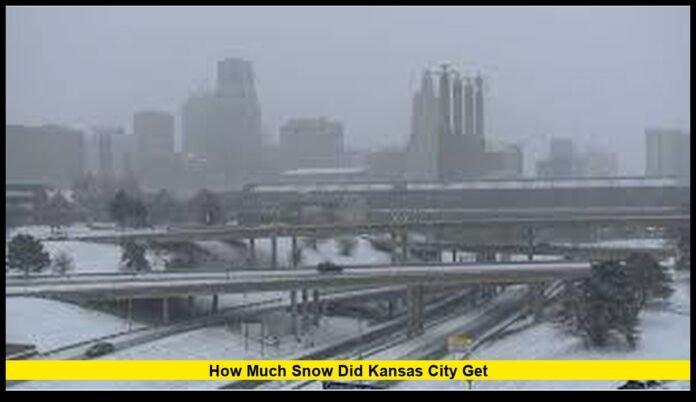

Residents across the metro have been asking how much snow did kansas city get after a powerful winter storm delivered one of the heaviest single-day snowfalls the area has seen in years. Measurable accumulation blanketed neighborhoods, major highways, and surrounding suburbs, setting new daily records and creating hazardous travel conditions as Arctic air followed close behind.
Snow began falling steadily and intensified through the day and night, piling up fast enough to overwhelm untreated roads and sidewalks. By the time the system moved out, large portions of the region were covered by several inches of snow, with some locations recording totals high enough to surpass long-standing January benchmarks.
Confirmed Snowfall Totals Across the Kansas City Area
Official measurements taken at multiple observation points across the metropolitan area showed a consistent swath of heavy snow:
- Kansas City International Airport recorded more than five inches, breaking the previous daily snowfall record for this date.
- Central Kansas City, Missouri neighborhoods measured close to five inches in several locations.
- Kansas City, Kansas, reported totals exceeding four inches.
- Independence, Overland Park, and nearby suburbs generally saw between three and five inches.
- Northern and western parts of the metro also logged accumulations in the same range, with slightly lower totals farther from the urban core.
These amounts place this storm among the most significant January snow events in recent decades for the region.
Why This Snowfall Was Unusual for Late January
Single-day snowfall records in Kansas City are not broken often. The previous record for this calendar date had stood for more than half a century. Exceeding it by such a wide margin highlights how intense and well-organized this storm system was as it moved across eastern Kansas and western Missouri.
The snow fell during a relatively short window, which increased accumulation rates and reduced melting, allowing totals to build quickly even on treated surfaces.
Travel and Transportation Impacts
The sudden buildup of snow created difficult driving conditions across interstates, state highways, and city streets. Crews worked continuously to clear major routes, but blowing snow and low temperatures made plowing and treatment challenging.
Air travel also experienced delays as runways and taxiways required repeated clearing. Visibility reductions during heavier bursts of snowfall further complicated operations during the peak of the storm.
School, Work, and Community Disruptions
Many school districts and public offices adjusted schedules, delayed openings, or closed altogether as the storm intensified. Public transportation systems operated on modified schedules in some areas, and emergency services urged residents to avoid unnecessary travel.
Neighborhood streets, particularly in residential areas, remained snow-covered well after the storm ended due to the combination of heavy accumulation and freezing temperatures.
Arctic Cold Followed the Snow
Shortly after the last flakes fell, a surge of Arctic air pushed into the region. Temperatures dropped sharply, with wind chills falling well below zero. This cold snap slowed snowmelt and increased the danger of icy patches, even on previously cleared roads.
The bitter cold also raised concerns about frostbite and hypothermia, especially for those outdoors for extended periods or without adequate winter protection.
How This Storm Fits Into the Season So Far
Seasonal snowfall totals in Kansas City typically build gradually through multiple moderate events. A single storm delivering more than five inches in one day represents a substantial contribution to the winter total and can shift seasonal averages quickly.
This event stands out not only for its depth but for its timing and the way it combined heavy snow with extreme cold immediately afterward.
What Residents Should Watch in the Coming Days
With snow remaining on the ground and temperatures staying below freezing, conditions are expected to remain slick in shaded and untreated areas. Drivers and pedestrians should continue to use caution, especially during early morning and nighttime hours when refreezing is most likely.
Public works crews will continue clearing operations, but persistent cold can slow progress and allow packed snow and ice to linger longer than usual.
How Much Snow Did Kansas City Get Compared to Other Recent Storms
When comparing this storm to others from recent winters, the totals place it among the more impactful single-day events, particularly because of the record-breaking measurement at the airport and the consistent accumulation across both the Missouri and Kansas sides of the metro.
The combination of widespread coverage, record daily totals, and severe cold makes this storm a notable entry in Kansas City’s winter weather history.
How much snow did kansas city get will likely remain a common question in the days ahead as residents assess neighborhood conditions, track cleanup efforts, and review how this storm compares with past winters.
What were conditions like in your area, and how did the snowfall affect your travel or daily routine? Share your experience or stay tuned for continued weather updates.