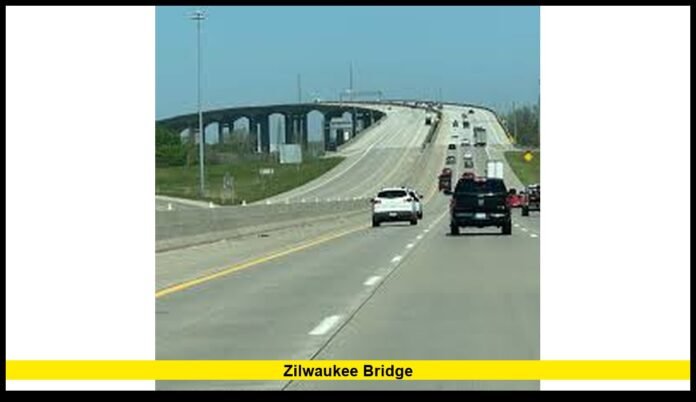

Zilwaukee Bridge travel conditions became a major issue for drivers across Mid-Michigan as severe winter weather caused dangerous icing, forcing temporary closures and widespread traffic slowdowns on one of the state’s most heavily traveled highway crossings.
As freezing rain moved through Saginaw County, the elevated structure of the Zilwaukee Bridge quickly turned slick, creating unsafe driving conditions. Multiple incidents involving passenger vehicles and commercial trucks led authorities to restrict access to the bridge to prevent further accidents. The situation developed rapidly, catching many commuters off guard and reinforcing the bridge’s reputation as a winter weather hotspot.
Winter Weather Creates Immediate Safety Risks
Freezing rain poses one of the most dangerous winter hazards for roadways, especially on elevated bridges. Unlike snow, ice can form invisibly, creating a deceptive surface that looks merely wet. On the Zilwaukee Bridge, this risk is amplified due to constant exposure to wind and colder air flowing over the Saginaw River.
Drivers approaching the bridge often transition from relatively manageable roads to treacherous ice within seconds. Even cautious braking can cause vehicles to lose control. During the most recent weather event, several spin-outs occurred in quick succession, signaling that conditions had crossed from hazardous to unsafe.
Officials moved quickly to prevent a chain reaction of crashes. Closing the bridge allowed emergency responders to address existing incidents while preventing additional vehicles from entering a high-risk zone.
Why the Zilwaukee Bridge Freezes Faster Than Other Roads
The design and location of the Zilwaukee Bridge contribute to its vulnerability during winter storms. Elevated roadways cool faster than surface streets because cold air circulates above and below the deck. When precipitation falls as freezing rain, ice bonds rapidly to the concrete surface.
The bridge’s height also exposes it to stronger wind gusts. Wind accelerates heat loss, allowing ice to develop even when temperatures hover near the freezing point. As a result, the Zilwaukee Bridge often becomes icy before nearby highways show visible signs of trouble.
These conditions make proactive closures essential. Waiting too long can allow accidents to pile up, blocking lanes and complicating emergency response efforts.
Traffic Backups Ripple Through the Region
When the Zilwaukee Bridge closes, the impact spreads far beyond the immediate area. Interstate 75 serves as a critical north-south corridor through Michigan, supporting commuter traffic, freight movement, and seasonal travel. A disruption at this crossing affects thousands of drivers within minutes.
During the latest closure, congestion built rapidly on alternate routes. Drivers diverted onto nearby highways and surface roads, many of which were also affected by winter weather. Travel times increased significantly, and intersections near detour points experienced heavy delays.
Local residents faced longer commutes, while long-distance travelers were forced to reroute or delay trips entirely. The closure highlighted how dependent the region is on the Zilwaukee Bridge for efficient movement.
Commercial Traffic and Economic Impact
The Zilwaukee Bridge plays a vital role in supporting commercial transportation. Freight trucks rely on I-75 to move goods between southern Michigan and northern destinations. When the bridge becomes impassable, delivery schedules are disrupted.
During winter closures, trucking companies may be forced to hold shipments or send drivers on longer routes, increasing fuel costs and delivery times. These delays can ripple through supply chains, particularly during peak shopping seasons when demand is high.
Local businesses also feel the effects. Service calls, appointments, and deliveries may be postponed, impacting daily operations. While safety remains the top priority, the economic significance of the bridge becomes clear during every closure.
A Key Link in Michigan’s Highway Network
The Zilwaukee Bridge carries both Interstate 75 and U.S. 23 traffic over the Saginaw River, making it one of the most important crossings in the state. It connects southeastern Michigan to northern regions known for tourism, recreation, and industry.
Before the current structure was completed, traffic relied on a drawbridge that frequently interrupted flow. The modern high-level bridge eliminated those delays, allowing uninterrupted travel for vehicles and river traffic alike.
Today, the bridge supports a constant stream of cars and trucks. Its reliability is essential for maintaining connectivity across Michigan, especially during winter when alternative routes may also be compromised.
Lessons From the Bridge’s Past
The Zilwaukee Bridge has a well-known construction history that still influences public discussion. During its early development, an engineering error caused a dramatic sag in a section of the structure, delaying completion and drawing widespread attention.
The issue was corrected through extensive repairs and redesign efforts. When the bridge opened, it did so with enhanced oversight and safety measures. Decades later, it continues to function as intended, carrying heavy traffic loads without structural failure.
Modern inspections confirm the bridge’s stability. Weather-related closures are precautionary responses to surface conditions, not indications of underlying structural problems.
Maintenance Efforts Strengthen Long-Term Safety
Routine maintenance plays a critical role in keeping the Zilwaukee Bridge safe and reliable. In recent years, crews have focused on preserving the deck surface, expansion joints, and concrete elements that experience wear from traffic and temperature changes.
Preventative work completed before winter helps reduce long-term damage and improves traction under normal conditions. However, even the best-maintained surface cannot fully prevent icing during freezing rain events.
Ongoing maintenance ensures that when conditions improve, the bridge can reopen quickly without lingering concerns about damage or deterioration.
Decision-Making During Weather Emergencies
Closing a major interstate bridge requires careful coordination. Transportation officials rely on real-time data, weather forecasts, and reports from law enforcement and road crews. When conditions deteriorate rapidly, decisions must be made quickly to prevent injuries and fatalities.
In the case of the Zilwaukee Bridge, multiple crashes within a short period often trigger closures. This approach prioritizes safety over convenience, recognizing that a short-term disruption is preferable to a major accident involving multiple vehicles.
Once conditions stabilize, crews work to treat the surface and clear incidents. Reopening occurs only after officials confirm that travel can resume safely.
Driver Awareness and Responsibility
Driver behavior plays a major role in winter safety on the Zilwaukee Bridge. Even when warnings are issued, some motorists underestimate the danger posed by freezing rain. Elevated roadways require extra caution, especially during rapidly changing weather.
Key safety practices include reducing speed well before reaching the bridge, increasing following distance, and avoiding sudden steering or braking. When closures are announced, respecting them helps protect both drivers and emergency responders.
Public awareness campaigns and real-time alerts aim to reinforce these messages, but individual responsibility remains essential.
Detours and Alternate Travel Options
When the Zilwaukee Bridge is closed, traffic is typically redirected to nearby highways that bypass the crossing. These detours are designed to handle increased volume, but winter weather can still slow movement.
Surface streets may also see heavier traffic, creating congestion in areas not accustomed to interstate-level flow. Drivers unfamiliar with the region should plan for extra travel time and remain alert for changing conditions.
Using traffic alerts and navigation tools can help identify the safest routes during closures, though flexibility is often required as conditions evolve.
Community Response and Adaptation
Residents of Saginaw County and surrounding areas are accustomed to winter disruptions, but each closure still presents challenges. Schools, businesses, and local services may adjust schedules to accommodate delays.
Despite the inconvenience, many community members recognize the necessity of closures during severe weather. Preventing serious accidents benefits everyone and reduces the likelihood of longer-term shutdowns caused by major incidents.
The bridge’s role in daily life becomes especially clear during these moments, highlighting its importance to the region.
Preparing for the Rest of Winter
Winter weather will continue to test the Zilwaukee Bridge in the months ahead. Ongoing monitoring and rapid response remain essential components of safety management.
Drivers can prepare by checking conditions before traveling, carrying emergency supplies, and allowing extra time for trips involving elevated roadways. Patience and caution go a long way toward reducing risk.
Transportation agencies will continue to assess conditions and respond as needed to keep traffic moving safely whenever possible.
Structural Integrity and Future Outlook
Despite frequent closures during winter storms, the Zilwaukee Bridge remains structurally sound. Regular inspections confirm its ability to withstand traffic loads and environmental stress.
Future improvements may focus on advanced surface treatments and enhanced monitoring technologies. These efforts aim to improve safety while preserving the bridge’s long-term functionality.
As a cornerstone of Michigan’s highway system, the bridge will remain a priority for maintenance and investment.
Communication Keeps Drivers Informed
Timely communication is critical during weather-related closures. Alerts allow drivers to adjust plans before reaching the bridge, reducing congestion and frustration.
Clear messaging helps drivers understand why closures occur and when conditions are expected to improve. Transparency builds trust and encourages compliance with safety measures.
As technology evolves, real-time updates will continue to play a key role in managing traffic during winter events.
The Ongoing Importance of the Zilwaukee Bridge
The Zilwaukee Bridge is more than a roadway. It is a vital connection that supports commerce, travel, and daily life across Michigan. Each winter storm underscores both its importance and the challenges of maintaining safe access in harsh conditions.
Temporary closures may disrupt travel, but they also demonstrate a commitment to safety. By responding quickly to dangerous conditions, officials protect lives and preserve the bridge’s ability to serve the region for decades to come.
Have winter closures on the Zilwaukee Bridge affected your travel plans? Share your experience or stay connected for the latest updates as conditions continue to change.