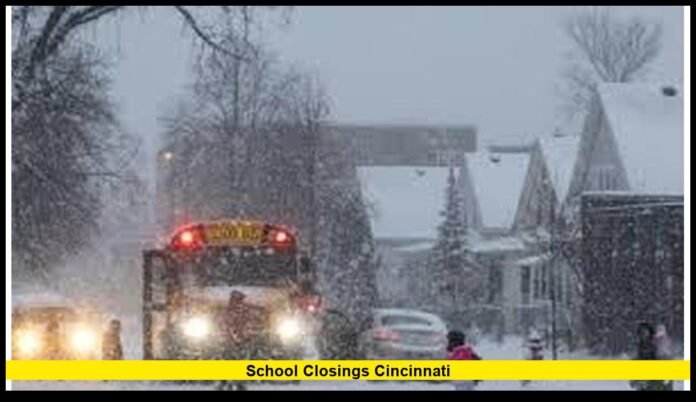

A powerful winter storm swept across the region on December 12, 2025, creating widespread disruption and prompting extensive school closings cincinnati announcements that affected families, educators, and commuters throughout the Tri-State. Snowfall, ice buildup, and dangerously low surface temperatures combined to force districts and colleges to cancel classes, delay openings, or switch to remote learning. The storm’s timing — hitting hardest during the early commute — made rapid decision-making essential for school leaders, transportation departments, and emergency crews.
Below is a comprehensive, detailed look at how the storm unfolded, which districts were affected, why leaders moved quickly to shut down in-person learning, and what families can expect as winter continues.
A Storm That Arrived Before Dawn
The winter system moved into the area late Thursday evening, bringing steady snowfall that transitioned into freezing drizzle in some neighborhoods. By early morning Friday, roads across Cincinnati, Northern Kentucky, and Southeast Indiana were covered in a mixture of snow and thin ice. Pavement temperatures remained below freezing long enough to reduce the effectiveness of salt treatments, especially on side streets and bus routes.
District leaders began evaluating road conditions around 4 a.m., coordinating with transportation supervisors and city crews. By sunrise, visibility fluctuated between light snow and fog, and reports of slick roads increased. The result was a wave of closures that rolled through the region throughout the early morning hours.
A Wide Range of Districts Activated Closures or Delays
Families across the Tri-State awoke to a long list of closures. Public school systems, private schools, charter schools, and multiple colleges announced shutdowns or delayed schedules. Some districts pivoted to remote learning plans already prepared for winter emergencies, while others opted for full cancellations based on transportation concerns.
The most populated districts, including Cincinnati Public Schools and several large suburban systems, announced that buses would not operate safely on many residential streets. Smaller districts followed suit, citing icy routes and limited staffing for transportation and maintenance crews working overnight.
Even colleges and universities that typically push forward with normal operations adjusted schedules. Many delayed their openings to allow time for parking lots, campus walkways, and surrounding roads to be treated. Some relocated morning classes to online platforms, especially for courses with major exams scheduled.
Why District Leaders Decided to Cancel In-Person Classes
The primary reason behind the closures was road safety. Although snowfall levels varied across the region, the presence of ice on top of snow created problematic conditions for school buses and student drivers. Roads that appeared wet were, in many cases, coated with black ice that was difficult to spot.
Additional factors included:
- Temperature drops that prevented de-icing materials from working quickly.
- Hilly neighborhoods where buses risked sliding, especially in older parts of the city.
- Limited morning visibility during key travel times.
- Staffing constraints, as some employees were unable to commute safely.
Districts emphasized that safety decisions rely on a combination of weather data, on-the-ground inspections, and transportation assessments. With unpredictable icing patterns across neighborhoods, many opted for a cautious approach.
The Immediate Impact on Families
Friday morning demanded quick adjustments. Parents working outside the home had to secure childcare or request remote work accommodations. Families relying on school meal programs looked to district announcements for distribution options, with some schools offering limited pickup windows for grab-and-go meals.
Childcare centers also saw a surge in demand, though several closed due to the same road conditions. High school students who work part-time faced schedule conflicts, particularly in roles requiring early arrival. Colleges reported that some students living off-campus had difficulty navigating roads, even when campuses remained partially open.
At-home learning environments quickly became active in districts using remote instruction. Teachers shared lesson plans through district platforms, and students logged in for attendance or independent assignments.
How Districts Communicated the Rapid Closures
Most school systems rely on early-morning communication protocols, and on this storm day, those systems were heavily used. Families received alerts through:
- Automated text notifications
- Email announcements
- Updated banners on district websites
- Social media posts from official district accounts
- Local news station morning updates
Families with multiple children in different districts sometimes received notifications at different times, as each district evaluates its conditions independently. Administrators also emphasized the importance of keeping contact information updated, especially during winter months when rapid communication is essential.
Transportation Challenges That Influenced the Decisions
The transportation departments faced difficulties beyond simple snow accumulation. Many residential streets remained untreated because crews focused on primary routes first. When the freezing drizzle hit, those untreated surfaces became especially hazardous.
Specific challenges included:
- Buses slipping on inclines and declines in hilly neighborhoods.
- Delayed warming of diesel engines in extreme cold.
- Icy sidewalks near bus stops, raising concerns for students waiting outdoors.
- Limited visibility for drivers navigating narrow streets.
Maintenance crews worked overnight and throughout the morning, but the layered precipitation made cleanup slower than usual.
Effect on Athletics, Activities, and School Events
Winter weather closures triggered widespread cancellations of extracurricular programs. Athletic directors postponed games, tournaments, and practices scheduled for Friday. Fine arts events — including concerts and theater rehearsals — were also impacted, with several schools choosing to reschedule or shift to weekend time slots.
Colleges faced additional challenges with planned finals week schedules. Some institutions delayed major exams or offered online alternatives to accommodate students unable to travel. Campus organizations postponed meetings and social events due to building schedule changes.
Businesses and Workplaces Felt the Ripple Effects
While schools were the most visible institutions affected, businesses across the Cincinnati region experienced disruptions as well. Many employees called out or worked remotely. Employers with essential staff communicated modified reporting times to align with safer travel windows.
Retail operations saw reduced foot traffic until roads improved later in the day. Meanwhile, service industries reported delays in deliveries, staffing shortages, and slower customer flow during morning hours.
Local Government and Emergency Response
City, county, and state officials monitored road conditions through the day. Plow teams treated main roads repeatedly, but secondary streets and neighborhood routes took longer to address. Emergency services responded to multiple reports of disabled vehicles, minor accidents, and road blockages caused by ice.
Public safety messages encouraged residents to stay off the roads unless absolutely necessary. Authorities reminded drivers to keep emergency supplies in their cars, including blankets, phone chargers, flashlights, and basic food items.
How Families Prepared for the Remainder of the Weekend
With colder air settling in behind the storm, schools advised families to stay alert for potential schedule adjustments in the days ahead. Power outages were limited and short-lived, but officials encouraged households to review their winter readiness plans, including:
- Flashlights and batteries
- Backup charging devices
- Home heating system checks
- Safe storage of ice melt or salt
- Weather-appropriate clothing for children
Districts also reminded families to watch for announcements regarding makeup days or future remote learning procedures.
What Districts Are Doing to Prepare for Future Storms
Schools across the region typically enter winter with established inclement-weather protocols. These plans include decision-making timelines, transportation evaluations, and communication strategies that ensure families receive timely updates.
Looking ahead, districts are focusing on:
- Expanding remote-learning capabilities
- Strengthening early-morning communication tools
- Reviewing bus route vulnerability during icy conditions
- Coordinating more closely with local road crews during multi-phase storms
Facilities teams continue restocking salt supplies, checking generator systems, maintaining heating units, and preparing parking lots for future weather events.
The Broader Significance of the Day’s Closures
Winter storms in the Tri-State are not uncommon, but the December 12 event highlighted how quickly weather can escalate and affect daily life. The widespread closures underscored the challenges of operating a large network of public and private schools across varied terrain and microclimates.
For many families, the day served as a reminder that winter preparedness is essential — not just for schools and emergency services but also for households, employers, and students at every grade level.
Conclusion
The winter storm that hit the region on December 12 brought heavy snow, icy roads, and significant morning hazards, leading to widespread school closings cincinnati and a full day of adjustments for thousands of families. Safety remained the priority as districts, colleges, and local authorities worked to protect students and staff from dangerous travel conditions. As winter continues, families across the Tri-State are preparing for additional weather events, staying connected to district communication channels, and keeping emergency plans up to date.