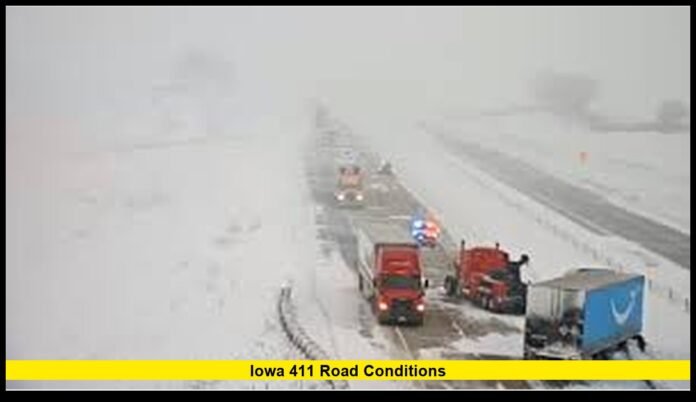

Snow, slush, and icy surfaces continue to affect travel across Iowa today. Anyone checking iowa 411 road conditions this morning will see widespread alerts as a powerful winter storm brings dangerous conditions to highways, county roads, and city streets. Road crews are working nonstop, yet many areas remain difficult to navigate due to drifting snow, refreezing, and ongoing precipitation.
The combination of heavy snowfall and rapidly dropping temperatures has created unpredictable surfaces throughout the state. Interstates and major U.S. highways have seen repeated plowing, but slick patches remain. Residential neighborhoods and rural byways are slower to recover, making travel a challenge for thousands of drivers.
Statewide impacts from the winter storm
The storm intensified overnight, blanketing much of Iowa in snow and creating a mix of slush and ice that makes traction difficult. Even where crews have cleared lanes, wind gusts push snow back across the pavement. Drivers are encountering sudden changes in surface quality, especially when moving from treated highways to untreated secondary roads.
Bridges and overpasses present an even greater hazard. These structures freeze faster than other road surfaces, and the cold temperatures have kept many of them slick despite treatment. Rural roads, many of which are gravel or minimally maintained in winter, remain some of the most hazardous routes today.
Iowa officials continue cautioning drivers that conditions can shift quickly. What appears to be clear pavement may hide black ice, and any shaded stretch of road may take significantly longer to thaw. Because temperatures remain low across much of the state, icy patches will likely persist throughout the day.
Real-time road updates show ongoing challenges
Statewide road data continues to update frequently as crews report new incidents, closures, and lane restrictions. Many stretches of road fall into the “partially covered” or “completely covered” categories. Drivers may notice improved traction one mile and then encounter compacted snow or icy layers moments later.
Some local governments enacted travel advisories early this morning. Others temporarily paused nonessential towing during the height of the storm. These tow bans are used when conditions are so poor that calling out tow trucks could put workers at unnecessary risk. Some bans have been lifted, but drivers should still expect delays if they slide off the road or become stuck.
Snow ordinances remain active in multiple cities. These rules require residents to move vehicles off public streets, allowing plows to operate effectively. Cars left in the roadway can block plows, delaying snow removal and creating hazards for neighbors.
Regional analysis: where conditions are worst
Eastern Iowa
Snow continues falling in parts of eastern Iowa, bringing reduced visibility and causing treated surfaces to refreeze. Interstates are improving, yet rural and county roads remain difficult due to drifting and compacted snow. Motorists in this region should anticipate slow travel and limited passing opportunities.
Northeastern Iowa
The northeast has seen some of the heaviest snowfall statewide. Many county roads remain completely snow covered. Low visibility creates additional risk. Motorists traveling through smaller towns or open agricultural areas should use extreme caution and avoid unnecessary travel.
Central Iowa
Interstates and major roads are more consistent here, though slick spots remain. Side streets and subdivisions in larger cities are still dealing with snowpack and ice, particularly where plows were delayed by parked vehicles.
Western Iowa
Windy conditions continue to push snow across roadways, creating drifted sections that can surprise drivers. Even plowed roads may develop sudden mounds of snow at field edges, making rural travel a challenge.
High-impact travel disruptions
Accidents and slide-offs have been reported across multiple counties today. City police departments in affected areas urged residents to avoid nonessential trips, especially during the early-morning commute. Many of these incidents occurred on entrance ramps, overpasses, and intersections where refreeze happens quickly.
Emergency response agencies emphasized that slippery roads reduce their response times. Some rescue units may take longer to reach callers due to blocked or slow-moving traffic. As a result, authorities continue to urge caution and recommend staying off roads until conditions stabilize.
What to expect as the day continues
Road crews will remain active throughout the day as they rotate through primary and secondary routes. With temperatures staying low, the likelihood of refreeze remains high. Even after plows pass, moisture left on the pavement can turn to ice.
Some cities plan secondary plowing operations this afternoon, especially in neighborhoods that received heavy accumulation. Counties may begin clearing gravel roads later in the day once higher-priority paved routes improve.
Motorists should also anticipate temporary lane reductions, reduced speed limits, or short-term closures as crews respond to accidents or treat icy trouble zones. These delays can occur with little warning and may affect travel times substantially.
Travel recommendations for Iowa drivers
- Check the latest updates before leaving home. Conditions may already have changed since the last time you looked.
- Avoid unnecessary travel. Stay home if your route includes rural roads or untreated surfaces.
- Slow down and increase following distance. This gives you more time to react when surfaces change.
- Treat every bridge, overpass, and on-ramp as icy. These areas freeze first and thaw last.
- Keep an emergency kit in your vehicle. Include blankets, water, a flashlight, and a portable phone charger.
- Remove vehicles from public streets when snow ordinances are in effect. This speeds plowing and prevents citations or towing.
- Do not attempt rural detours during poor visibility. Drifted snow can make these routes impassable.
Why Iowa’s winter roads are so challenging
Iowa’s landscape and climate combine to create fast-changing road conditions in winter. Wide stretches of farmland allow wind to sweep across highways. This leads to drifting snow even on cleared roads. Temperature swings can turn slush into ice within minutes. Rural counties maintain extensive gravel road networks, many of which are difficult to clear in storms.
Plow crews face long routes, sometimes requiring hours to complete one full pass. In strong winds, cleared roads can become snow-covered again before the route is finished. When multiple snow events occur back-to-back, clearing becomes even more challenging because crews must focus first on interstates and high-traffic roads.
Who is most impacted by today’s conditions
- Daily commuters who rely on interstates and urban streets face delays, slow lanes, and unpredictable traction.
- Rural residents often deal with the worst road surfaces because snow drifts and limited plowing leave roads packed for longer.
- Long-distance travelers are seeing variable conditions from county to county, with some areas nearly clear and others fully snow covered.
- Local residents in cities with snow ordinances must relocate vehicles to allow plows to finish their work.
Safe-driving reminders
- Keep your headlights on, even during daylight snow.
- Avoid using cruise control on slick surfaces.
- Carry a full tank of gas in case you become delayed or need to take alternate routes.
- If you become stranded, stay with your vehicle unless instructed otherwise by emergency responders.
- Make yourself visible by keeping dome lights on and using hazard lights if needed.
Continued efforts from road crews and officials
State and local crews continue working in shifts to ensure the safest possible travel conditions. Interstates, U.S. highways, and major state roads remain top priority. Secondary roads will take longer to clear, particularly in areas dealing with heavy winds or drifting snow.
Law enforcement agencies continue urging drivers to stay alert. They also remind motorists to allow snowplows extra space. Passing a plow can be dangerous due to reduced visibility and airborne snow.
Municipalities enforcing snow ordinances will continue to ticket or tow vehicles in violation once enforcement resumes. Clearing residential streets depends heavily on driver cooperation.
Planning ahead for upcoming travel
Drivers should plan their travel with caution for the rest of the day. Check updates regularly, as conditions may improve in some areas while deteriorating in others. If planning a longer trip, build in extra time and identify alternate routes that avoid rural or less-treated roads.
Even after skies clear, refreeze will remain a major threat overnight. Morning commuters tomorrow should expect slick surfaces, especially on elevated and shaded roadways.
Final guidance for Iowa travelers
Iowa’s road network is under pressure from this winter storm, and conditions vary widely across regions. Snow-covered pavement, icy patches, accidents, and temporary travel restrictions continue to shape the day’s traffic landscape. The safest approach is to drive only when necessary, remain alert at all times, and use reliable travel updates before heading out.
Staying patient, prepared, and aware will help keep you and other travelers safe until conditions stabilize.