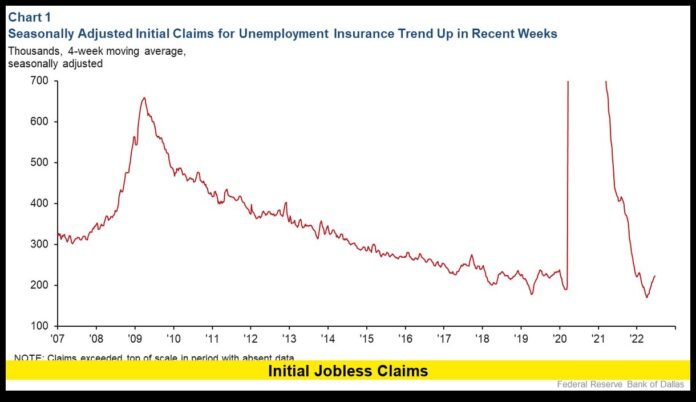

The latest report shows that initial jobless claims dropped to 191,000 for the week ending November 29, 2025 — the lowest level since September 2022. This steep fall comes after a prior reading of 218,000 and well below many economists’ expectations.
What the Numbers Reveal
| Week Ending | Seasonally Adjusted Initial Claims | Change from Previous Week |
|---|---|---|
| Nov 29, 2025 | 191,000 | –27,000 |
| Nov 22, 2025 | 218,000 | – |
The four-week moving average, which smooths out weekly volatility, also continues its downward slope, signaling that the latest drop is more than just a statistical blip. Meanwhile, the number of people continuing to collect benefits edged down slightly — yet remains elevated compared with pre-pandemic norms.
Initial jobless claims are widely watched because they offer the earliest snapshot of layoffs and emerging unemployment in the United States. In other words, when this number rises sharply, it often signals a weakening labor market — and when it drops, it suggests relative labor market strength.
Why This Drop Matters
Labor Market Resilience
A reading of 191,000 indicates that layoffs remain historically low. Many major employers recently announced job-cut plans. Yet, for now, those cuts haven’t translated into a surge of unemployment-benefit filings.
Signs of “No-Hire, No-Fire” Dynamics
Combined with modest or even negative job-growth numbers in recent months, this suggests many firms are holding onto current employees but are not aggressively hiring. The result: employment is stable but stagnant.
Implications for Policy and Markets
With layoffs subdued, pressure on the central bank to ease monetary policy weakens. If the labor market remains firm, the case for further interest-rate cuts becomes more tenuous. That in turn could influence borrowing costs, investment, and financial markets broadly.
What’s Behind the Decline in Claims
- Layoffs haven’t yet materialized: Firms announcing cuts may delay actual layoffs. Severance, transition programs, or rehiring in alternate roles can all postpone unemployment-benefit filings.
- Companies are cautious on hiring: Rather than firing en masse, many employers are simply hiring less — contributing to the “slow-hire, slow-fire” trend.
- Seasonal and statistical adjustments: The data was released right after the Thanksgiving holiday. While adjustments account for seasonality, holidays can still introduce temporary distortions.
Context: Labor Market Beyond the Weekly Count
This recent claims data doesn’t exist in isolation. Other indicators paint a broader picture:
- Private-sector job reports recently showed a modest net loss or flat growth.
- The U.S. unemployment rate remains elevated compared with a year or two ago.
- Even as layoffs stay low, finding new work seems harder. The pool of continuing unemployment benefit recipients remains relatively high — a possible sign of persistent underemployment or slower hiring.
Together, these trends suggest that while the labor market isn’t collapsing, it isn’t booming either. Many workers may find stability — but fewer are landing new jobs.
What This Means for Different Stakeholders
For Job Seekers
A low number of new claims benefits those already employed. However, if firms aren’t hiring aggressively, competition for new openings will remain stiff. Patience and persistence will pay off.
For Employers
In a cautious economy, holding onto staff can preserve skills and morale. But without strong demand, employers may continue to hold back on new hiring. That conservative stance could save costs, but also limit growth.
For Policymakers and Investors
Sustained low initial jobless claims give central bankers less reason to cut interest rates — especially if inflation remains a concern. For investors, that could translate into stable but not explosive growth expectations.
What to Watch in the Coming Weeks
- Whether initial jobless claims stay low or begin to trend upward. A consistent rise could signal weakening job security ahead of broader unemployment data.
- New monthly employment reports, particularly total non-farm payroll numbers, which will indicate whether the labor market is truly stable or slowly deteriorating.
- Signals from employers about hiring or layoffs, especially across industries sensitive to economic cycles.
- Central bank moves: interest-rate decisions and any statement that reflects their view of economic strength.
The drop to 191,000 in initial jobless claims suggests the U.S. labor market remains surprisingly resilient — even as new hiring stalls and employment growth remains tepid. The result is a stand-still: low layoffs, low hiring, and continued uncertainty for job-seekers.
Curious what the next weekly reading brings? Stay tuned — and feel free to share your take on what it could mean for your career or investments.