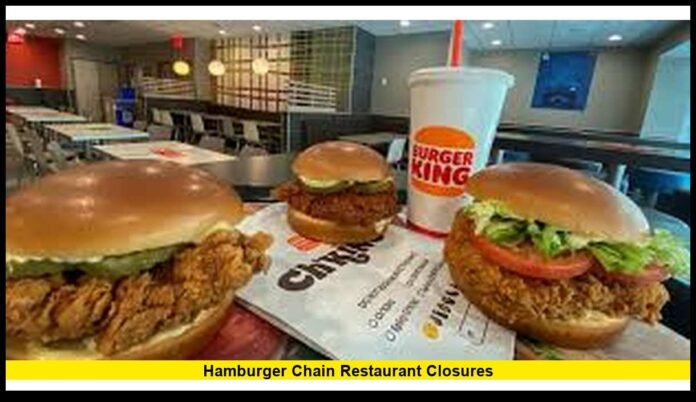

The topic of hamburger chain restaurant closures is taking center stage in recent U.S. business and consumer news, as several major fast-food brands announce large-scale downsizing plans across the country. One of the most notable developments is the announcement from Wendy’s that it will close between 200 and 350 restaurants nationwide by the end of 2025, continuing into 2026. This move represents a “mid single-digit percentage” of its total U.S. locations and highlights the growing pressures facing the fast-food industry.
What’s Driving These Closures?
The wave of hamburger chain restaurant closures can be attributed to a combination of economic challenges, shifting consumer behavior, and internal restructuring efforts. Key factors include:
- Rising costs: Increases in beef prices, labor wages, and energy expenses have significantly cut into profit margins.
- Falling sales in certain regions: Many chains have reported declining same-store sales and weaker foot traffic in underperforming markets.
- Strategic restructuring: Some brands are closing weaker locations to focus resources on more profitable or high-traffic areas.
- Franchise struggles: Franchise owners facing high costs and low returns are choosing to exit the business rather than reinvest.
- Evolving competition: Newer burger concepts, plant-based options, and value-driven fast-casual competitors are reshaping market demand.
Key Figures to Note
Here’s a breakdown of current and upcoming closures across well-known hamburger chains:
| Chain | Announced Closures | Notes |
|---|---|---|
| Wendy’s | 200–350 locations | Part of an efficiency plan to close underperforming restaurants by the end of 2025. |
| BurgerFi | ~15 locations | Targeted closures to reduce losses and focus on franchise strength. |
| Burger King | 300–400 locations | Announced in 2024, continuing through 2025 as part of a turnaround effort. |
| Smashburger | Select locations | Streamlining operations to focus on profitable metro areas. |
| Hardee’s | Dozens of closures | Targeting older, low-performing locations to modernize the brand. |
Impact on the Burger Industry
The closure of hundreds of hamburger chain restaurants across the U.S. is reshaping the fast-food landscape. While burgers remain a staple of American dining, the economics of running large-scale restaurant networks are changing fast.
For franchise owners, the pressure is mounting. Many are struggling with higher labor costs and mandatory renovations, which make older stores less viable. Some are selling their locations or choosing not to renew leases.
For consumers, these closures mean fewer nearby locations—especially in small towns or suburban areas where profitability is thinner. Urban markets, meanwhile, are seeing investment shift toward digital and delivery-only kitchens.
From a corporate perspective, chains are refocusing on modernization. Wendy’s, Burger King, and other burger leaders are investing in new technologies like AI-driven drive-thrus, digital menu boards, and faster kitchen systems to boost efficiency and sales.
Changing Consumer Habits
Another major driver of the hamburger chain restaurant closures is a change in what and how Americans eat. Consumers are:
- Seeking more variety—from chicken sandwiches to plant-based burgers.
- Prioritizing value and deals due to inflation.
- Shifting toward delivery and mobile orders, which reduces the need for as many physical stores.
- Focusing on healthier options, leading to competition from salad, bowl, and sandwich chains.
As a result, legacy burger brands are trimming down to make room for innovation. Fewer stores may actually mean stronger performance for those that remain open and modernized.
Economic and Employment Effects
The closures will also have ripple effects beyond the restaurant sector. Local economies that rely on fast-food jobs could face temporary job losses. However, some staff may be relocated to nearby outlets or absorbed into other chains expanding in the area.
Commercial real estate markets are also affected, with vacant spaces opening opportunities for convenience stores, coffee shops, or smaller restaurant brands looking to expand.
Industry Response and Future Outlook
Industry analysts view these hamburger chain restaurant closures as part of a necessary “reset” for the fast-food sector. With profitability under strain, the emphasis is now on leaner operations, innovation, and customer experience rather than simply expanding footprint.
Brands that adapt—by offering flexible menus, better digital integration, and improved service quality—are likely to emerge stronger. On the other hand, chains that fail to modernize could face deeper declines in the next 12–18 months.
By the end of 2026, the burger industry is expected to see a smaller but more efficient network of restaurants across the U.S. The focus will increasingly shift toward fewer, more profitable stores that deliver higher quality and better customer engagement.
Why This Matters to Consumers
For everyday diners, this shift means:
- Less accessibility in some areas where multiple locations used to compete.
- Improved experience in remaining stores that have been remodeled or upgraded.
- Potentially higher prices as chains try to offset rising costs.
- More digital integration, from app-based ordering to loyalty programs.
The closures reflect broader changes in how Americans dine—more convenience, more customization, and less tolerance for inconsistent quality.
Conclusion
The trend of hamburger chain restaurant closures signals a transformation in one of America’s most iconic industries. As chains recalibrate their strategies to survive economic headwinds and shifting customer habits, the fast-food burger experience is evolving rapidly. Whether this results in stronger, more focused brands or continued contraction will depend on how effectively companies balance innovation with cost control.
What do you think this means for your favorite burger spot? Share your thoughts below and stay tuned for more updates on the changing fast-food landscape.