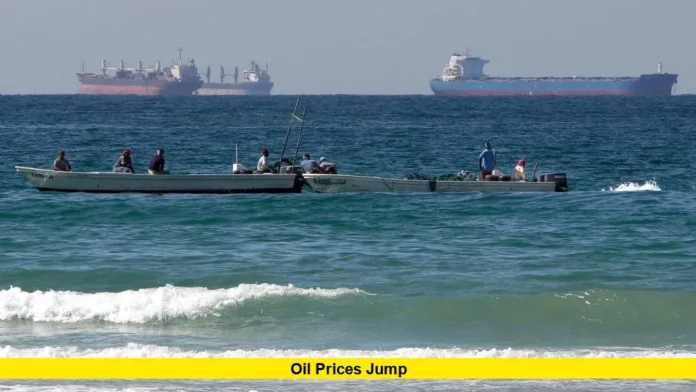

Global energy markets moved sharply higher over the weekend as tensions intensified around the Strait of Hormuz, a critical artery for global oil shipments. The latest developments have triggered renewed fears of supply disruptions, pushing crude prices upward and raising concerns about the broader economic impact.
Oil Market Reacts to Geopolitical Shock
Oil prices recorded notable gains on Sunday, reflecting growing uncertainty in the Middle East. According to data reported by Reuters and Bloomberg, Brent crude rose approximately 2.14% to $107.58 per barrel, while U.S. crude climbed about 2.08% to $96.36.
As per analysis published by The Wall Street Journal, markets are reacting less to immediate shortages and more to the risk of future disruptions. Traders often price in geopolitical threats quickly, especially when key supply routes are involved.
Iran Signals Hardline Position
The situation escalated following strong remarks from Masoud Pezeshkian, who stated that the Strait of Hormuz would “under no circumstances” return to its previous status. According to Iran’s state broadcaster Islamic Republic of Iran Broadcasting, these comments were made during discussions with Shehbaz Sharif.
As reported by Al Jazeera, the Iranian president accused the United States of undermining trust and reiterated that Tehran would not engage in what it described as “forced negotiations.” He further emphasized that any diplomatic progress would depend on the removal of U.S. naval pressure near Iranian ports.
According to coverage from BBC News, Iran had already accused the U.S. of “breaches of trust” earlier in the week, deepening the diplomatic rift.
Diplomatic Breakdown Adds Pressure
On the U.S. side, Donald Trump canceled a planned envoy visit to Islamabad. As reported by The New York Times, the move followed Iran’s refusal to engage in direct talks.
According to reporting by CNN, Trump attributed part of the breakdown to internal divisions within Iran’s leadership. Analysts cited by CNN noted that such disagreements can complicate diplomatic negotiations.
Why the Strait of Hormuz Is Critical
The Strait of Hormuz plays a vital role in global energy supply. According to estimates referenced by International Energy Agency and reported by Financial Times, nearly 20% of the world’s oil passes through this narrow channel.
As per shipping analysis published by Lloyd’s List, even limited disruptions can create significant delays and increase transportation costs globally.
Impact on U.S. Gas Prices
Rising crude prices are already affecting consumers in the United States. According to data released by AAA and reported by USA Today, the national average price for gasoline reached $4.10 per gallon.
As per CNBC, gas prices have increased roughly 27% since the beginning of the conflict, reflecting the broader impact of global oil market volatility.
Broader Economic Implications
The surge in oil prices could have far-reaching consequences. According to analysis from The Economist and Forbes:
- Inflation could rise as energy costs increase
- Central banks may face renewed pressure on interest rate decisions
- Global trade costs could climb due to higher shipping expenses
- Economic growth in oil-importing nations may slow
As reported by these outlets, sustained oil price increases often ripple through multiple sectors of the global economy.
What to Watch Going Forward
The trajectory of oil prices will largely depend on developments in the Persian Gulf. According to geopolitical analysis from Council on Foreign Relations, key factors include diplomatic engagement, military activity, and shipping access.
As per reporting by Associated Press, even minor incidents in the region can trigger significant reactions in global markets.
Conclusion
The latest rise in oil prices underscores how sensitive global markets are to geopolitical tensions. According to multiple reports from Reuters, Bloomberg, and other major outlets, the situation surrounding the Strait of Hormuz remains highly volatile.
With diplomatic efforts stalled and uncertainty lingering, both consumers and investors should prepare for continued fluctuations in energy prices.
Disclaimer
This article is based on publicly available information and reporting from organizations including Reuters, Bloomberg, BBC News, The New York Times, CNN, and others. This content is intended for informational purposes only and does not constitute financial, investment, or political advice.