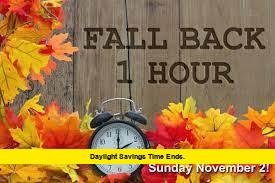

Daylight Savings Time Ends: What the U.S. Needs to Know for 2025When daylight savings time ends, Americans across most states will shift clocks back one hour at 2:00 a.m. on Sunday, November 2, 2025. This annual transition marks the return to standard time, with homes, businesses, and commuters facing earlier sunsets and brighter mornings. According to national timing resources, the clocks will be turned back one hour from 2:00 a.m. local daylight time to 1:00 a.m. local standard time, effectively giving the nation an extra hour of rest.
What Exactly Happens When Daylight Savings Time Ends
Under the U.S. schedule for the year, daylight savings time ends the first Sunday in November; for 2025, that date is November 2. On that morning at 2:00 a.m., clocks will be set backward one hour. As a result:
- You gain an extra hour of sleep (or at the very least an extra hour on your clock).
- Sunrise and sunset occur approximately one hour earlier than the previous day.
- Evening light becomes shorter, meaning darkness falls earlier in the day.
- Morning light arrives a bit sooner, which may help early risers or those with morning routines.
These changes hold steady for most of the country until the next daylight savings time begins again in the spring.
Where the Change Applies — and Where It Doesn’t
While most U.S. states observe the change, some do not. Areas that skip daylight savings time entirely remain on standard time year-round. Specifically:
- States/Territories that do not adjust their clocks include: Hawaii; most of Arizona (excluding the Navajo Nation region); Puerto Rico; Guam; American Samoa; U.S. Virgin Islands; and Northern Mariana Islands.
- In all other states that observe daylight saving time, the November 2, 2025 clock-change applies.
It’s important to check local time-zone rules if you travel between states or across borders during the transition period.
Practical Impact on Your Daily Life
When daylight savings time ends, the ripple effects go beyond the clock. Consider these real-world implications:
- Sleep Routine & Health: Although regaining an hour can feel like a bonus, the shift may still alter your circadian rhythm. Experts recommend getting outside shortly after waking to help your body readjust.
- Commute and Commute Safety: Earlier darkness in the evening can increase risk for pedestrian and vehicle accidents. If you commute during dusk, plan for lower visibility.
- Energy & Lighting: With sunset arriving earlier, many households will rely on artificial lighting and possibly heating earlier in the day, shifting energy consumption patterns.
- Mood & Daily Activities: The earlier onset of night can affect social routines or outdoor plans. For families and early-rising routines, the brighter mornings are a positive, but the shorter evenings may feel like less free time.
- Business Operations: Retailers, entertainment venues, and service operators may see changes in foot traffic patterns as dusk comes sooner, affecting closing times and customer habits.
By knowing ahead that daylight savings time ends, you can adjust your schedule, home lighting, and lifestyle choices proactively.
Timeline & Key Dates for 2025
Here’s a concise look at the dates relevant for this transition:
| Event | Date | What to Do |
|---|---|---|
| Clocks go back (“fall back”) | Sunday, November 2, 2025 at 2:00 a.m. | Set clocks back 1 hour (to 1:00 a.m.). |
| Next change | Sunday, March 8, 2026 at 2:00 a.m. | Clocks will move forward 1 hour. |
| Non-observing regions | Year-round | No clock change required. |
| Remembering this timeline helps you avoid confusion or missed appointments during the shift. |
Why Do We Still Have the Time Change?
The practice of shifting clocks biannually has its roots in energy-conservation efforts, originally implemented during wartime. In the U.S., daylight saving and standard time are governed by federal law. The current schedule (second Sunday in March to first Sunday in November) has been in place since 2007.
That said, the benefits of the change are increasingly debated. Some of the reasons include:
- Energy Use: While originally promoted as an energy-saving measure, recent studies show minimal net benefit, and in some cases even increased consumption.
- Health & Safety: Changing clocks disrupts human circadian rhythms, which may increase risk for certain health issues or accidents.
- Public Opinion & Policy: Polls indicate most Americans favor eliminating the clock-shift entirely. Legislation such as the Sunshine Protection Act has been proposed to make daylight saving time permanent, but so far no federal law has ended the change.
Currently, the system remains: change in spring, revert in fall. The fact that daylight savings time ends in early November is part of that structure.
What To Do This Coming Weekend
Here are some steps you can take as the change approaches:
- Before Bed on Saturday, November 1: Manually check and adjust any non-automatic clocks (wall clocks, microwaves, ovens, vehicle clocks) to move them back an hour.
- Reset Smart Devices: Most smartphones and computers adjust automatically, but it’s wise to check alarms, scheduled systems, or anything linked to timed routines.
- Evening Routine Adjustment: Since your evening will become darker sooner, consider shifting any outdoor or low-light activities earlier to avoid the gloom.
- Morning Light Exposure: On Sunday and Monday, get outside shortly after waking to help your body’s internal clock adapt to the shift.
- Check Safety Devices: Many public-safety guides use this change as a reminder to test smoke alarms, change batteries, and update home safety routines.
- Plan for the Week Ahead: Understand that your evenings will now trend shorter, so adjust activities, appointments, or productivity habits accordingly.
Frequently Asked Questions
When exactly do I set my clock back?
Most people should do it at 2:00 a.m. local daylight time on Sunday, November 2, 2025. At that moment the clock goes back to 1:00 a.m. local standard time. Alternatively, many sets of consistent advice suggest setting the clock back just before going to bed Saturday night.
Why does the time change happen at 2:00 a.m.?
2:00 a.m. is chosen because it is a low-traffic hour for most travel, commerce and transit, which minimizes disruption when the change is applied.
What about states that don’t observe daylight savings time?
If you live in Hawaii, most of Arizona, or U.S. territories like Puerto Rico or Guam, you are not required to adjust clocks—the time remains unchanged throughout the year.
Will this be the last time we adjust clocks?
Not yet. Though proposals exist, no law has changed the nationwide requirement. Therefore, when daylight savings time ends on November 2, 2025, and again the next spring the clocks will move forward until a new law is passed.
How will this affect my daily commute or schedule?
Expect earlier sunsets—meaning if you commute home after work, daylight may fade sooner. Morning routines may feel brighter and earlier by comparison. Many people feel the effect of less daylight in the evening, which can affect mood, activity plans, and energy levels.
Looking Ahead After Daylight Savings Time Ends
Once the clock changes this November, the U.S. remains on standard time through the winter months. That means:
- Shorter evenings: Expect dusk to arrive sooner—some states will see darkness by 5 p.m. or earlier depending on latitude.
- Brighter mornings: The earlier sunrise time can help early birds, school-run parents, and those with early morning jobs.
- Next major time change: Marks your calendar for Sunday, March 8, 2026, when clocks will again “spring forward” at 2:00 a.m. local standard time.
During the interim months, your routines, lighting decisions, and even social habits may adapt to the earlier nightfall. Being aware of the transition helps you stay ahead of potential inconveniences.
As daylight savings time ends on November 2, 2025, it’s time to reset clocks, prepare for earlier nights, and embrace that extra hour of rest. How will the shift affect your schedule or mood this year? Share your experiences or stay tuned for more time-policy updates!