
In 2025, doctors and researchers across the United States are making remarkable progress in understanding Charcot Marie Tooth disease — a condition that affects the nerves responsible for movement and sensation in the arms, hands, legs, and feet.
Charcot Marie Tooth disease, often called CMT, is one of the most common inherited neurological disorders in the world. Although there is still no cure, major breakthroughs in genetic research, clinical trials, and assistive technology are giving new hope to patients and their families. The future looks brighter than ever for those living with CMT.
What Is Charcot Marie Tooth Disease?
Charcot Marie Tooth disease is a genetic nerve disorder that affects the peripheral nervous system — the network of nerves that connect your spinal cord to your limbs. These nerves control your ability to walk, balance, and feel sensations like touch or temperature.
When these nerves are damaged, the signals between your brain and muscles weaken. Over time, this causes muscles in your legs, feet, hands, and arms to lose strength and coordination.
The disease is named after the three doctors who discovered it in the late 1800s: Jean-Martin Charcot, Pierre Marie, and Howard Henry Tooth. Since then, researchers have identified more than 130 genetic mutations that can cause different types of CMT.
How Charcot Marie Tooth Disease Affects the Body
CMT usually starts showing symptoms during childhood, teenage years, or early adulthood, though some people don’t notice signs until later in life. The condition progresses slowly, and symptoms can vary from mild to severe.
Common symptoms include:
- Weakness in the lower legs and ankles
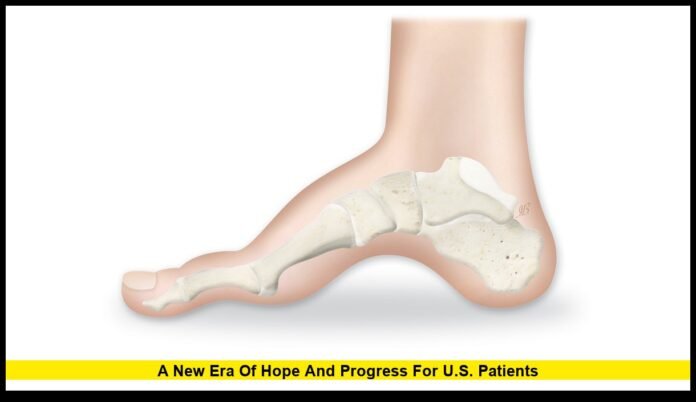
- High arches or flat feet
- Difficulty lifting the front part of the foot (foot drop)
- Balance issues and frequent tripping
- Muscle cramps or pain in the legs
- Numbness or tingling in the hands and feet
- Weakness in the hands, making it hard to grasp objects
In advanced stages, CMT may cause visible muscle loss in the lower legs and hands. Despite these challenges, most people with CMT live normal life spans and learn to adapt to their physical changes.
Why CMT Is Getting More Attention in 2025
For many years, Charcot Marie Tooth disease received limited attention compared to other neurological conditions. That is now changing.
Several major developments are happening this year that are transforming how CMT is studied, diagnosed, and treated:
- New gene therapy research is showing promising results.
- Drug trials are underway to slow nerve damage.
- Wearable technology is improving patient monitoring.
- Genetic testing is becoming more affordable and accurate.
These advances are giving patients not just better management options — but genuine hope for long-term solutions.
1. Gene Therapy: The Most Promising Breakthrough
Gene therapy is leading the way in Charcot Marie Tooth disease research. Because CMT is caused by genetic mutations, scientists are now focusing on repairing or replacing the faulty genes that cause the disorder.
Using harmless viral carriers, researchers are successfully delivering healthy copies of defective genes into nerve cells. This approach has already shown positive results in laboratory and animal models — restoring some nerve function and slowing muscle weakness.
Experts believe that within the next decade, gene therapy could become one of the first true treatments for certain types of CMT.
2. New Medications in Clinical Trials
Another exciting development involves experimental drugs that aim to slow or stop the progression of nerve damage.
These drugs target the underlying cellular problems caused by CMT, such as inflammation, protein buildup, or poor energy production in nerve cells.
Early studies have shown that some of these medications may improve muscle function and reduce fatigue. While no drugs are FDA-approved yet, several are currently in mid- and late-stage clinical trials in the United States.
If successful, these therapies could mark a major milestone — transforming CMT from a lifelong degenerative disease into a condition that can be managed effectively.
3. Better Diagnostic Tools and Genetic Testing
Accurate diagnosis has always been a challenge for people with Charcot Marie Tooth disease. Many patients spend years trying to find answers, as symptoms can resemble other neurological disorders.
Today, that’s changing. Genetic testing has advanced dramatically, allowing doctors to identify specific mutations that cause CMT. This not only confirms the diagnosis but also helps guide personalized care.
With modern genetic panels, doctors can test for over 100 types of CMT using a simple blood or saliva sample. These tests are faster, more reliable, and increasingly covered by insurance.
This precision helps families understand the risk of passing the condition to future generations and allows them to participate in the right clinical trials for their CMT type.
4. Wearable Devices and Smart Monitoring
Technology is also playing a major role in improving care. New wearable sensors and mobile apps are helping patients track their daily mobility, strength, and balance.
These devices send data directly to doctors, allowing them to monitor progress remotely and adjust treatment plans more effectively. They also help researchers collect valuable real-world information about how the disease affects daily life.
For patients, wearable monitoring means fewer hospital visits and more confidence in managing their condition at home.
Living with Charcot Marie Tooth Disease
While researchers work toward a cure, managing symptoms remains the top priority for people living with CMT. With proper care, therapy, and support, most patients can maintain active, independent lifestyles.
Common management strategies include:
- Physical therapy: Builds strength, improves balance, and helps prevent muscle stiffness.
- Occupational therapy: Teaches practical strategies for daily activities like dressing, writing, or cooking.
- Orthopedic support: Custom braces, shoes, or splints help improve stability and prevent falls.
- Surgery (in severe cases): Corrects foot deformities or joint problems caused by muscle imbalance.
- Pain management: Medications, massage, and low-impact exercise can help control nerve pain.
- Healthy lifestyle: Maintaining a balanced diet, regular movement, and avoiding alcohol or smoking can protect nerve health.
Living with CMT can be challenging, but ongoing support from healthcare professionals, therapists, and advocacy groups makes a big difference.
Mental and Emotional Wellness
CMT doesn’t only affect the body — it also impacts mental health. Coping with a chronic condition can lead to stress, anxiety, or depression.
That’s why mental health care is now recognized as a key part of managing CMT. Support groups, therapy, and community outreach programs are helping patients and families navigate the emotional side of the disease.
Staying connected with others who share similar experiences has proven to boost morale and improve overall well-being.
Raising Awareness Across the U.S.
Advocacy groups and medical organizations in the United States are working hard to increase awareness of Charcot Marie Tooth disease. They organize walks, fundraising events, and education campaigns that encourage early testing and support ongoing research.
Their goals include:
- Funding new clinical trials and therapy development
- Making genetic testing more accessible nationwide
- Ensuring CMT patients are included in federal disability programs
- Encouraging medical schools to teach more about rare neurological disorders
Increased public awareness means faster diagnoses, more treatment options, and better quality of life for patients and families.
Looking Toward the Future
The future for people with Charcot Marie Tooth disease looks promising. With gene therapy on the horizon, new drugs in clinical trials, and improved support systems, the medical world is moving closer to real, disease-modifying treatments.
Researchers believe that over the next decade, many forms of CMT could become manageable conditions rather than progressive disabilities. Early diagnosis and personalized treatment will play a crucial role in this transformation.
The progress being made in 2025 is not just scientific — it’s personal. It represents hope for every family affected by this condition and proof that perseverance and innovation can change lives.
Final Thoughts
Charcot Marie Tooth disease has long been seen as a lifelong challenge without many options. But 2025 is changing that story. With groundbreaking advances in gene therapy, improved diagnostics, and a strong community of advocates, CMT patients in the U.S. finally have reason to hope for a better tomorrow.
If you or someone you love is affected by CMT, staying informed and involved is key. Connect with your healthcare provider, learn about available trials, and join the community of people pushing for progress every day.
The road ahead may still be long, but science is moving faster than ever — and hope for those living with Charcot Marie Tooth disease has never been stronger.