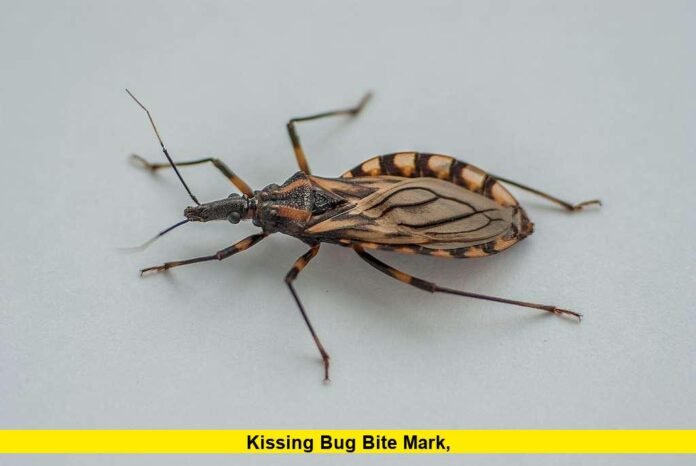

A kissing bug bite mark may look like nothing more than a small bump or rash, but experts are warning Americans to pay closer attention. The spread of kissing bugs, also known as triatomine bugs, has expanded across much of the southern United States and beyond, increasing the risk of Chagas disease, a potentially serious illness linked to these insects.
The Current Situation in the U.S.
Once thought to be limited to Latin America, kissing bugs are now found in over half of the United States. States with the highest presence include Texas, Arizona, New Mexico, and parts of California, though confirmed sightings stretch as far north as Illinois and Delaware. Health officials confirm that locally acquired cases of Chagas disease have been detected, which means the infection is no longer only imported through international travel.
Researchers estimate that hundreds of thousands of Americans may already carry the parasite responsible for Chagas disease, many of them without knowing it. With cases now recognized across 30 or more states, the presence of this insect is no longer considered rare.
Identifying a Kissing Bug Bite Mark
For most people, the first sign of exposure is the kissing bug bite mark. Unlike a mosquito or flea bite, which often causes immediate itching, a kissing bug bite usually goes unnoticed when it happens. The insects typically feed at night, often near the mouth or eyes, leaving small, painless marks.
Reactions vary widely:
- Some people may not notice any visible mark at all.
- Others experience redness, swelling, or itchy welts.
- Severe allergic reactions, including anaphylaxis, have been reported in certain cases.
- One notable sign of early Chagas infection is swelling of the eyelid, known as Romana’s sign.
Because the bite itself is painless, the most serious risk comes from contamination with the bug’s feces, which can carry the parasite Trypanosoma cruzi. When a person scratches the bite mark, the parasite can enter the body.
Why It Matters: The Risk of Chagas Disease
Chagas disease develops in two stages. In the acute stage, symptoms may include fever, fatigue, rash, or swelling at the bite site. Some individuals also develop digestive or heart-related problems. Many, however, show no symptoms at all during this phase.
The chronic stage is more dangerous. Years or even decades after infection, people may experience serious complications such as:
- Irregular heartbeat
- Enlarged heart and heart failure
- Stroke or sudden death
- Digestive system damage, including an enlarged esophagus or colon
Health officials estimate that up to one-third of infected people eventually develop life-threatening complications if left untreated.
Diagnosis and Treatment
Early diagnosis makes the biggest difference. Blood tests can confirm infection, and antiparasitic medications such as benznidazole or nifurtimox are effective when used during the acute phase. Unfortunately, once the disease advances into its chronic stage, treatment focuses mainly on managing complications rather than eliminating the infection.
Doctors urge anyone who notices unusual symptoms after a possible kissing bug encounter—or who sees a suspicious bite mark combined with fever or swelling—to seek medical care immediately.
Prevention Steps for Households
The best way to avoid a kissing bug bite is through prevention. Public health experts recommend:
- Sealing cracks and gaps in walls, roofs, and around windows or doors.
- Installing tight-fitting window screens and keeping doors closed.
- Keeping outdoor lighting to a minimum, since it attracts insects.
- Removing wood, brush, or rock piles near homes where bugs may hide.
- Keeping pets indoors at night, as dogs are frequent targets for kissing bugs.
If a bug is found indoors, it should be carefully collected using gloves or a container, not crushed by hand, and reported to local health authorities for identification.
Why Awareness Is Crucial
The kissing bug has become more than just a regional pest. Its bite mark may be small, but the disease it can transmit has lasting consequences. Public health researchers now believe the U.S. should strengthen surveillance and medical training to better detect and treat Chagas disease. Increased awareness among families, pet owners, and healthcare providers is seen as a critical step in slowing the spread.
Final Thoughts
A kissing bug bite mark may not always signal danger, but it is a reminder of the growing presence of this insect across the country. Staying informed, protecting your home, and seeking medical care when in doubt are the best defenses against an illness that can remain hidden for years. Have you ever spotted a bug or noticed an unusual bite? Sharing your experience can help raise awareness for others.