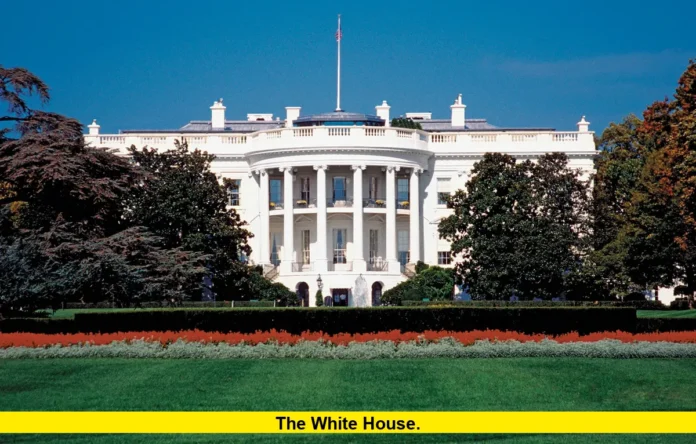

In the latest wave of international tension, the White House is once again facing scrutiny for how it handles the controversial actions of President Trump’s envoys. Over the past week, diplomats and special representatives linked to Trump’s administration have created significant disputes with key allies. Despite mounting criticism, the administration has shown little inclination to intervene or apologize, sparking debate about the state of U.S. foreign policy.
Envoys at the Center of Diplomatic Disputes
Three recent incidents illustrate how Washington’s representatives abroad have been testing the patience of allies:
- In Denmark, officials expressed outrage after reports of Trump-connected individuals attempting to influence Greenland policy. Copenhagen demanded explanations, but Washington largely brushed aside the concerns.
- France’s leadership reacted strongly after U.S. Ambassador Charles Kushner sent a bluntly worded letter criticizing the country’s approach to combating antisemitism. Rather than calming tensions, the ambassador avoided direct dialogue, leaving French leaders to deal with lower-level officials.
- In Turkey, envoy Tom Barrack apologized after remarks in Lebanon where he described journalists as “animalistic.” His words were met with anger, forcing damage control.
Despite these repeated embarrassments, the White House has signaled confidence in its diplomatic team, avoiding public reprimand and projecting an “America First” attitude.
European Allies Pressured by U.S. Responses to War
Beyond envoy missteps, Europe’s frustration has intensified over Washington’s muted reaction to Russia’s latest assault on Kyiv. The attack killed nearly twenty civilians and triggered widespread condemnation across Europe. Leaders demanded stronger U.S. backing, but the administration stopped short of announcing sanctions or additional aid, instead placing blame on both Moscow and Kyiv. This restrained response widened the gulf between Washington and European allies, who see the United States as retreating from its traditional leadership role.
Peace Efforts Falter Amid Missteps
The Trump administration’s attempt to push forward peace negotiations in the Middle East has also hit setbacks. Special envoy Steve Witkoff has drawn criticism for mismanaging delicate talks, with observers noting a reliance on personality-driven tactics rather than professional diplomacy. His misinterpretations of foreign leaders’ remarks have only deepened skepticism about the effectiveness of Washington’s current diplomatic strategy.
Foreign Aid Cuts Spark Alarm
Compounding these tensions, the administration announced plans to slash nearly $5 billion in foreign aid without Congressional approval. Using a little-known budget maneuver, the cuts would reduce State Department and USAID funding, alarming humanitarian groups and lawmakers alike. Analysts warn that such moves risk destabilizing fragile regions, creating power vacuums that adversaries could exploit.
Trade Tensions with India
A fresh layer of strain has emerged in the Indo-Pacific. The United States imposed steep tariffs on Indian imports, some as high as fifty percent, in response to New Delhi’s continued purchase of Russian oil. The decision is seen by many as a blow to the strategic partnership between the two countries. Analysts fear the tariffs could push India to strengthen ties with other major powers at the expense of U.S. influence in the region.
Patterns of Strain in U.S. Diplomacy
Looking across these developments, a clear pattern emerges: envoys and diplomats are stirring unrest, while the White House shows little willingness to publicly correct course. This approach has several implications:
- Eroding Trust: Long-standing allies question whether Washington still values cooperation.
- Mixed Messaging: Envoy behavior often contradicts official U.S. positions, leaving partners uncertain.
- Strategic Risks: Aid cuts, muted war responses, and tariff battles weaken the U.S. global position.
At Home and Abroad: Reactions Mount
Domestically, critics argue that the administration’s strategy prioritizes loyalty and personal connections over professional diplomacy. Abroad, the consequences are being felt most clearly in Europe, where officials are increasingly voicing frustration at what they see as American disengagement.
Some analysts suggest the strategy is deliberate—a calculated attempt to shift U.S. foreign policy away from multilateralism toward narrower, transactional goals. Others see it as a sign of disorganization at the highest levels of power.
Summary of Key Flashpoints
- Denmark, France, and Turkey angered by U.S. envoys’ conduct.
- Muted response to Russian attack on Kyiv deepens European unease.
- Middle East peace efforts stumble under envoy missteps.
- $4.9 billion in foreign aid cuts raise global stability concerns.
- Tariff dispute with India threatens strategic partnership.
The Road Ahead for U.S. Diplomacy
As the controversies pile up, pressure is building on Washington to recalibrate. Allies want reassurance that their partnerships remain valuable. Lawmakers at home are questioning the legality of unilateral foreign aid cuts. Meanwhile, trade experts warn that tariff fights with India could weaken regional alliances at a time when unity is vital.
Still, the administration remains confident in its direction. For now, the White House is signaling that it will stay the course, prioritizing assertive, sometimes abrasive diplomacy over the more traditional consensus-driven approach.
Closing Thought
The coming weeks will determine whether this strategy strengthens U.S. leverage—or leaves the country isolated on the world stage. For now, global eyes remain fixed on Washington, waiting to see if a shift is coming. What’s your take on the White House’s handling of these challenges? Share your thoughts below.