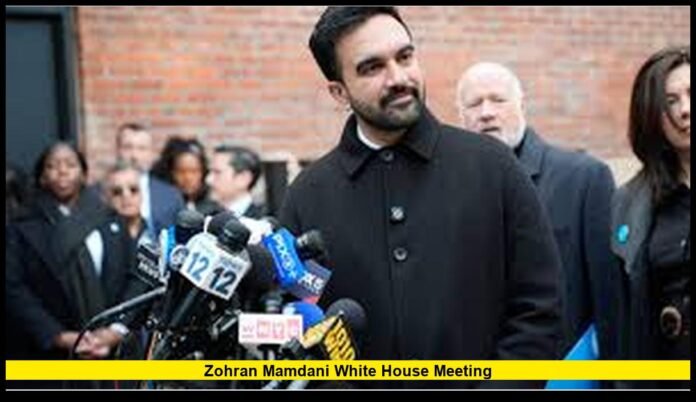

The zohran mamdani white house meeting arrives at a pivotal moment for New York City, bringing Mayor-elect Zohran Mamdani and President Donald Trump together for their first formal discussion since the mayoral election. With the meeting set for Friday, November 21, 2025, the event has captured national attention due to the political divide between the two leaders and the enormous impact federal-city relations have on millions of residents. This is more than a procedural visit—it’s a defining early test for the incoming administration and a significant indication of how New York’s next chapter may unfold.
A New Mayor Steps Onto the National Stage
Zohran Mamdani enters the White House as a rising figure in American politics. His election signaled a shift in New York City’s political direction, driven by voters who prioritized affordability, fair housing, and broader support for working families. As the first major meeting of his transition, today’s visit sets the tone for how he intends to navigate relationships far beyond City Hall.
He has made it clear that the city’s needs will shape his approach. New Yorkers continue to grapple with high rent burdens, rising living costs, and growing pressure on public services. Mamdani has spoken often about the urgency behind these challenges, pointing to the need for federal partnership to move forward major programs tied to housing, infrastructure, and public safety. His request for a direct meeting with the president reflects an early commitment to addressing these issues head-on.
For Mamdani, stepping into the Oval Office offers an opportunity to advocate for millions of residents. It also places him under the national spotlight, giving Americans a first look at how he plans to balance pragmatic leadership with a progressive policy vision.
A Meeting Defined by Sharp Contrasts
This conversation carries unusual weight because the two leaders have sharply different political identities. During the campaign, they frequently criticized each other. Mamdani maintained his focus on tenant protections and affordability measures, while Trump expressed deep concerns about the direction he believed New York could take under new leadership.
Layers of political tension surround the meeting, but despite the friction, both leaders understand the necessity of communication. New York City relies heavily on federal programs across multiple sectors, including transportation systems, emergency services, and housing support. Regardless of who leads the city or the federal government, these ties must remain functional.
The meeting reflects the intersection of ideology and responsibility. Even with differing worldviews, both sides recognize that millions of New Yorkers depend on a steady federal partnership. As a result, the upcoming discussion has attracted attention not only from local residents but from observers across the country.
What the Mayor-Elect Plans to Address
The zohran mamdani white house meeting centers on several policy areas that form the backbone of the mayor-elect’s transition agenda. These issues are not symbolic—they directly impact daily life for residents across all five boroughs.
1. The Affordability Crisis
New York City’s cost of living continues to climb. Rent remains at record highs, pushing many households to the edge of instability. Mamdani plans to highlight the need for expanded federal support for rental assistance, housing construction, and community development projects.
He has spoken often about the strain families face due to stagnant wages and rising expenses. Federal programs such as housing grants and urban development resources can play a central role in easing those pressures. Ensuring that these programs remain accessible and well-funded is one of the mayor-elect’s top priorities.
2. Public Safety and Community Stability
Although New York’s overall crime trends have fluctuated in recent years, the city still faces challenges that require coordinated responses. Mamdani aims to emphasize strategies that address both immediate safety concerns and long-term community needs.
This includes strengthening emergency response systems, expanding mental health services, and improving coordination on federal efforts related to public safety. He wants to ensure that federal-city cooperation remains consistent throughout his administration.
3. Economic Recovery and Support for Working Families
New York’s economy drives a significant portion of national financial activity. For the city to thrive, its workforce and small business community must receive adequate support.
Mamdani plans to outline a need for federal backing in several areas:
- Workforce development
- Small business recovery programs
- Transit improvements that boost economic access
- Relief measures for low-income households
He believes that a strong working relationship with Washington can accelerate ongoing recovery efforts and help stabilize neighborhoods most affected by economic challenges.
4. Infrastructure Needs Across the City
Infrastructure remains a critical concern for New York. Whether it’s subway modernization, climate resilience projects, or essential maintenance on bridges and highways, the city often relies on federal grants to move these efforts forward.
The meeting provides a chance to emphasize the urgency behind these needs and to secure clarity on future support.
The President’s Perspective Going Into the Meeting
President Trump enters this discussion with his own set of national priorities, many of which intersect with issues faced by major cities like New York. His administration continues to prioritize public safety funding, stricter immigration enforcement, and federal oversight tied to grant distribution.
Although he and Mamdani differ in political philosophy, the president has expressed willingness to meet with the incoming mayor. Maintaining dialogue with the nation’s largest city benefits the federal government as well, especially when coordinating emergency responses, economic initiatives, and infrastructure planning.
The conversation may touch on:
- Funding allocations and grant conditions
- Immigration-related coordination
- Urban economic strategies
- Infrastructure priorities
- Expectations around public safety programs
Each topic represents an area where collaboration could ease tension—or where disagreement could widen existing divides.
A Crucial Moment in Federal-City Dynamics
The meeting does more than introduce the new mayor-elect to the president. It functions as a test of how both leaders can navigate shared responsibilities despite ideological differences. New York City’s future success depends on maintaining federal partnerships, and the federal government benefits from ensuring the city remains economically stable and operationally sound.
For New Yorkers, the stakes are high. Federal programs support essential services, from transit operations to public health initiatives. Any disruption in these relationships could affect millions of people.
For national audiences, the meeting highlights broader questions:
- How will progressive city leadership interact with a conservative federal administration?
- What does cooperation look like when political views differ sharply?
- Can federal-city relations remain functional even during disagreements?
Such questions extend beyond New York and reflect challenges seen in many large U.S. cities.
What Happens After the Meeting Will Shape the Narrative
The aftermath of the meeting may offer even more insight than the discussion itself. Observers will watch for any public statements that outline agreements or highlight friction. The content and tone of these remarks will help shape public expectations for the months ahead.
Key things to monitor include:
- Whether the mayor-elect signals progress on funding or policy areas
- How the administration frames the discussion
- Reaction from local officials, advocacy groups, and community leaders
- Whether future meetings or working groups are announced
- Any immediate shifts in policy priorities or planning
These follow-up elements will help determine whether the conversation laid a foundation for constructive collaboration or drew new divisions to the surface.
A Meeting With Long-Term Implications
The zohran mamdani white house meeting may last only a short period, but its influence will extend into the early months of the mayor-elect’s tenure. Every major city initiative—from housing expansion to transit modernization—depends on streamlined federal cooperation. Mamdani’s ability to secure strong communication channels will directly affect how quickly and effectively his administration can move forward.
For the president, the meeting offers an opportunity to shape federal involvement in one of the country’s most important economic hubs. The way both sides approach this moment will influence national discussions on urban policy, affordability, and government partnership.
This meeting serves as an early indicator of how Mamdani balances advocacy with diplomacy. It also sets expectations for how he may navigate complex political landscapes once he officially steps into office.
New York City is entering a period of significant transition, and today’s meeting lays the groundwork for what comes next. As both leaders approach their first formal conversation, residents and observers alike will be watching to understand the direction the city may take over the coming years.
Share your thoughts below and tell us how you think this meeting will shape New York City’s future.