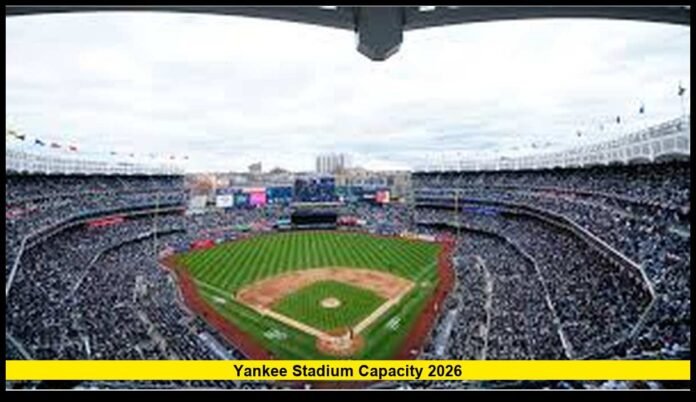

Yankee Stadium capacity remains firmly set at 46,537 for baseball games in 2026, with no changes announced to the official seating figure as of March 24, 2026. The Bronx venue continues to operate with this established number for New York Yankees home games while maintaining flexibility for larger crowds during concerts and special events.
Since opening in 2009, the current Yankee Stadium has delivered a modern fan experience while preserving the legacy of one of baseball’s most iconic locations. Its capacity reflects a balance between high attendance and premium comfort, setting it apart from older stadium designs that focused primarily on volume.
Official Capacity for Yankees Games
The official seating capacity for Yankee Stadium during Major League Baseball games is 46,537. This number includes all standard seating, premium areas, and accessible seating locations.
Every seat is part of a carefully planned layout that ensures visibility and comfort. The stadium avoids overcrowding by prioritizing space, especially in premium sections.
This capacity figure has remained unchanged since the stadium opened, showing long-term consistency in design and operations.
How Seating Contributes to Total Capacity
Yankee Stadium divides its seating into several tiers. Each level plays a role in reaching the full capacity.
Seating Levels Overview
- Field Level
- Main Level
- Terrace Level
- Grandstand Level
- Bleacher Sections
- Suites and Club Areas
Each level varies in size, pricing, and amenities, but all contribute to the total attendance limit.
Detailed Look at Capacity Distribution
While the stadium does not publicly break down exact seat counts per section, the distribution follows a general structure.
Lower Bowl (Field Level and Main Level)
These sections hold a significant portion of the total capacity. They include premium seats and high-demand areas near the field.
Upper Levels (Terrace and Grandstand)
These tiers contain a large number of seats at more affordable prices. They help increase overall capacity while keeping tickets accessible.
Outfield Bleachers
Bleacher sections add thousands of seats and create a distinct fan environment.
Luxury Suites and Clubs
Premium areas reduce the total number of seats compared to older stadiums but increase comfort and exclusivity.
Why the Capacity Is 46,537
The number 46,537 reflects modern stadium design priorities. Instead of maximizing seat count, designers focused on:
- Wider seats and more legroom
- Improved sightlines from all angles
- Expanded concourses for easier movement
- Premium hospitality areas
Older stadiums often packed in more seats. The current design trades higher capacity for a better overall experience.
Comparison to the Original Yankee Stadium
The original Yankee Stadium, which opened in 1923, held more fans at its peak.
- Early capacity exceeded 58,000
- Later renovations reduced that number
- The current stadium seats fewer but offers more comfort
This shift reflects changes in fan expectations. Modern visitors expect better amenities, not just a seat.
Concert Capacity and Event Adjustments
Yankee Stadium is not limited to baseball. It hosts concerts, soccer matches, and other major events.
For concerts, capacity often increases beyond the baseball limit.
How Capacity Changes for Concerts
- Seats are added on the field
- Stage placement affects available sections
- Some seats may be blocked depending on setup
Concert attendance can exceed 50,000 people, depending on configuration.
This flexibility allows the venue to host some of the largest entertainment events in the country.
Standing Room and Overflow Attendance
In some cases, actual attendance may slightly exceed the official seating capacity.
This happens through:
- Standing-room-only tickets
- Media and staff access
- Special event arrangements
For high-demand games, especially rivalry matchups, the stadium can feel even more crowded than the official number suggests.
Impact of Premium Seating on Capacity
Luxury seating plays a major role in shaping Yankee Stadium capacity.
Premium areas include:
- Legends Suite
- Delta SKY360° Suite
- Audi Club
- Private suites
These spaces offer fewer seats but significantly more room per guest.
As a result, total capacity is lower than it would be in a traditional high-density stadium.
This design increases revenue per ticket while improving comfort.
Accessibility and Inclusive Design
Yankee Stadium includes accessible seating across all levels. These seats are part of the total capacity.
Accessibility features include:
- Wheelchair-accessible locations
- Companion seating
- Elevators and ramps
The stadium ensures that fans with mobility needs can enjoy the same experience as other attendees.
How Capacity Affects Ticket Demand
Capacity plays a direct role in ticket availability and pricing.
When demand is high, the limited number of seats leads to:
- Faster sellouts
- Higher resale prices
- Increased competition for premium sections
Games against top rivals often reach near-capacity attendance.
Weekend games and promotional events also draw large crowds.
Attendance Patterns Throughout the Season
Yankee Stadium consistently attracts strong attendance numbers.
Common trends include:
- Opening Day reaching full capacity
- Summer games drawing larger crowds
- Weekend matchups selling more tickets than weekdays
The stadium’s size allows it to host large audiences while maintaining organization and flow.
Postseason Capacity and Atmosphere
During playoff games, Yankee Stadium operates at full capacity.
Every seat is typically filled, creating an intense environment.
Postseason attendance highlights include:
- Maximum crowd volume
- Increased ticket demand
- Elevated energy throughout the stadium
A full-capacity playoff game is one of the most memorable experiences for fans.
Other Events That Use Stadium Capacity
Yankee Stadium hosts more than baseball.
Events include:
- International soccer matches
- College football games
- Large concerts
Each event type uses a different seating arrangement. Some increase capacity, while others reduce it based on stage or field setup.
Key Facts About Yankee Stadium Capacity
| Feature | Details |
|---|---|
| Official Capacity | 46,537 (baseball games) |
| Opening Year | 2009 |
| Location | Bronx, New York |
| Max Event Attendance | 50,000+ (concerts) |
| Seating Structure | Multi-level design |
These figures remain accurate as of March 2026.
Why Capacity Matters for the Fan Experience
Capacity influences more than just attendance numbers. It shapes the entire experience.
It affects:
- Crowd noise and atmosphere
- Wait times for concessions
- Ease of movement داخل the stadium
- Ticket availability
A near-capacity crowd creates a more energetic environment, especially during important games.
How Yankee Stadium Compares Across MLB
Yankee Stadium ranks among the larger stadiums in Major League Baseball.
Some parks hold more fans, while others are smaller and more intimate.
Yankee Stadium stands out for combining:
- High capacity
- Premium seating options
- Historic significance
This balance keeps it among the most visited venues in the league.
Looking Ahead in 2026
There are no announced plans to increase or decrease Yankee Stadium capacity.
The current design continues to meet modern standards for safety, comfort, and fan engagement.
The stadium remains a central destination for sports and entertainment in New York City.
Final Thoughts
Understanding how capacity works helps fans plan better. It provides insight into ticket availability, pricing, and crowd size.
Whether attending a regular-season game or a major event, knowing what to expect makes the experience smoother and more enjoyable.
The consistency of Yankee Stadium capacity ensures that fans know exactly what kind of environment they will encounter each time they visit.
Have you ever been part of a packed crowd at Yankee Stadium, or are you planning your first visit soon? Share your experience and stay connected for more updates.