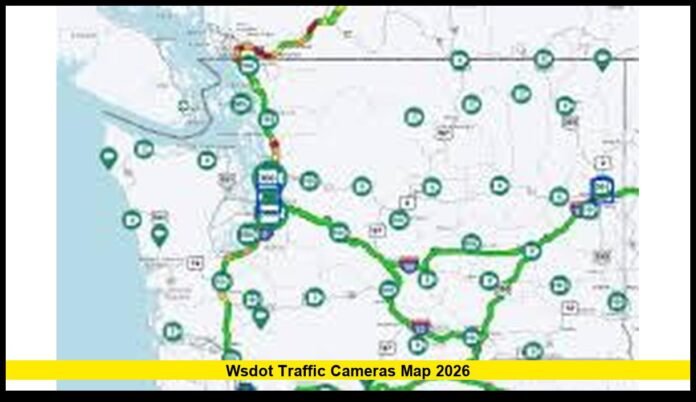

The wsdot traffic cameras map has become one of the most useful tools for drivers in Washington State, offering real-time views of highways, interstates, and mountain passes so travelers can check conditions before hitting the road. With hundreds of cameras positioned along major transportation corridors, the system provides quick visual updates that help commuters avoid congestion, monitor weather conditions, and prepare for changing road situations.
Washington’s transportation network stretches from dense urban centers to remote mountain highways. Weather changes quickly, traffic patterns shift throughout the day, and accidents can slow travel without warning. Because of this, many drivers turn to the state’s camera system as part of their routine travel planning.
The interactive camera network allows anyone to see the current state of major roadways across the state within seconds. For commuters, commercial drivers, and weekend travelers, the ability to see what is happening on the road in real time can make a major difference in both safety and travel time.
How Washington’s Highway Camera System Works
Washington State operates a large network of roadside cameras installed along key transportation routes. These cameras capture still images of traffic conditions and refresh regularly, providing near-real-time updates of the roadway.
The camera network connects to an online map that displays each camera location. When users click on a camera icon, the most recent image from that location appears on the screen.
Drivers can quickly check several points along a route to understand traffic flow before starting their trip. This simple design makes the system accessible for both experienced commuters and occasional travelers.
The camera system forms part of a broader intelligent transportation network designed to improve mobility and safety across Washington’s highways.
Key functions include:
- Monitoring traffic congestion
- Observing weather impacts on roadways
- Identifying collisions or stalled vehicles
- Supporting rapid response to incidents
- Helping drivers plan routes before departure
Transportation engineers and traffic management teams monitor the same cameras to track conditions across the state.
Where Traffic Cameras Are Located Across Washington
Hundreds of cameras cover critical highways and travel corridors throughout Washington. Placement focuses on areas where traffic volume is high or conditions change frequently.
Major Interstate Highways
Interstate routes carry large volumes of daily commuter and freight traffic. Cameras positioned along these highways allow drivers to monitor conditions across long distances.
Important interstate coverage includes:
- Interstate 5 running north–south through Seattle, Tacoma, and other cities
- Interstate 90 connecting Seattle with eastern Washington
- Interstate 405 serving the east side of the Seattle metropolitan area
- Interstate 82 connecting central Washington highways
Drivers traveling between cities often check multiple camera views to identify traffic slowdowns or incidents.
Urban Traffic Corridors
Urban areas with heavy commuter traffic have dense camera coverage.
Cities with frequent monitoring include:
- Seattle
- Bellevue
- Tacoma
- Everett
- Spokane
These areas experience peak congestion during morning and evening rush hours. Camera views allow commuters to see whether traffic is moving smoothly or backing up.
Mountain Pass Routes
Washington’s mountainous geography makes road conditions unpredictable during colder months.
Cameras located in high-elevation areas allow travelers to monitor snow and ice conditions before driving through mountain passes.
Important mountain pass monitoring points include:
- Snoqualmie Pass on Interstate 90
- Stevens Pass along U.S. Route 2
- White Pass on U.S. Route 12
- Blewett Pass on U.S. Route 97
These cameras often show weather changes before drivers reach the mountains, helping them decide whether to delay travel or prepare their vehicles.
Why Drivers Check Highway Cameras Before Traveling
For many Washington residents, checking traffic cameras has become a daily habit.
Instead of relying only on traffic reports, drivers prefer to see actual road conditions themselves. Images provide immediate confirmation of what is happening on the roadway.
Morning Commute Planning
Morning traffic in urban areas can change rapidly. A collision or stalled vehicle can slow traffic for miles.
Before leaving home, commuters often review cameras along their route. This allows them to adjust departure times or choose alternate roads.
Confirming Road Conditions
Weather conditions in Washington vary widely depending on location. Rain, fog, snow, or icy pavement can appear quickly.
Drivers checking camera views can confirm whether roads are wet, clear, or covered with snow.
Planning Long-Distance Trips
Traveling between western and eastern Washington often requires crossing mountain passes. Before starting a trip, drivers can check several cameras along the route to confirm conditions.
This helps travelers determine whether chain requirements or heavy snowfall might affect the journey.
Avoiding Construction Delays
Road work occurs frequently on major highways. Cameras allow drivers to see whether construction zones are slowing traffic.
Visual information helps travelers make smarter route decisions.
How Traffic Management Centers Use the Cameras
While the public uses highway cameras for travel planning, transportation professionals rely on them for daily traffic management.
Traffic operations centers monitor cameras across the state throughout the day. These facilities coordinate responses to incidents and manage traffic flow on busy highways.
When operators notice a problem on the roadway, they can quickly take action.
Common responses include:
- Dispatching incident response teams
- Coordinating with emergency services
- Updating digital highway message boards
- Adjusting ramp meters to control traffic flow
Rapid response helps reduce congestion and lowers the risk of secondary crashes caused by sudden traffic slowdowns.
Winter Travel and the Importance of Visual Road Monitoring
Winter weather creates some of the most difficult driving conditions in Washington.
Snowstorms frequently impact mountain highways, while freezing temperatures can create icy pavement. Visibility can drop quickly during heavy snowfall.
Drivers heading toward mountain passes often check several cameras along their route to see the current situation.
Camera images can reveal:
- snow accumulation on the roadway
- visibility levels
- traffic flow through the pass
- whether lanes remain open
Seeing these conditions beforehand allows drivers to prepare their vehicles with chains or postpone travel until conditions improve.
Freight companies and commercial truck drivers also rely heavily on camera images when planning deliveries across mountain routes.
Mobile Access Makes the System Easy to Use
Smartphones have made traffic cameras even more convenient for travelers.
The camera map works on mobile browsers, allowing drivers to check road conditions from anywhere with internet access.
Mobile users can quickly zoom into specific regions, view nearby camera icons, and swipe between multiple camera images along a route.
This flexibility allows travelers to monitor roads before leaving work, before starting a road trip, or while planning weekend travel.
Drivers should always check road conditions before driving or when safely stopped, rather than viewing cameras while operating a vehicle.
Safety Benefits of Public Traffic Cameras
Public access to traffic camera images provides several safety advantages for drivers.
Seeing current road conditions helps motorists anticipate hazards rather than encountering them unexpectedly.
Examples of situations where cameras improve awareness include:
- sudden traffic congestion
- accident scenes
- lane closures
- heavy rain or fog
- snow-covered highways
Drivers who understand what lies ahead can reduce speed, choose alternate routes, or delay travel if necessary.
Better preparation leads to safer roads for everyone.
Emergency responders also benefit from camera visibility. Traffic operators can view incidents in real time and relay information to responding crews, helping them arrive prepared for the situation.
Maintaining the Statewide Camera Network
Washington’s highway cameras operate in environments that can be harsh and unpredictable.
Equipment must withstand:
- heavy rainfall
- winter snowstorms
- high winds
- temperature fluctuations
Maintenance crews inspect camera equipment regularly to keep the system functioning properly.
If a camera becomes blocked by weather or stops working, technicians respond to restore service as quickly as possible.
Keeping the camera network operational ensures drivers continue receiving reliable updates about highway conditions.
Technology Improving Everyday Travel
Transportation agencies across the United States increasingly rely on digital tools to manage road networks. Real-time information has become essential for modern traffic management.
The wsdot traffic cameras map represents a key example of how technology improves the driving experience for millions of people.
By providing instant visual updates from across Washington’s highways, the system helps drivers stay informed, avoid unexpected delays, and travel more safely.
For commuters navigating busy city roads or travelers crossing mountain passes, the ability to check live road conditions offers peace of mind before starting any journey.
Have you checked highway cameras before a trip across Washington? Share your experience in the comments and keep following for the latest transportation updates.