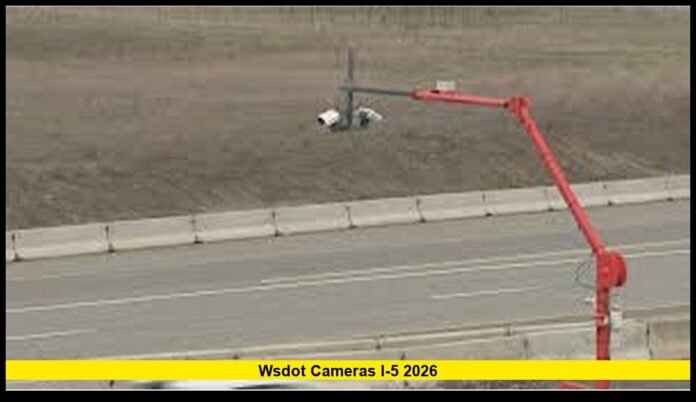

WSDOT cameras I-5 play a critical role in helping Washington drivers monitor traffic conditions along one of the busiest highways on the West Coast. The Washington State Department of Transportation operates a widespread network of traffic cameras across Interstate 5, offering real-time views of congestion, road incidents, construction zones, and changing weather conditions. As of 2026, these cameras remain a central tool for commuters, freight operators, and long-distance travelers who depend on accurate, up-to-the-minute highway information.
Interstate 5 stretches through the entire state of Washington, linking communities from the Canadian border near Blaine to the Oregon border at Vancouver. The highway passes directly through the state’s most populated regions, including Bellingham, Everett, Seattle, Tacoma, Olympia, and several rapidly growing suburban areas. Because traffic demand continues to increase across the Puget Sound corridor, real-time monitoring through the state’s traffic camera network has become essential for managing travel conditions and keeping drivers informed.
Interstate 5: Washington’s Most Important Highway Corridor
Interstate 5 serves as the primary north–south transportation route throughout Washington. It carries daily commuter traffic, long-distance passenger vehicles, commercial trucks, and cross-border travel between the United States and Canada.
Several key characteristics make I-5 one of the most closely monitored highways in the state:
- It runs approximately 276 miles across Washington.
- The route connects major metropolitan areas and economic centers.
- The corridor supports regional freight movement along the West Coast.
- Some sections experience extremely heavy traffic during peak hours.
Urban sections of I-5 in the Seattle metropolitan area rank among the busiest roadway segments in the Pacific Northwest. Traffic congestion frequently builds during weekday commuting hours and during holiday travel periods. Transportation officials rely on camera monitoring to quickly identify problems and respond to developing situations along the highway.
How the Statewide Camera Network Works
The Washington State Department of Transportation manages a large network of roadside cameras installed along major highways and interchanges. Many of these cameras focus specifically on Interstate 5 because of its importance to statewide mobility.
Each camera is mounted on poles, sign structures, or nearby infrastructure that allows it to capture a clear view of traffic lanes and surrounding roadway conditions. The cameras take frequent images that update automatically through the state’s transportation information systems.
The system operates continuously throughout the day and night. Traffic management centers monitor the feeds and use them to assess real-time traffic flow.
Key functions of the camera system include:
- Monitoring vehicle congestion
- Identifying accidents or stalled vehicles
- Observing weather impacts on roadways
- Tracking lane closures during roadwork
- Providing travelers with live traffic images
Drivers can access many of these camera views through the state’s traveler information tools before beginning a trip.
Major Areas Where Cameras Monitor I-5
Traffic cameras appear at strategic points along Interstate 5 to ensure coverage of the most heavily traveled areas.
Northern Washington and Border Areas
In the northern part of the state, cameras monitor travel near the Canadian border. This region often experiences high volumes of international traffic and commercial trucking.
Important monitoring locations include:
- Blaine and border crossings
- Bellingham city approaches
- Interchanges connecting to State Route 539 and State Route 542
These locations help transportation officials observe traffic flow near border checkpoints and surrounding highways.
Everett and Snohomish County
South of Bellingham, Interstate 5 passes through the fast-growing communities of Skagit and Snohomish counties. Everett serves as a major employment center, and thousands of commuters travel daily between Everett and Seattle.
Cameras monitor several critical junctions, including:
- I-5 connections to State Route 526
- Interchanges serving Everett’s industrial areas
- Key commuter routes entering Snohomish County
Traffic backups often occur during morning and evening rush hours. Camera coverage helps drivers assess congestion before entering the corridor.
Seattle Metropolitan Corridor
The Seattle segment of Interstate 5 is widely recognized as one of the busiest urban freeway sections in Washington. The highway moves directly through the city’s central core and connects multiple regional routes.
Traffic cameras are positioned near:
- Northgate and northern Seattle neighborhoods
- The Ship Canal Bridge
- Downtown Seattle freeway lanes
- Major connections with Interstate 90 and State Route 520
These locations frequently experience heavy congestion during weekday commute periods. Camera views allow drivers to evaluate traffic conditions through the heart of the city before starting their trips.
Tacoma and Pierce County
Further south, Interstate 5 curves through Tacoma and the surrounding communities in Pierce County. This section includes complex interchanges and several well-known congestion points.
Camera coverage helps monitor traffic near:
- The Tacoma Dome interchange
- Connections with State Route 16
- Areas surrounding Joint Base Lewis–McChord
- Busy commuter zones between Tacoma and Lakewood
Military activity, regional commuting, and freight movement all contribute to heavy traffic levels in this corridor.
Olympia and the South Sound Region
Olympia, Washington’s state capital, sits along Interstate 5 near the southern end of the Puget Sound region. Government activity and regional commuting create steady traffic demand throughout the area.
Cameras observe conditions around:
- The US-101 interchange
- Downtown Olympia access points
- Nearby suburban communities
These camera feeds help transportation officials track congestion and quickly identify disruptions affecting state government travel routes.
Southwest Washington and the Oregon Border
The final section of I-5 in Washington runs through Clark County and the city of Vancouver. This area connects directly to Portland, Oregon, creating one of the most heavily traveled interstate crossings in the region.
Cameras monitor traffic approaching:
- The I-205 interchange
- Columbia River bridge approaches
- Major exits serving Vancouver
Cross-state commuting between Washington and Oregon makes this section especially busy during peak travel hours.
Why Real-Time Traffic Cameras Matter for Drivers
Modern transportation networks rely heavily on real-time information. Traffic cameras offer drivers a direct view of conditions before they encounter delays.
Instead of relying solely on traffic reports or estimates, drivers can visually confirm what is happening on the roadway.
Key benefits include:
- Immediate awareness of traffic slowdowns
- Clear views of weather conditions affecting the road
- Visual confirmation of accidents or lane closures
- Better planning of alternate routes
For commuters who travel the same route daily, checking cameras can help determine whether traffic patterns have changed unexpectedly.
Weather Monitoring Along Interstate 5
Weather conditions in western Washington often shift quickly. Rainstorms, fog, and occasional winter snowfall can reduce visibility and create hazardous driving conditions.
Traffic cameras provide valuable insight during these weather events. Drivers can quickly see if pavement is wet, if fog is affecting visibility, or if snow is accumulating in colder areas.
Winter storms sometimes impact travel near Tacoma, Olympia, and areas north of Seattle. Camera images during these events help drivers decide whether to delay travel or choose safer routes.
Supporting Emergency Response and Incident Management
Transportation agencies use the camera network for more than traveler information. It also plays a critical role in emergency response.
When an accident occurs on Interstate 5, operators in traffic management centers can immediately view nearby cameras to understand the situation.
This allows officials to:
- Determine the number of lanes affected
- Identify vehicle congestion behind the incident
- Coordinate with law enforcement and emergency crews
- Deploy incident response teams more quickly
Faster response times can reduce the length of traffic disruptions and improve safety for drivers and first responders.
Helping Manage Construction and Highway Improvements
Interstate 5 regularly undergoes maintenance and improvement projects designed to enhance safety and traffic flow. Construction work may involve lane closures, barrier installation, or roadway repairs.
Traffic cameras help transportation officials monitor these work zones while also allowing drivers to see conditions before approaching them.
During major construction projects, drivers often use the wsdot cameras i-5 network to observe how lane restrictions or detours are affecting traffic in real time.
Seeing these conditions visually can help drivers choose alternate routes or adjust travel times.
Technology Behind Modern Traffic Monitoring
Traffic camera systems have evolved significantly in recent years. Improvements in digital imaging and network connectivity allow transportation agencies to deliver faster updates and clearer visuals.
Modern highway monitoring systems typically include:
- High-resolution imaging equipment
- Remote camera control for viewing different angles
- Integration with traffic management software
- Automated detection systems for congestion and incidents
These technologies help transportation agencies monitor highway networks more efficiently while providing better information to the public.
Daily Commuting in the Puget Sound Region
Population growth across western Washington continues to increase demand on Interstate 5. Thousands of drivers travel between suburban communities and urban employment centers every day.
Cities such as Everett, Seattle, Tacoma, and Olympia rely heavily on the I-5 corridor for daily commuting.
Traffic cameras help drivers manage this routine travel by providing real-time information about:
- Rush hour congestion
- unexpected incidents
- weather disruptions
- construction-related delays
By checking conditions before leaving home or work, commuters can often avoid the worst traffic periods.
A Critical Tool for Safer and Smarter Travel
The statewide traffic camera system has become an essential part of Washington’s transportation infrastructure. By delivering real-time images of highway conditions, the system improves situational awareness for both drivers and transportation officials.
Interstate 5 remains the most heavily traveled corridor in the state, making continuous monitoring especially important. Cameras positioned along the route help identify problems quickly and provide valuable information for millions of travelers each year.
For commuters, commercial drivers, and long-distance travelers alike, access to accurate visual traffic information helps make travel across Washington safer and more predictable.
Have you checked traffic conditions using Washington’s highway cameras before starting a trip? Share your experience or keep following for the latest updates on Interstate 5 travel.