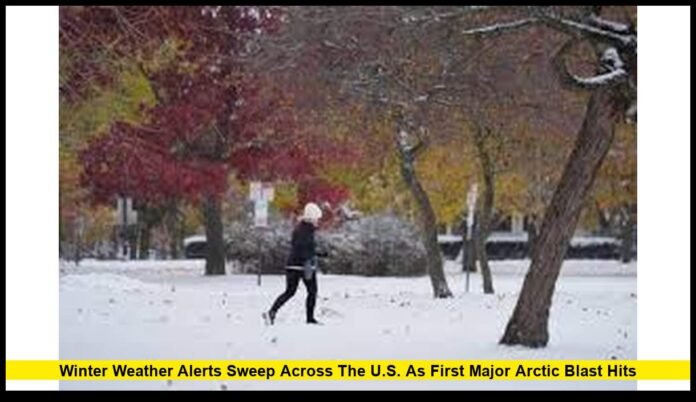

Winter weather alerts are in effect across large portions of the United States as a powerful Arctic front moves south, bringing snow, ice, and dangerously cold temperatures to millions of residents. This marks the first significant cold wave of the 2025–2026 season, signaling an early start to what forecasters predict will be an active winter.
The National Weather Service has issued warnings, advisories, and watches spanning more than a dozen states. From the Northern Plains to the East Coast, temperatures have plunged well below normal, with snow totals climbing in several regions and wind chills expected to reach dangerous levels by early week.
The Current Situation Across the Country
A surge of Arctic air pushed into the continental U.S. over the weekend, triggering widespread impacts across multiple regions. The strong cold front, combined with moisture streaming off the Great Lakes and Pacific systems moving inland, has created a complex mix of snow, ice, and wind hazards.
By Sunday afternoon, more than 25 million people were under active warnings. Major cities including Minneapolis, Detroit, Cleveland, Buffalo, and Boston were dealing with the season’s first significant winter event.
Midwest Braces for Heavy Snow
The Midwest has been one of the hardest-hit areas, with snow totals already exceeding 10 inches in parts of Minnesota and Wisconsin. Chicago experienced its first measurable snowfall of the season Saturday night, with slippery roads and reduced visibility creating travel problems across northern Illinois.
Wind gusts up to 40 mph have compounded conditions, causing blowing and drifting snow that’s made some rural roads impassable. The Illinois State Police reported dozens of minor accidents along I-90 and I-55, and transportation officials are urging drivers to limit travel until plows clear major routes.
Great Lakes Region Sees Lake-Effect Bursts
Downwind of the Great Lakes, heavy bands of lake-effect snow continue to pile up. Western New York, northern Michigan, and northwestern Pennsylvania are under prolonged warnings as cold air flows over relatively warm lake waters.
Buffalo, Rochester, and Erie have seen near-blizzard conditions at times, with forecasts suggesting up to 18 inches of accumulation by Monday morning. The NWS has also cautioned that snow squalls could cause sudden whiteouts, making travel extremely hazardous.
Northeast Faces Ice and Mixed Precipitation
Farther east, states including Pennsylvania, Vermont, and Maine are experiencing a mix of snow and freezing rain. Ice accumulation is becoming a growing concern, particularly in the higher elevations of New England. Power crews have been on standby throughout the weekend, as even a quarter inch of ice can bring down tree limbs and power lines.
Major airports in Boston and New York have already reported moderate delays as crews work to de-ice aircraft and maintain runways.
Cold Air Extends into the South
Though southern states are not facing snow, cold air has reached as far as Tennessee, Georgia, and the Carolinas. Overnight lows are expected to dip into the 20s, leading to frost advisories in agricultural areas.
Forecasters warn that this early-season chill could damage crops and strain heating systems in regions not yet acclimated to winter temperatures.
Types of Alerts in Effect
The National Weather Service issues several categories of alerts depending on severity and local conditions. As of November 23, 2025, the following remain active across multiple states:
- Winter Storm Warning: Issued for heavy snow, strong winds, or a combination likely to make travel extremely difficult.
- Winter Weather Advisory: For lighter snow or freezing rain that can still create hazardous conditions on untreated surfaces.
- Wind Chill Warning: Active in parts of North Dakota, Minnesota, and Montana, where wind chills are forecast to drop below -25°F.
- Ice Storm Warning: In effect for upstate New York, New Hampshire, and Vermont, with up to 0.3 inches of ice possible.
- Blizzard Warning: Limited to the Upper Peninsula of Michigan and portions of northern Wisconsin, where sustained winds and heavy snow reduce visibility to near zero.
Residents in affected areas are advised to stay updated through local emergency channels, as additional warnings may be issued if conditions worsen overnight.
Travel Disruptions and Flight Impacts
The ongoing storm has led to widespread transportation delays. Airlines have canceled or rescheduled hundreds of flights across major hubs, including Chicago O’Hare, Minneapolis–St. Paul, and Boston Logan.
Amtrak has adjusted schedules in the Midwest and Northeast, while several state highway agencies have temporarily restricted commercial vehicle movement during peak snowfall.
Snow removal teams are working around the clock to clear roads, but blowing snow and icy conditions are slowing progress. Officials continue to urge drivers to avoid unnecessary travel and prepare emergency kits with food, blankets, flashlights, and chargers if travel cannot be postponed.
Utility Outages and Power Concerns
Ice and strong winds have caused localized power outages across parts of the Great Lakes and New England. Utility companies in Michigan, New York, and Maine have reported more than 100,000 outages combined as of Sunday evening, though crews are steadily restoring service.
Officials recommend that residents use caution when heating homes. Carbon monoxide incidents tend to rise during cold spells, often due to improper use of generators or space heaters. Residents are urged to keep heaters ventilated and avoid using stoves or ovens for warmth.
Temperature Outlook for the Coming Week
Meteorologists expect the Arctic air mass to persist through much of Thanksgiving week, bringing the coldest conditions so far this season.
- Midwest: Temperatures will remain 15–25 degrees below average, with highs in the teens and 20s.
- Northeast: Snow will taper midweek, but daytime highs will stay in the 20s and 30s, with gusty winds continuing.
- Plains: Clearer skies will bring overnight lows near zero, with light snow possible by midweek.
- Southeast: Morning frost will spread as far south as northern Florida, with highs struggling to reach 50°F in some regions.
- West: A new Pacific storm is expected to bring snow to the Cascades and northern Rockies by Thursday.
While a slight warming trend may begin next weekend, long-range forecasts indicate another cold wave could follow in early December.
Impact on Thanksgiving Travel Plans
With the holiday just days away, millions of Americans are expected to hit the roads and airports, creating potential challenges for travel. Meteorologists advise those traveling early in the week to anticipate delays and check for real-time updates from transportation officials.
Airlines have begun offering flexible rebooking options for passengers flying through storm-affected cities. Ground travelers are being advised to plan alternate routes and allow extra time, especially in areas under active snow or ice warnings.
The storm could also affect Thanksgiving supply logistics, including food deliveries and grocery restocking. Some regional distribution routes in the Midwest have reported brief interruptions, though most major retailers expect minimal long-term impact.
How to Stay Safe During Severe Winter Weather
Authorities are reminding residents to take precautions during periods of extreme cold and snow. Preparation remains key to minimizing risk.
Key safety reminders include:
- Limit outdoor activity, especially for children and pets.
- Dress in layers, covering exposed skin to prevent frostbite.
- Keep an emergency supply kit at home with nonperishable food, water, and flashlights.
- If using a vehicle, keep the gas tank at least half full to prevent fuel line freeze.
- Monitor local alerts for updates on road closures and changing conditions.
Emergency management officials have also urged communities to check on vulnerable neighbors — particularly seniors or individuals without adequate heating — to ensure they remain safe through the cold spell.
Economic and Environmental Effects
Early winter storms can have both economic and environmental consequences. The current weather pattern has already disrupted some freight and agriculture operations, particularly in the Midwest.
Farmers are racing to protect livestock and stored crops from freezing temperatures. Energy demand has spiked across northern states, prompting grid operators to issue conservation notices.
On a positive note, early snowpack formation in the Rockies could benefit regional water supplies later in 2026. However, meteorologists caution that consistent cold periods will be needed for sustained snow accumulation.
Looking Ahead: What the Rest of the Season Could Bring
The early onset of severe winter weather suggests that the upcoming months could be colder and snowier than average for many regions. Long-term forecasts point toward a strong Arctic influence, driven by La Niña–like patterns in the Pacific.
If current trends continue, the northern U.S. can expect frequent cold snaps and multiple snow systems through January. The southern states may see fewer storms but could experience abrupt temperature swings and occasional icy mornings.
Meteorologists emphasize that early winter storms often set the stage for an active season. With snow already blanketing much of the northern half of the country, communities are urged to stay prepared for what could be a long winter ahead.
The nation’s first major Arctic blast is a reminder that winter has arrived early and with full force. Stay cautious, stay prepared, and share how your community is handling the cold in the comments below.
Meta Description: