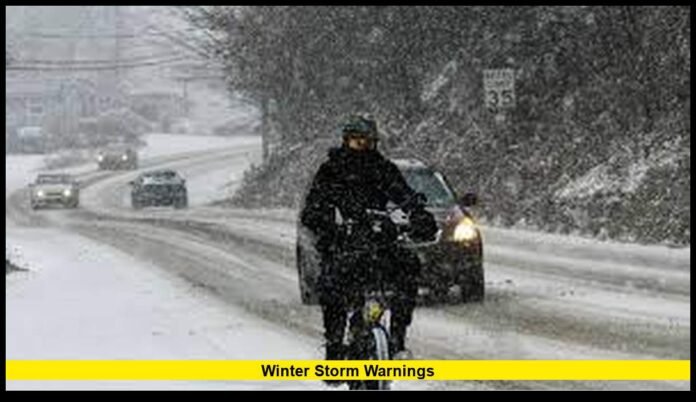

Winter storm warnings are gripping large sections of the United States as powerful weather systems sweep across the country, delivering heavy snow, strong winds, freezing temperatures, and fast-changing conditions that challenge travelers, residents, and local agencies. These winter storm warnings highlight an active stretch of winter weather that is expected to continue influencing daily life from the Rockies to the Mid-Atlantic.
Across multiple regions, snow is falling at varying intensities, winds are strengthening, and temperatures are dropping into ranges that make driving hazardous and increase the risk of power disruptions. Mountain passes, rural highways, and suburban corridors are all seeing different impacts, and forecasters expect this pattern to persist into the coming days.
A Dynamic Weather Pattern Building Across the Country
A wide-reaching combination of moisture, cold air, and energetic storm dynamics is pushing through the western, central, and eastern United States. While smaller, fast-moving disturbances are affecting the Mid-Atlantic and Northeast, the western half of the country is dealing with stronger storm systems capable of producing sustained heavy snow and reduced visibility.
The U.S. winter pattern currently features:
- Multiple storm tracks interacting with cold continental air
- Moisture-rich systems coming off the Pacific
- Falling temperatures across interior regions
- Wind patterns strong enough to worsen blowing snow
This combination is producing widespread travel concerns, from slick roads to full whiteouts in higher elevations.
Rockies and Intermountain West: Substantial Snowfall and Difficult Travel
The Rockies continue to face some of the most intense snowfall totals in the nation. Mountain ranges in Wyoming, Montana, Idaho, Utah, and Colorado are seeing powerful bursts of snow, often accompanied by gusty winds that dramatically reduce visibility.
Wyoming’s Mountain Ranges
Wyoming’s higher terrain is experiencing some of the strongest impacts:
- Teton and Gros Ventre Mountains
- Salt River Range
- Wyoming Range
Snowfall across these regions ranges widely by elevation, but many mountaintops are expected to accumulate 1 to 3 feet of snow. Lower slopes and foothill communities may pick up 12 to 20 inches, enough to cause long-lasting disruptions and hazardous road conditions.
Wind gusts stretching into the 40–50 mph range create blowing snow and intermittent whiteouts. Backcountry travelers face added risk because of the increased potential for unstable snow layers that can trigger avalanches.
Travel in the Intermountain West
Road conditions across the Intermountain West frequently deteriorate within minutes whenever a heavier snow band passes through. Drivers may encounter:
- Icy highway surfaces
- Sudden drops in visibility
- Drifting snow across rural roads
- Slow-moving plows struggling to keep up
Mountain corridors often experience the worst conditions, and motorists are advised to avoid unnecessary trips during active snowfall periods.
Colorado: Icy Roads, Mountain Snow, and Commuter Concerns
Colorado continues to see persistent snowfall across its mountain regions, and the cold temperatures following each system help preserve icy conditions on untreated roads. This includes popular travel routes for skiers and weekend visitors.
Mountain Zones
Higher-elevation regions are expected to receive:
- Frequent bursts of heavy snow
- Periods of strong winds
- Temporary whiteout conditions
Colorado’s ski corridors, including well-traveled routes to Summit County, Vail, and Steamboat Springs, often see long delays when plows and traffic backups converge.
Front Range Impacts
The Front Range area, including cities like Denver and Boulder, experiences lighter snow totals but still deals with slick early-morning commutes. Freezing temperatures overnight can turn melted snow into black ice, creating hazardous spots on bridges and elevated roadways.
Pacific Northwest: Atmospheric Rivers and Multi-Day Weather Challenges
The Pacific Northwest is facing a series of storms delivering heavy precipitation as multiple moisture streams flow inland. These systems bring a mix of rain and mountain snow, shaping a complex forecast for several days.
Heavy Rain and Mountain Snow
Coastal and lowland communities see steady rainfall, while the Cascades are loading up with substantial snowfall. The prolonged pattern increases concerns related to:
- Slippery highway conditions
- Flooding in urban areas with poor drainage
- Landslide risks on saturated slopes
For mountain travelers, snow accumulation can become deep enough to block trails, slow plow operations, and make travel unpredictable.
Travel Through Northwest Passes
Passes such as Snoqualmie, Stevens, White Pass, and other major highway routes are expected to see considerable snowfall, especially overnight. Chains, traction devices, or all-wheel-drive vehicles may be required as conditions evolve.
Northern Plains: Wind-Driven Snow and Reduced Visibility
Parts of the northern Plains experience frequent winter storms that move quickly but deliver powerful bursts of snowfall. These systems are known for producing:
- Short-lived but intense snow bands
- Ground blizzards caused by blowing snow
- Hazardous rural travel due to open landscapes
Even modest snowfall can create major issues when paired with strong winds across flat plains. Visibility can fall sharply, creating dangerous situations for long-distance drivers and commercial freight carriers.
Mid-Atlantic and Northeast: Light to Moderate Snow with Timing Concerns
A separate system affecting the East Coast brings light to moderate snow focused mainly on parts of the Mid-Atlantic and Northeast. Snow totals are not as high as those in the western mountains, but the timing has a significant effect.
Washington, D.C., Maryland, and Virginia
Light snow around the nation’s capital creates concerns due to the morning commute period. Drivers across southern Maryland and northern Virginia prepare for:
- Slick roads
- Reduced braking distance
- Slower highway traffic
Even a coating to an inch is enough to cause problems in regions where freezing temperatures quickly turn wet surfaces into icy patches.
Philadelphia and Surrounding Areas
Light snow extends into the Philadelphia region, where early precipitation can create slippery conditions on bridges and overpasses. Localized pockets of slightly higher totals may lead to minor disruptions in suburban neighborhoods.
Texas Panhandle and Southern Plains: Snow in Less Frequent Snow Zones
Farther south, parts of the Texas Panhandle and nearby regions of the southern Plains are receiving several inches of snow in isolated pockets. These areas do not frequently experience heavy winter weather, so even moderate totals can cause major disruptions.
Impacts include:
- Slower travel on major highways
- Delays for freight and commercial routes
- Road closures in rural communities
- Difficult conditions during early-morning hours
Drivers in these regions are encouraged to monitor conditions closely due to the variable nature of snowfall bands.
Understanding Winter Weather Alerts
Winter alerts can be confusing, but knowing the difference helps residents prepare effectively.
Winter Storm Warning
Issued when:
- Heavy snow or sleet is expected
- Winds may significantly worsen visibility
- Travel is likely to become dangerous or impossible
Residents should prepare for possible power disruptions, slower emergency response times, and extended road clearing operations.
Winter Weather Advisory
Issued for:
- Lighter snowfall
- Freezing drizzle
- Mixed precipitation
Roads may still become hazardous, especially during rush hours or overnight.
Safety Measures for Households and Travelers
Staying prepared can reduce risks during periods of active winter weather.
For Drivers
- Delay travel if possible during heavy snow.
- Use winter tires or chains in mountainous areas.
- Keep an emergency kit with warm clothing, water, non-perishable snacks, flashlights, and jump starters.
- Avoid sudden braking, especially when roads are icy.
For Homeowners
- Prevent frozen pipes by insulating exposed plumbing.
- Keep walkways clear of snow and ice to avoid slips.
- Be prepared for brief power disruptions in heavily impacted regions.
- Ensure heating systems and smoke detectors are functioning properly.
For Outdoor Recreation
Skiers, backcountry hikers, and snowboarders should check local mountain conditions and avalanche updates. Steep slopes become more dangerous whenever strong winds and deep snowfall accumulate rapidly.
What to Expect in the Days Ahead
Although weather systems vary in strength and speed, many regions across the country can expect waves of continued winter conditions. The western U.S. may see additional mountain snowfall as Pacific systems continue to move inland. The central and eastern regions may encounter quick-moving disturbances producing periodic light snowfall, especially during early morning hours.
Residents across affected regions should monitor local weather updates frequently, particularly during commutes or travel periods. With winter storm warnings active in several key areas, preparedness remains the most important tool for staying safe.