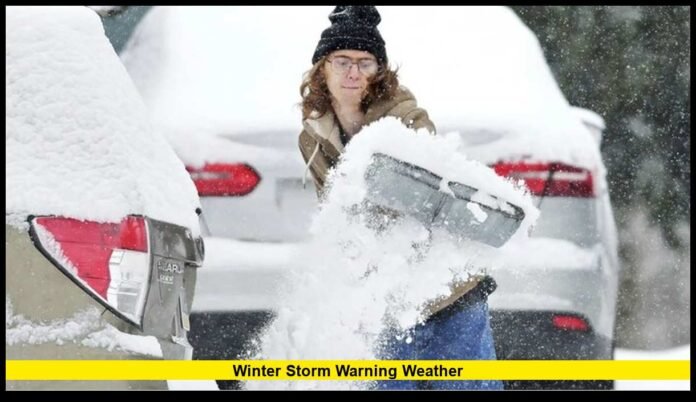

Winter storm warning weather alerts signal that dangerous snow, sleet, or ice is either occurring or expected soon, requiring immediate action from residents in affected areas. As of February 19, 2026, winter remains active across many parts of the United States, and the National Weather Service continues issuing cold-season alerts when conditions meet warning criteria.
These warnings are not routine notifications. They indicate serious travel hazards, potential power outages, and threats to public safety. Understanding what they mean and how to respond can make a significant difference during severe winter events.
Here is a comprehensive look at winter storm warning weather, how the system works, and how Americans can prepare effectively.
What Is a Winter Storm Warning?
A Winter Storm Warning is an official alert issued by the National Weather Service (NWS). It means heavy snow, significant sleet, or ice accumulation is imminent or already underway in a defined geographic area.
This alert represents one of the highest levels of winter weather notification.
Common warning criteria often include:
- Heavy snowfall within a short period
- Substantial ice accumulation
- Blowing snow that reduces visibility
- Dangerous road conditions
Exact snowfall thresholds vary by region. Northern states may require higher totals due to infrastructure readiness. Southern states may issue warnings with lower amounts because even light snow can cause major disruptions.
Why Winter Storm Warning Weather Alerts Matter
Winter storms can escalate quickly. A few inches of snow combined with strong winds can create whiteout conditions. Ice accumulation can bring down trees and power lines within hours.
These warnings help residents prepare before conditions worsen.
When winter storm warning weather alerts are active, emergency managers expect:
- Travel delays or shutdowns
- School closures
- Business interruptions
- Increased accident risk
Ignoring a warning can place individuals and first responders in danger.
How the National Weather Service Decides to Issue a Warning
Meteorologists rely on detailed atmospheric data to determine when a warning is necessary. They analyze multiple forecasting models and real-time observations.
Key factors include:
- Surface temperature forecasts
- Precipitation intensity
- Wind speeds
- Ground conditions
- Storm track projections
Local forecast offices issue alerts at the county level. That targeted approach ensures warnings reflect regional impacts rather than broad state-wide estimates.
Forecasters typically issue a warning when confidence is high that severe winter conditions will meet established thresholds within 12 to 24 hours.
Difference Between Watch, Advisory, and Warning
Many Americans confuse winter alerts. Each carries a different level of urgency.
| Alert Type | Meaning | Recommended Action |
|---|---|---|
| Winter Storm Watch | Severe winter weather possible | Prepare |
| Winter Weather Advisory | Minor to moderate impacts likely | Use caution |
| Winter Storm Warning | Severe conditions imminent or ongoing | Act immediately |
A watch signals potential. An advisory suggests inconvenience. A warning demands readiness and caution.
Regions Most Frequently Affected
Winter storm warning weather alerts occur most often in:
- The Upper Midwest
- The Northeast
- The Great Lakes region
- The Northern Plains
- Rocky Mountain states
Coastal areas may experience warnings during strong nor’easters. Southern states occasionally receive warnings during rare Arctic outbreaks.
Even areas accustomed to snow can face major disruptions when storms intensify quickly.
Travel Hazards During Active Warnings
Driving during a winter storm poses serious risks. Snow reduces traction. Ice creates nearly invisible hazards. Strong winds decrease visibility.
Major concerns include:
- Multi-car highway accidents
- Jackknifed tractor-trailers
- Vehicles stranded in rural areas
- Delayed emergency response times
Transportation departments deploy plows and salt trucks, but heavy snowfall can overwhelm clearing efforts.
Officials consistently recommend avoiding non-essential travel when warnings are active.
Power Outages and Infrastructure Impact
Ice storms often cause more infrastructure damage than heavy snow. Even a small layer of ice can add significant weight to tree branches and utility lines.
Potential consequences include:
- Widespread power outages
- Downed trees blocking roads
- Communication disruptions
- Frozen water pipes
Extended outages during freezing temperatures increase the risk of hypothermia and carbon monoxide exposure.
Residents should never operate generators indoors or in attached garages.
School and Workplace Closures
Winter storm warning weather frequently leads to operational changes.
School districts may:
- Cancel in-person classes
- Shift to remote learning
- Delay opening times
Employers often adjust operations to remote work when possible. Government offices may close to reduce travel risks.
Local officials typically announce closures ahead of peak snowfall.
Airline and Public Transportation Disruptions
Air travel faces major challenges during winter storms. Snow and ice require aircraft de-icing procedures, which slow departures.
Airports in snow-prone cities often experience:
- Flight cancellations
- Delays lasting several hours
- Ground stops
- Reduced runway operations
Rail and bus systems may also suspend service if conditions deteriorate.
Travelers should monitor airline updates closely during active winter warnings.
How to Prepare Before a Winter Storm Hits
Preparation reduces stress and protects families.
Household Readiness Checklist:
- Stock bottled water and non-perishable food
- Charge phones and backup batteries
- Keep flashlights with extra batteries
- Have blankets available
- Prepare a first-aid kit
Vehicle Emergency Kit:
- Ice scraper
- Jumper cables
- Small shovel
- Blanket
- Sand or kitty litter for traction
- Portable phone charger
Taking these steps before snowfall begins ensures safety during power outages or travel emergencies.
Staying Warm During Severe Cold
Winter storm warning weather often coincides with freezing or subzero temperatures.
To stay safe indoors:
- Dress in layers
- Seal drafts around windows and doors
- Keep faucets dripping to prevent frozen pipes
- Use space heaters safely and away from flammable materials
If power fails, close off unused rooms to conserve warmth.
Health Risks During Winter Storms
Severe winter weather increases several health risks.
Common dangers include:
- Frostbite
- Hypothermia
- Carbon monoxide poisoning
- Slips and falls on icy surfaces
Symptoms of hypothermia include confusion, slurred speech, and extreme shivering. Immediate warming is critical in such cases.
Checking on elderly neighbors and vulnerable individuals remains essential during active warnings.
Monitoring Real-Time Updates
Winter conditions can change rapidly. Residents should stay informed through:
- National Weather Service alerts
- Local emergency management notifications
- Trusted weather apps
- Broadcast weather updates
Push notifications help residents react quickly if warnings expand or intensify.
Timely information allows families to adjust plans safely.
The Broader Winter Pattern
Winter storm warning weather reflects the normal seasonal cycle in many parts of the United States. Arctic air masses interacting with moist systems from the Pacific or Gulf of Mexico often create powerful storms.
Some seasons bring frequent snow events. Others remain relatively mild. Each storm develops based on unique atmospheric conditions.
Forecast accuracy improves with modern modeling, but rapid intensification remains possible.
Community Response and Preparedness
Communities prepare year-round for winter weather. City governments stockpile road salt. Utility companies stage crews for rapid response. Emergency shelters may open during severe cold.
Residents play a key role in community resilience by heeding warnings and avoiding unnecessary travel.
Prepared households reduce strain on first responders and infrastructure.
Final Thoughts
Winter storm warning weather alerts provide critical information during dangerous snow and ice events across the United States. These warnings signal imminent hazards that require immediate preparation and caution. Understanding how they work and responding quickly can protect lives and property during the coldest months of the year.
Stay alert to official weather updates and share how your area is preparing for winter conditions below.