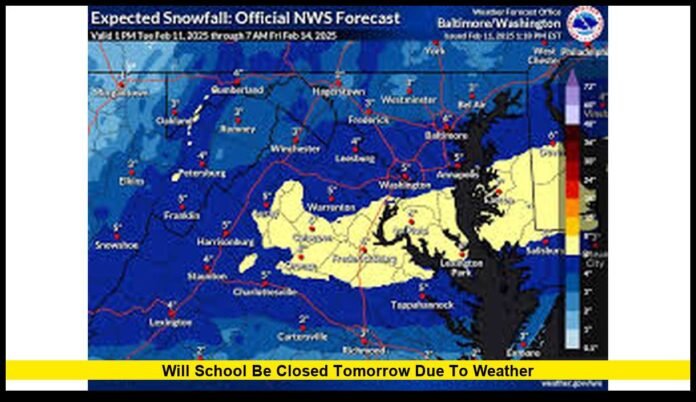

The question will school be closed tomorrow due to weather is on the minds of families across the country as winter conditions intensify in several regions. With a mix of snow, freezing rain, wind, and dangerous temperature drops affecting travel and daily routines, school districts are preparing to update parents about tomorrow’s plans. Decisions continue to vary widely, which makes it important for parents to understand how closures are determined, what signs to look for, and how to prepare for changes that may come with little warning.
Winter weather disrupts transportation more than any other factor in the school year. The combination of slick roads, limited visibility, and freezing temperatures often forces administrators to pause normal operations. As weather systems move across the country, communities are experiencing different impacts at different times. That’s why one district may close completely while another only miles away stays open.
This guide explains how districts make decisions, which areas face the biggest risks for schedule disruptions, what communication methods schools rely on, and how families can prepare for tomorrow’s potential changes.
Weather Conditions Shaping School Decisions Today
Winter storms continue to push through parts of the Northeast, Midwest, and the northern tier states, creating a mix of hazardous conditions. These include:
- Heavy snow and drifting
- Strong wind gusts
- Rapid temperature drops
- Patches of freezing rain and sleet
- Low visibility affecting early-morning traffic
In some regions, snow that fell earlier in the day remains on the ground, freezing into slick layers overnight. Roads that appear safe in the afternoon often become icy after dark, forcing districts to reassess plans early the next morning. Many states are still managing leftover snow from previous rounds of storms, making plowing operations slower than usual.
Families in affected areas can expect updates from schools either late in the evening or during the early morning hours. Districts often aim to notify parents between 5:00 a.m. and 6:00 a.m., though some closures are announced the night before when severe weather is certain.
Why School Closure Decisions Differ From District to District
School closures are always made at the local level. There is no statewide or national authority that determines whether every school in a region closes for the day. Even districts within the same county can make different decisions depending on factors like:
- Elevation differences and microclimates
- Rural versus suburban road conditions
- Bus route complexity
- Availability of staff
- Local temperature forecasts
- Ongoing power or utility issues
Rural districts often deal with longer bus routes that stretch across winding or unplowed roads. Even when towns and cities in the same county appear safe, buses traveling through shaded or less-maintained areas may face dangerous stretches of ice.
Urban districts consider crosswalks, sidewalks, pedestrian paths, and traffic flow. If ice forms overnight, morning walkers may face hazards even if major roads appear mostly clear.
Because conditions vary so much, families need to check their specific school district rather than relying on state-level trends.
Regions Most Likely to Face School Disruptions
Parents want to know which areas are more likely to announce early closures or delays. While decisions differ locally, certain regions have seen the strongest weather impacts today and remain under conditions that could affect tomorrow’s school operations.
Northeast
Parts of New England and northern states along the East Coast are experiencing heavier snowfall and strong winds. Towns in higher elevations and inland areas risk lingering ice and slow road clearing. Many districts in this region review updates late at night and again before dawn.
Mid-Atlantic
Some districts in this region face mixed precipitation, which often leads to icy roads and sidewalks. Freezing rain overnight poses one of the biggest challenges for school operations because even small amounts create dangerous conditions for buses and student walkers.
Midwest
The Midwest continues to experience low temperatures and periods of snow that leave behind slippery pavements. Rural districts across this region frequently issue late openings rather than full closures when plows need extra time.
Mountain Regions
Weather shifts quickly in states with higher elevations. Sudden temperature drops can coat roads with ice even after they were cleared earlier in the day.
These patterns do not guarantee closures for tomorrow, but families in these regions should stay alert for early-morning updates.
How School Districts Decide Whether to Close
School leaders follow a process that weighs safety above all else. Most districts rely on several steps:
- Early Weather Evaluation
Administrators monitor conditions through the day and review updated forecasts in the evening. - Road Assessments
Transportation teams inspect bus routes early in the morning. They check hills, bridges, and neighborhood streets for ice, visibility issues, and drifting snow. - Coordination With Local Agencies
Districts track updates from local public works teams handling plowing and salting. - Bus Operation Decisions
If buses cannot safely operate on all routes—including rural or less-maintained ones—districts often choose to delay or close. - Temperature and Wind Chill Considerations
Extremely low temperatures may cause risks for students waiting at bus stops. - Power or Heating Issues
If a school building is without functioning heat or electricity, the district may close even if surrounding roads are manageable.
Administrators aim to make decisions that are safe, clear, and communicated as early as possible.
When Families Should Expect Closure Announcements
Most districts release updates at one of two times:
- The night before, when weather patterns provide enough clarity to make a firm decision
- Early morning, generally between 5:00 a.m. and 6:00 a.m., after transportation teams complete route checks
However, some districts release information earlier, especially if multi-day storms have already caused widespread disruption. Others may hold off until the morning if weather is borderline and could shift overnight.
Families should check school channels before going to bed and again first thing in the morning.
How Districts Communicate School Closures
Families rely on fast and clear communication during winter storms. Most U.S. districts use multiple methods:
- Automated phone calls
- Text alerts
- Email notifications
- Website updates
- Social media posts
- Local TV reporting
Many districts also offer opt-in emergency notification services, which send instant updates when decisions are made.
Parents should ensure contact information in school databases is accurate. Old phone numbers or inactive email addresses can lead to missed updates.
What Families Should Prepare for Tonight
A few steps can help families stay ready for tomorrow’s schedule changes:
- Charge phones overnight to receive alerts.
- Lay out warm layers, boots, gloves, and jackets in case travel conditions are cold or icy.
- Prepare a quick breakfast option for mornings when announcements come close to bus time.
- Check any after-school activities that may be canceled with a delay or closure.
- Review remote-learning instructions if the district uses virtual instruction during weather disruptions.
Preparation ensures families aren’t scrambling for information during early-morning announcements.
If Your School Moves to a Delayed Start
Delayed starts are common when roads need additional time to be cleared or treated. During a delay:
- Bus pickups occur later
- Classes begin at a shifted time
- Morning programs may be canceled
- Drop-off routines may change
- Teachers adjust schedules accordingly
Parents should confirm whether after-school programs continue as normal, as some districts modify them during weather-affected days.
If Schools Announce a Full Closure
In the event of a full closure, districts may handle the day in different ways:
- Use a designated inclement-weather day
- Switch to remote learning if the district has established procedures
- Add a makeup day later in the year
Families should check teacher messages for assignments or schedule updates.
Weather Safety Tips for Students and Parents
Weather-related closures protect students, but families still need to exercise caution:
- Drive slowly on slick roads and allow extra time for travel.
- Keep an emergency kit in the car with blankets, flashlights, and snacks.
- Encourage students walking to school to use caution around icy areas.
- Dress children in layers, including hats, gloves, and insulated footwear.
Good preparation can prevent accidents and keep travel safer.
Bottom Line for U.S. Families
The question will school be closed tomorrow due to weather does not have a single answer for all communities. Winter conditions continue to change across the country, and districts are assessing developments hour by hour. Some communities already face disruptions, while others may not see impacts until early morning.
The most reliable way to know your district’s status is to check official school channels before bed and again in the early morning. Weather patterns tonight will determine the final decision, and districts will update families as soon as conditions become clear.