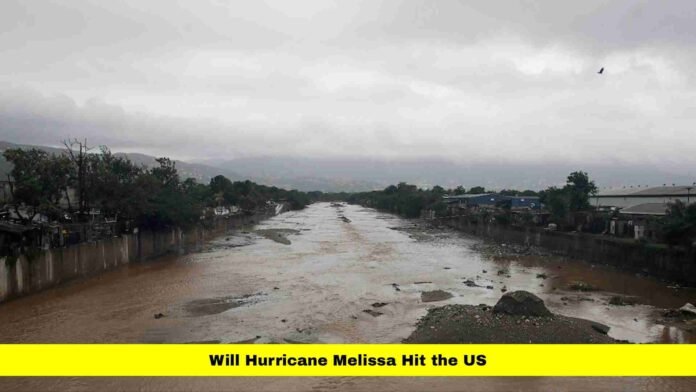

As the Atlantic hurricane season reaches its peak, Hurricane Melissa has emerged as one of the most powerful and destructive storms in recent years. The question dominating headlines and public concern is clear — will Hurricane Melissa hit the US? As of October 30, 2025, meteorologists confirm that the United States will not face a direct strike from Hurricane Melissa. However, its wide reach means the country could still experience indirect effects, including heavy rainfall, strong surf, and dangerous rip currents along parts of the East Coast.
Hurricane Melissa’s Rapid Formation and Intensification
Hurricane Melissa began as a tropical disturbance in the central Caribbean earlier this month. Over exceptionally warm ocean waters exceeding 86°F, the system quickly strengthened, developing into a tropical storm within 48 hours. Favorable atmospheric conditions, including low wind shear and abundant moisture, allowed the storm to undergo rapid intensification. In less than two days, Melissa grew into a Category 5 hurricane, with maximum sustained winds reaching 185 mph and a central pressure near 892 millibars.
This explosive development made Melissa one of the most powerful storms to ever form in the Caribbean Sea. The eye of the hurricane grew well-defined, and its symmetrical structure indicated extreme organization and strength. By the time it neared Jamaica, forecasters were warning of life-threatening winds, torrential rainfall, and catastrophic flooding.
Path of Destruction Across the Caribbean
When Hurricane Melissa made landfall near New Hope, Jamaica, it unleashed devastating winds and intense rainfall that overwhelmed the island’s infrastructure. Widespread flooding submerged homes, damaged roads, and disrupted power for millions. The Jamaican government declared a state of emergency as emergency responders battled to rescue stranded residents.
In Haiti, the storm’s outer bands caused severe flooding and mudslides, compounding the country’s existing challenges. Entire communities were isolated by landslides and washed-out bridges. Moving west, Cuba’s eastern provinces endured destructive storm surges and hurricane-force winds that flattened coastal towns and destroyed farmlands. Agricultural losses are expected to be extensive, especially for crops like sugarcane and bananas.
After crossing Cuba, Melissa weakened slightly but remained an exceptionally strong Category 3 hurricane as it approached the Bahamas, bringing powerful winds, heavy rainfall, and widespread coastal flooding.
Will Hurricane Melissa Hit the US Mainland?
The most critical question — will Hurricane Melissa hit the US? — has a reassuring answer for now. Meteorologists report that the hurricane’s core will stay far from the US mainland, tracking northeastward into the Atlantic Ocean. Current models show no indication of a direct landfall anywhere along the continental United States.
Despite this, indirect effects will still be felt along the US East Coast. The storm’s massive wind field and moisture plume are expected to interact with a frontal boundary moving through the eastern United States. This interaction may result in heavy rainfall in parts of the Mid-Atlantic and New England, along with increased surf and rip current activity along coastal areas from Florida to New Jersey.
Current Forecast and Track
As of this morning, Hurricane Melissa is moving northeast at approximately 15 mph with sustained winds near 120 mph, making it a strong Category 2 hurricane. The system’s center is positioned northeast of Cuba and east of the Bahamas. Forecasts show that it will continue to move away from the Caribbean and the United States coastline, heading toward Bermuda.
The storm is expected to weaken gradually as it moves over cooler waters. By the weekend, meteorologists anticipate that Melissa will transition into a post-tropical system in the open Atlantic. However, its vast circulation will continue to influence weather patterns across a large area, and hazardous marine conditions will persist for several days.
Why the US Is Escaping a Direct Strike
Several atmospheric factors are steering Hurricane Melissa away from the United States. A strong trough of low pressure along the eastern seaboard is guiding the hurricane northeastward into the Atlantic, preventing it from curving toward land. Additionally, increasing wind shear over the western Atlantic is weakening Melissa’s upper-level structure and disrupting its symmetry. Cooler ocean temperatures near the US coast are also reducing the storm’s energy source, making it less likely to maintain strength if it moved closer to the mainland.
Meteorologists emphasize that while tropical systems can be unpredictable, the current pattern provides a strong shield for the continental US. These steering currents ensure that the most dangerous part of the storm — its eyewall and strongest winds — remains well offshore.
Possible Effects Along the US East Coast
Even though the center of Hurricane Melissa will not make landfall, its indirect impacts could still affect parts of the East Coast. The most likely areas to experience these effects are Florida, the Carolinas, Virginia, and the Mid-Atlantic region.
Coastal Flooding and High Surf: The hurricane’s powerful wind field is pushing large ocean swells toward the US coastline. These swells will create rough surf, minor coastal flooding, and beach erosion, particularly during high tides. Coastal residents should avoid low-lying areas and follow local advisories.
Rip Currents and Marine Hazards: Melissa’s circulation is expected to produce strong rip currents across beaches from Florida to New Jersey. Swimmers and surfers are urged to stay out of the water during the next few days, as these currents can be life-threatening even when skies appear clear.
Heavy Rainfall and Gusty Winds: As Melissa’s tropical moisture merges with an approaching cold front, areas in the Mid-Atlantic and New England could see periods of heavy rainfall and wind gusts up to 40 mph. While not damaging, these conditions may cause localized flooding and travel delays.
Travel Disruptions: Air and sea transportation may face interruptions due to rough conditions offshore. Cruise ships and cargo vessels in the Atlantic have already rerouted to avoid the storm’s outer circulation.
Safety Tips for Coastal Residents
Even though a direct hit is unlikely, safety should remain the top priority for residents along the Atlantic coast. It’s important to monitor changing conditions and take preventive steps. People living near beaches or waterways should secure outdoor belongings, stay away from the surf, and prepare for potential power outages. Checking local weather alerts, stocking up on emergency supplies, and avoiding unnecessary travel during stormy conditions are simple yet effective precautions.
Those living in flood-prone areas should ensure they have sandbags or barriers in place to prevent water intrusion. Mariners and fishermen are advised to stay ashore until marine conditions improve. These steps, while precautionary, can significantly reduce risks associated with the storm’s secondary effects.
Impact and Recovery Across the Caribbean
While the United States may be spared from a direct hit, the same cannot be said for many Caribbean nations. Jamaica remains one of the hardest-hit areas, with reports of catastrophic damage to homes, power grids, and transportation networks. Recovery teams are working tirelessly to restore power and clear debris. In Cuba, coastal towns along the eastern provinces experienced widespread flooding and destruction, forcing thousands to evacuate.
The Bahamas also endured damaging winds and storm surge as Melissa passed nearby, submerging parts of Nassau and neighboring islands. Relief efforts are underway, with local and international aid organizations mobilizing to provide food, water, and shelter to displaced families.
What Makes Hurricane Melissa Unprecedented
Meteorologists have labeled Hurricane Melissa as a historically intense and fast-developing storm. Its rapid intensification and record-setting wind speeds underscore how quickly tropical systems can evolve under favorable conditions. Experts link Melissa’s behavior to warmer ocean temperatures and high atmospheric moisture, both of which have become more common in recent years.
This hurricane’s power also highlights how climate-related shifts are influencing storm formation. The combination of warmer seas and low wind shear has allowed storms like Melissa to reach dangerous intensities faster than in past decades. Scientists say that this trend is likely to continue as global temperatures rise, making preparedness more critical than ever.
The 2025 Atlantic Hurricane Season Overview
The 2025 hurricane season has already proven to be one of the most active on record. Hurricane Melissa is the seventh major hurricane this year, joining a list of powerful storms that have impacted regions from the Gulf of Mexico to the central Atlantic. Unusually warm waters, combined with favorable atmospheric patterns, have contributed to an extended and energetic season.
With hurricane season officially ending on November 30, there’s still potential for more tropical activity in the coming weeks. Forecasters are closely monitoring additional tropical waves in the central Atlantic, though none pose an immediate threat to land at this time.
What Lies Ahead for the United States
In the coming days, the US mainland can expect elevated surf, gusty winds, and intermittent rainfall, particularly along the Mid-Atlantic and Northeast coasts. However, there is no indication that Melissa will reverse course or intensify near land. The focus now shifts toward Bermuda, which is preparing for potential hurricane-force conditions as Melissa tracks nearby.
Once the storm moves farther into the North Atlantic, it will weaken significantly and eventually dissipate. For the United States, Melissa serves as both a relief and a reminder — a relief because it spared the nation from devastation, and a reminder that vigilance is essential during every hurricane season.
Conclusion
Hurricane Melissa has proven to be a historic and destructive storm, unleashing catastrophic impacts across the Caribbean while sparing the US from a direct hit. Although the mainland remains safe from landfall, coastal residents should not ignore the storm’s secondary effects, which may include dangerous surf, rip currents, and periods of heavy rain.
This storm stands as a powerful reminder of how unpredictable and wide-reaching hurricanes can be. Even when hundreds of miles offshore, their influence can ripple across entire regions. As the 2025 season continues, staying informed, cautious, and prepared will remain vital for everyone along the Atlantic coast.
Stay safe, stay aware, and share your local experiences below — every story helps others understand the true scope of nature’s power.